February 2, 2026
By Ron Fortier
Over the years I’ve often been asked what was the difference between writing comic books and writing prose fiction, i.e. short stories or novels? I’ve been writing comic scripts well over fifty years and prose for the past twenty-five. That’s long enough to have discovered those differences and gone as far as to lecture about them. From teaching classes in comic scripting to giving workshops, I slowly accumulated specific facts that I would list easily enough.
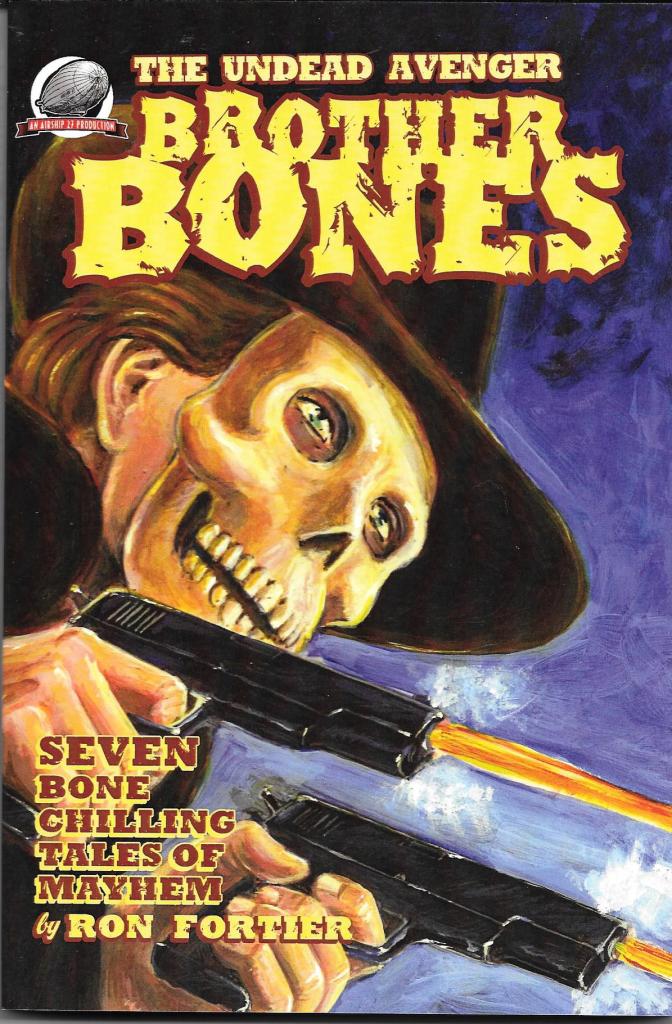
The biggest difference was always the disparity between going solo as a prose writer and becoming part of a team as a comic writer. In prose and novel writing, you’re on your own and how the story lays out depends on your ability to use words to paint descriptive landscapes. Whereas comics are first and foremost a visual media. People reading them fully expect to enjoy artwork that is smoothly integrated with the literary aspects as is evident with captions and word balloons. With prose, go ahead and use as many words as you want. There’s no set limit. Be flowery with your styling, embellish it to your heart’s content. All of that is permissible as long as you keep moving the narrative along. Pace is just something you can play with at your leisure.
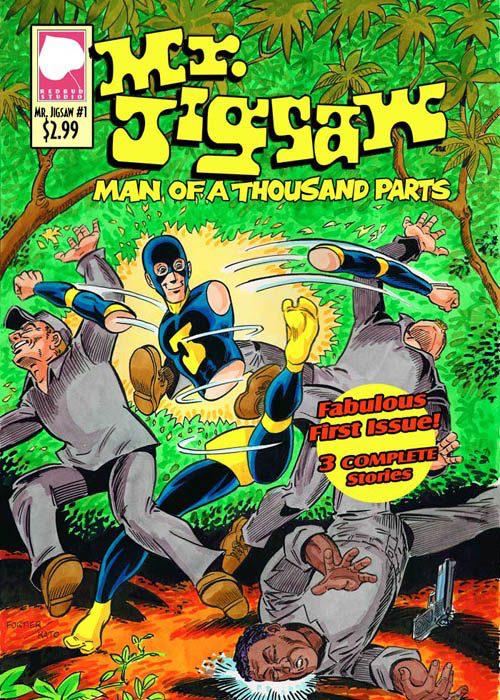
Not so in a comic script. Comics are all about pacing. Readers want to see action that moves at a good and steady pace. They do not want to get bogged down with tons of words. Remember, every single word on a comic page is taking up space that could be used to enhance the artist’s pictures. Which is more important to the readers? If you said the pictures, then you’re correct. Thus, any writer obsessed with his or her literary should be aware they are not the primary storyteller in a comic book, the artist is. The writer’s job is to set the skeleton upon which the artist will then build the body of the story. The least words used, the better the comic. That’s a tough trick for most writers to learn. In fact, I’ve known several established novelists who couldn’t do it. Note, this also applies to being able to draw sequential pictures that do move from one panel to another. The artist is very much a true storyteller in a comic book. That is a rare ability, and I’ve met lots of gifted artists who could not understand how to do it.
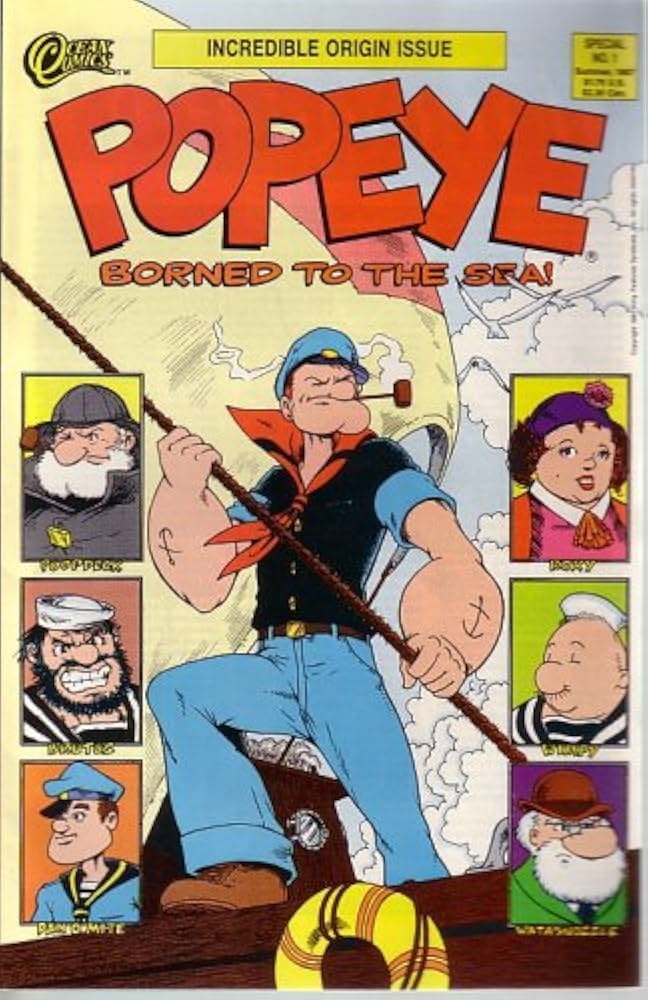
So, we have the merger of two sensibilities working towards a singular goal: to tell a good story. That’s pretty much been the heart of my thoughts and opinions on that matter. Yet, recently, another element has made itself abundantly clear to me. Time. Meaning, I can write a comic book or graphic novel much faster than I could ever write a prose tale. Looking back on my career, it’s so obvious. To date I’ve written seven full-length novels and perhaps two dozen short stories. As for my comic script tally, let’s just say that number reaches the hundreds. The reason this particular fact has demanded more of my attention is the simple truth that I’m getting older and have no clue as to how much time I have to do what I love; tell stories.
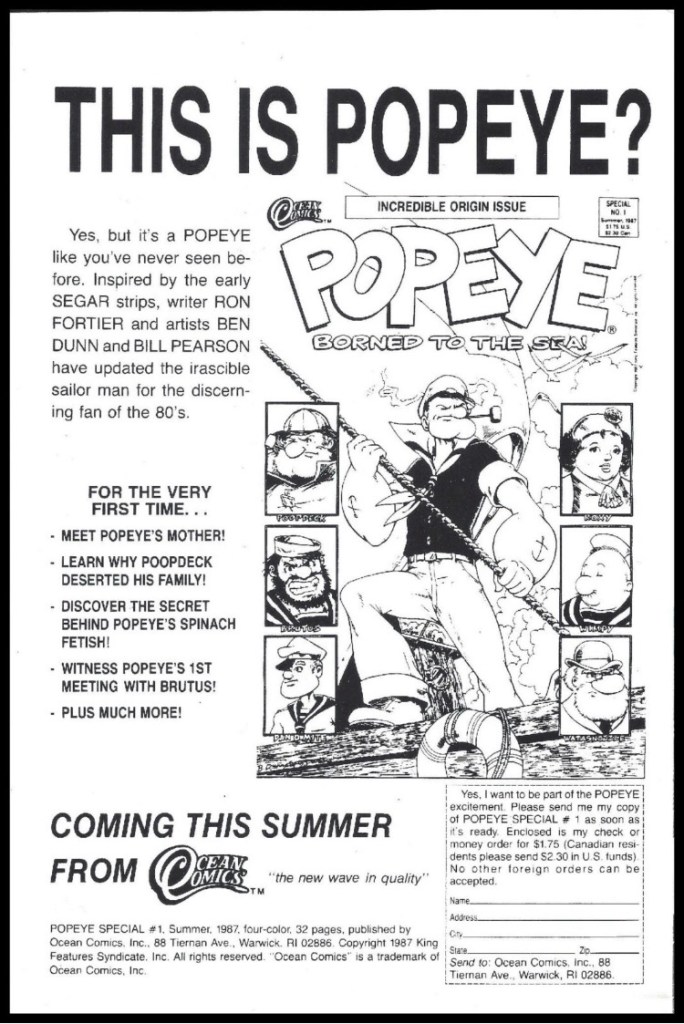
Do I want to spend those dwindling days on long, time-consuming books or do I want to sit down and crank out lots more fast-paced, beautifully illustrated comic books? I think by now you can easily deduce my answer to that query. And you’d be right. Still, I’ve loved both, and I do thank God for all of it!

Ron Fortier
Subscribe to our newsletter for updates and more!


Leave a comment