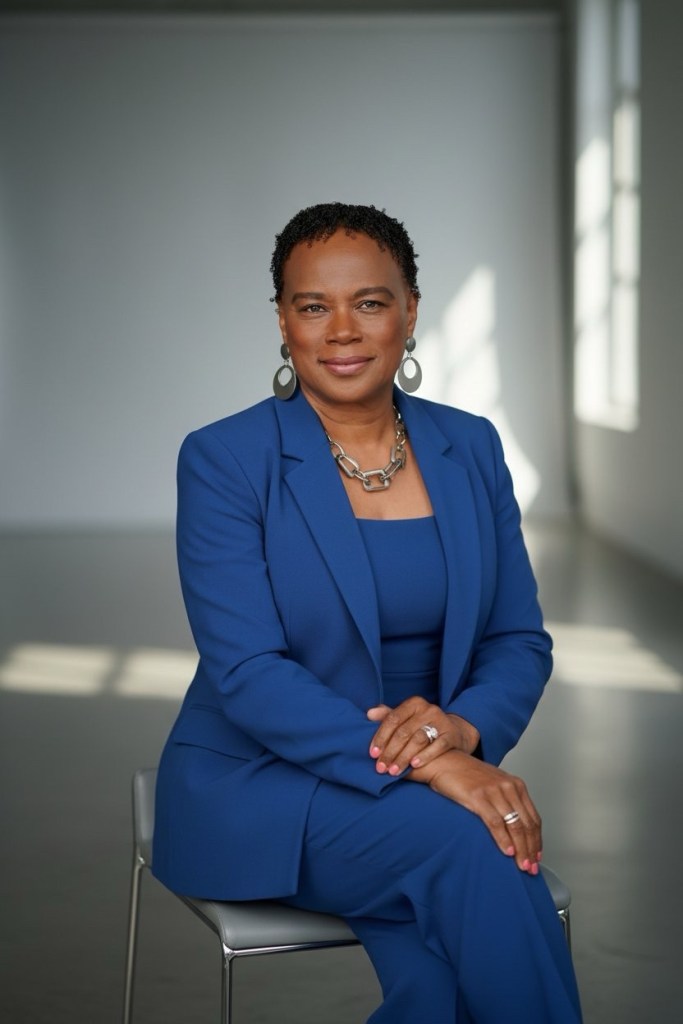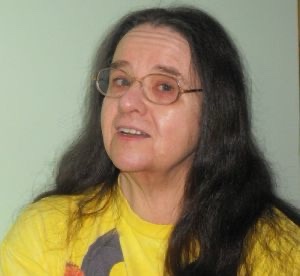
• Nancy Hansen

    Please introduce yourself.

    I’m Nancy Hansen, married for 43 years and counting, mother of two adult sons, grandmother of three. I’ll be 69 this Friday (April 3rd). I’ve lived in beautiful, rural, eastern Connecticut all my life. I’ve been writing since the late 1980s. I was a stay-at-home mom at the time because my oldest son was identified as learning disabled and started in the local elementary school’s pre-K intervention program, so he had special education support all through school. He struggled at times in elementary and then the local middle school/highschool, though to a lesser extent in college. It was mostly with social skills, though he had trouble focusing on things that didn’t interest him or following complex verbal directions. Eventually the state recognized high-functioning autism when he was in 5th grade and he was the first in this area to be diagnosed. The school system got outside professional support to come in regularly for my son, which also helped our family and the educators and administrators learn how to effectively deal with him. Over those years there were a lot of meetings to attend and constant contact with his teachers and aides and the outside specialist. I handled most of those meeting solo and monitored homework every night to keep him on task. My husband was working long hours with an over 40 mile drive one way, and he’s not a patient guy, so I didn’t mind making myself available instead of returning to work. I gardened a lot to put up food for freezer and canned, and we had chickens for fresh eggs for a few years. In the off season though, I wanted something else I could focus on, but it had to be home-based because I was always on call in case my son had a meltdown and we needed to pull his team together. After dabbling in music (I sang and played rhythm 12 string guitar) and art, and then trying a craft vendor business, I knew I needed something I could do at odd hours and still be available on short notice. I’ve been an avid reader from about 4rd grade on, so writing seemed like the way to go. I took a couple of mail-in correspondence courses I could do at home or carry with me when waiting somewhere, and in spite of being a rotten typist, I started working on material back then that I’ve refined into novels and short stories over the last couple of decades. Along the way I learned to use a computer and then the internet when it became available in our rural area. The internet really opened the world for me, and within six months I was actually moderating a couple of bulletin boards online. That was well before the social media sites became a thing, so I learned to use VPN based moderator tools and chatted via ICQ in its beta stage with folks all over the US.
    What genres do you write and why?

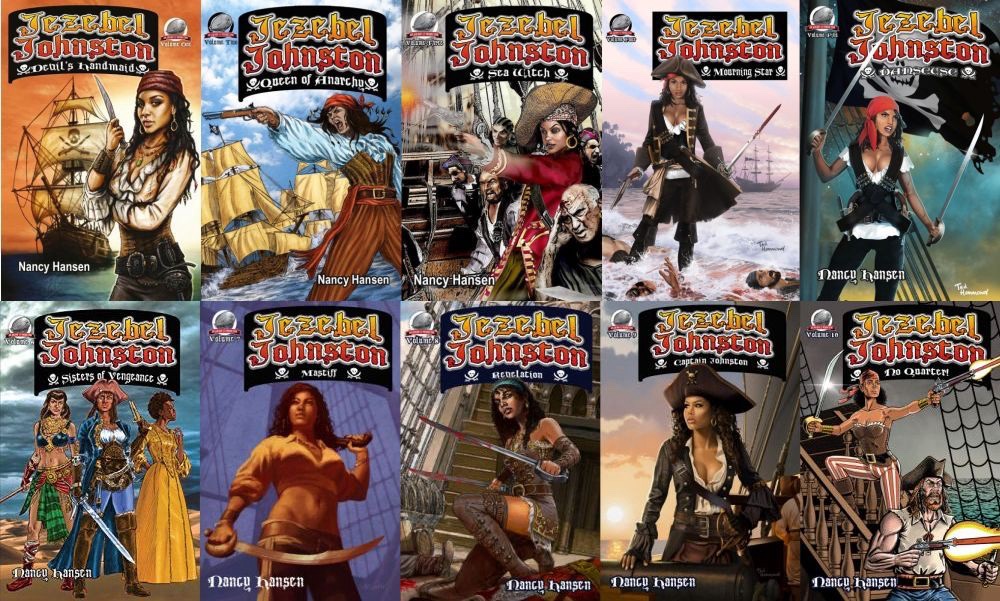
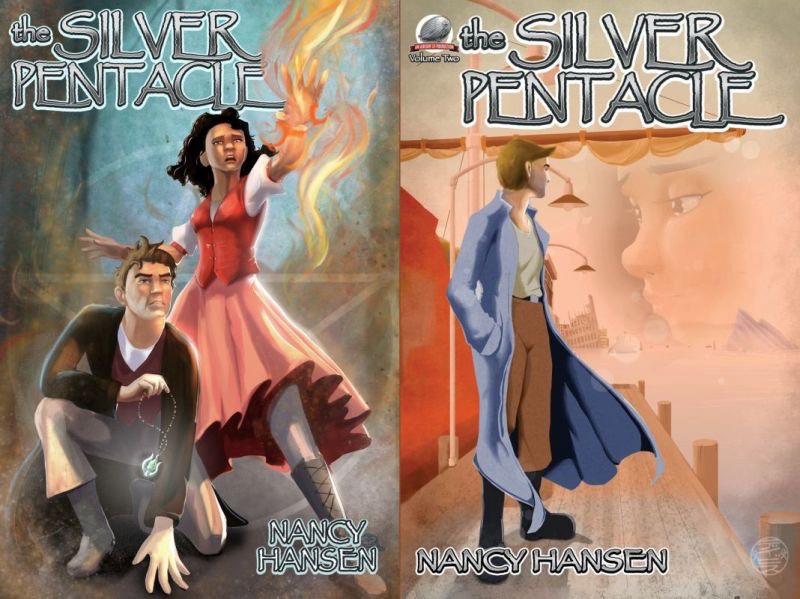
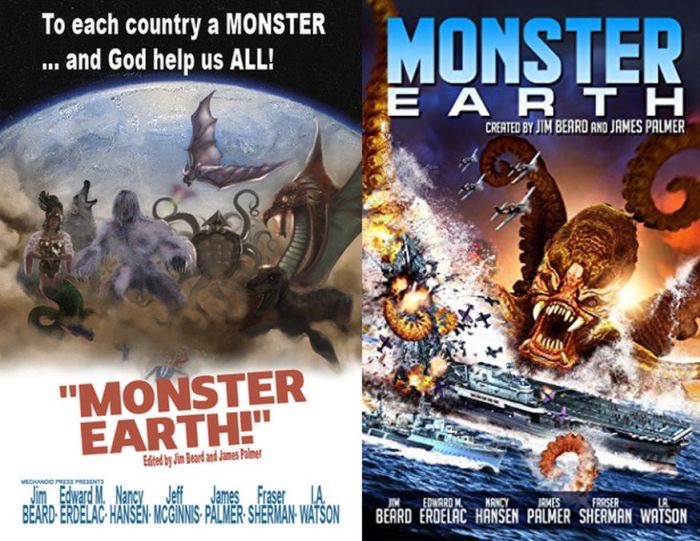
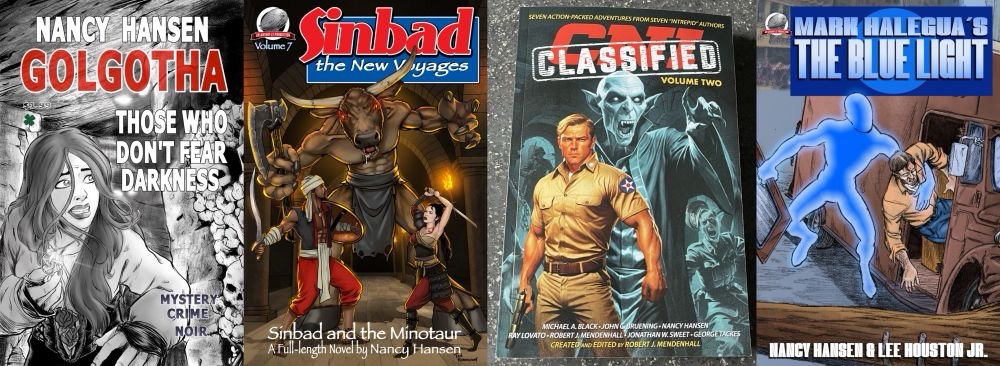
    I enjoy variety so I will tackle just about anything that interests or challenges me, though my first love will always be fantasy. I’ve read a lot of fantasy, so go figure! However I have an ongoing pirate adventure series in a historical setting that I pitched to a publisher that now has 10 novels in print and I’m currently working on the 11th. They’ve been collecting every 4 novels into a print-only omnibus featuring a new title and cover, with all the original interior illustrations (9 for each novel) inside, and the original covers for the books featured on the omnibus back cover. I get invited into projects regularly, and if I see something opening up that catches my eye, I’ll throw my hat in the ring for a chance to write for that. I’ve written a somewhat weird western, dabbled in horror, romance, private eye yarns, and sci fi, and have authored several stories in a world setting that features Kaiju-type monsters as the big threats instead of nuclear missiles. I’ve written about mummies, supernatural investigators, and an alti-verse where things are cobbled together from steampunk in a land where dinosaurs still roam and famous personages from history have interesting new lives. I’ve written several other stories for my pirate novel publisher because they’ve had a Harryhausen-style Sinbad The Sailor adventure series with an eclectic cast that I’ve enjoyed working with. I’ve written about monster hunters and a post-apocalyptic world where The Rapture has come and gone and the remainder humanity struggles on with various otherworldly issues. I’ve recently written a Domino Lady tale. I was first welcomed into the burgeoning New Pulp community back in 2010, so high action material is no-problem for me. I even have a children’s series of 6 books that I’ve co-authored with 2 dear writer friends from the bulletin board days that feature mischievous little mini-dragons that each reside with magically skilled adults in a world where chocolate has replaced oil as the major economic force, Atlantis exists as a resort, and skilled writers can create viable other-worlds just by how convincing their prose is. It would be a paradise if not for those HAACK writer/enchanters who keep trying to take over those magical worlds. We have so many bad puns in these books, it’s become a regular feature! Those are sadly out of print now as are my fantasy novels, my private eye collection of stories, as well as the collection of tales featuring Lorelei the Siren come back to the modern world as the head of a team of scum-busting anti-heroes from history. So yeah, my writing is all over the place, and I enjoy every minute of that.
    What is your earliest memory of reading?

    I was a good student but a poor reader up into third grade. My very patient classroom teacher, who understood how important reading is, tried to find me interesting books on library days that might help spark my ability to read. He also regularly read to the class after lunch and recess, either from Hightlights Magazine or books he thought we’d enjoy. He knew I was struggling so spoke to the school librarian about finding me books I’d try harder to read from. I remember her asking me what I would like to read about and I told her I like stories about horses, dogs, and cats. There weren’t too many cat books back then, but with the 1960s government’s funding of school libraries she managed to start stocking Walter Farley and Marguerite Henry’s horse books and Colonel S.P. Meek’s dog and horse books. I read them all, and by fourth grade I was an avid reader. Thank you Mister Holland and the librarian whose name I have forgotten, because those books and your efforts allowed me to learn to read not only well and independently, but voraciously. Reading really turned my life around and by the time I was in the upper grades (that school was K-8) I read 4 books every 2 weeks—two I checked out and two my (4 years younger) sister checked out only because she had to. So she brought home books I liked. I was a big fan of Walter R. Brooks’ Freddie The Pig series. When we got encyclopedias, I’d pick one up and read random entries. I started reading newspapers. When our town opened a library, we went there every 2 weeks. Over the years my dad often said that if you couldn’t find Nancy, look behind a book.
    When did you know you wanted to write? How did it happen?

    While it actually dawned on me as an adult mom with two sons, when I look back, I can see this was inevitable for me. Writing was something I actually did well, I was that kid who never freaked out over book reports or essay questions on tests. I always had something to say and could bluff my way through any writing assignment. In high school English, I once got a passing grade on a book report explaining why I didn’t finish reading the book. Another time I plagiarized a story I’d read in a magazine and rewrote it convincingly enough that even though I admitted what I’d done, the teacher was impressed and talked to me about staying in school (I was skipping out a lot) so I could go on to college. Then there was the time we were reading Dicken’s Pickwick Papers and everyone had been assigned an aspect from the book to research. I had been out playing hooky for a while (again), so when I came back I was assigned to write about ‘debtors prison in England’, something the top gal in the class had researched at length at a couple local libraries and the nearby college library, and could find nothing much about. We weren’t allowed to use encyclopedias and I could not go to libraries outside of school because I had no ride. We lived miles away and my Dad worked second shift and my mother didn’t drive. I found only a tiny bit of info in our Britannicas, and not much in the high school library, so I made up the rest to fill in the blanks. The English teacher was astounded with what I turned in, and the girl who first took that assigment was extremely suspicious because the sources I cited she had already searched and found very little that was useful. I have a feeling I got a good grade for my sheer inventiveness. Looking at the online material on debtors prison now, I wasn’t too far off in my ideas.
    What’s one of your favorite scenes in one of your books?

    That’s hard to pick, but I have to say one of the most memorable that I always enjoy sharing comes from the second book of my Greenwood fantasy novels. A bunch of barmaids face off with mercenaries hired by a local sheriff who acts as tax and tithe collector for his duke. One of those barmaids is my main character and happens to be pregnant at the time. These would-be tax collectors are armed and threatening to shake down the owner/proprieter of this frontier inn with a popular taproom for more than he owes in taxes so they can pocket something for themselves. A free-for-all fight starts when one barmaid is coming down the stairs from retreiving a stack of metal trays and sees her employer being held at sword point by the leader of the group. She drops them on the agressor’s head and then all the other girls whip into action, using whatever tools they have on hand—a bung mallet, the metal-edged dasher of a butter churn, and a sooty broom from the hearth. Eventually the entire town gets involved, disarming the men and sending them off in their ‘small clothes’ downriver on a raft in late fall. I had a ball writing that one and every time I’ve read it to a group, people absolutely love it. I’m dying to get those four books back in print along with the fifth manuscript that never got turned in. I’ve been picking away at the sixth one.

    What makes a good character? A bad one?

    Believability and depth to characters makes them someone you can relate to. I don’t tend to write one dimensional heroes or villians. Good intentioned characters don’t all have to be superheroes; they can just be regular Janes and Joes, muddling through as best they are able to, though there has to be something compelling about them to keep the reader turning pages. I have them doing whatever they have to in order to survive or save someone or something they believe in. They can be tall, short, plump, skinny, any race, any ability, even non-human! I want them to seem like people you might meet anywhere and would want to get to know better. Some are really flawed but still quite likeable. Some are sweet and kind, others snarky, lazy, self-involved and unfeeling—until pressed to do the right thing. As far as villianous characters, I want them to have depth too, so that there’s no evil for its own sake. They truly think they’re right and justified in what they are doing because these are damaged people or beings. It becomes their mindset that they must follow this darker path. So their deeds become decidely evil, though you might feel a twinge of understanding or remorse because you’re also getting their version of what made them who and what they are now. There is a dark side charisma to a really evil mastermind character that you will gingerly explore as a reader even while you feel revulsion—if you can understand how this individual got so twisted in the first place. That depth makes the reading so much more interesting.

    What moves the story for you?

    I need to invest myself into who I’m writing about and what’s going on for the characters in order to get a project underway. But I am a working writer, so when I accept a writing gig from someone, I consider it an honor to be chosen and I give them my very best and strive to have it in on time within their parameters. Once you’ve written long enough,you find that you can get into almost anything you’re assigned as long as you have even at least vague story idea floating in your mind. I’m a panster by nature, so I don’t do outlines, but I will have some sort of general synopsis of the main event in my head before I start getting words on a page. Then I just let it flow out as it wills. I seldom have anything even resmbling writer’s block that way. You have to learn to trust in your process. That said, this is what works for me; all of us are different and there’s no right or wrong way to tackle something as long as what you are doing keeps you working at getting something written.

    What is your favorite book and why?

    I’m assumimg you mean by other authors. I have many favorites, but I have to say Tolkien’s The Hobbit along with The Lord of the Rings trilogy are likely at the pinnacle of that list. Four paperback copies were handed to me for the first time in my teens by a dear friend who was going away for the summer as a church camp counselor. I had expressed some remorse over not seeing her for three months, and she said, “Read these and we’ll discuss them when I get home.” I was told what order to read them in and then I set them aside for a while. When I got bored enough, I picked up The Hobbit, and went to sit on the ground underneath the burgundy leaved Japanese maple on the family front lawn. To this day, I recall opening that paperback for the first time and reading the initial sentence: In a hole in the ground there lived a hobbit. What was a hobbit? Why did it live in the ground? An entire world of wonder opened for me with those books! I’ve read them 5 times, worn out a couple copies, and read them to my two sons when they were both old enough to listen. The boys both did independent book reports on Tolkien in elementary school for the same teacher a year apart, and she asked me, “What’s all this with Tolkien at your house?” Well… there’s something really special about a shared experience that makes you want to tell the world about it. That has now passed to a third generation, because I bought my voracious reading younger grandson an illustrated hardcover copy of The Hobbit for his birthday last year. Plus we’ve got DVD copies of the Rankin/Bass and Ralph Bakshi animated versions his dad and uncle enjoyed as kids, and my sons and I sat together in theaters watching all of Peter Jackson’s live action movie adaptations—which I also have in extended versions on DVD/Blu-ray. When Jackson’s Return Of The King ended in the theater, that was the first time I ever saw the entire audience leapt to their feet and applaud a movie, and I was proud to join them. They were my tribe! I’ll admit, I teared up when they used that same opening sentence that had captivated me so many years ago in the initial hobbit movie opening scene. I have to say that while my gift of writing in general might come from various sources, my love affair with epic fantasy was definitely influenced by those unforgettable books, and that gradually motivated me to write stories of my own that might someday captivate others.

    What do you want to say to your audience?

    I write to provide quiet entertainment for others in the way I always enjoyed it—creating something exciting and maybe even uplifting or thought-provoking to carry us away from our own lives for a while. We live in a very hectic and sometimes overwhelming era, where there are so many things blaring at us all day long, and everybody’s opinion is on display wherever you go. Reading for pleasure is still important, and I hope that the majority of you reading this understand why. For me reading was the great escape. I was an unpopular, poorly dressed, fat kid from a low income, rather humdrum existence, who was constantly picked on and ridiculed for how I looked. Yet I could get away from it all with a good book in some quiet space, and that saved me from going down the rocky roads to dark places teens can get into when things are at their worst. I could disappear for a while into a story and when I came back out the world around me seemed a little less stressful, tawdry, or downright nasty. Books taught me that it’s okay to dream of being swept off my feet and transported to magical, mystical, alien places where the determined underdogs can and do triumph over evil in the end, though the heroes have to sometimes sacrifice themselves in order to make it happen. We have to keep believing that things can be better, that there is goodness in the world, and that love triumphs over hatred. That’s why I write the stuff I do and strive to share it with you all. I want you also to have a better place to go to when it gets too damn real outside.

    What advice do you have for new writers?

    I only have a 12th grade education and yet here I am. Actually it took me 6-1/2 years to get that high school diploma because I kept staying back due to absences along with the two times I dropped out. Sometimes I skipped classes and hid in the high school library where the two librarians let me stay because I was safe and just reading. All of this because of the constant bullying I had endured for most of my school years. So I’ve had to reinvent myself as a writer in my middle years. That is something I really wanted to do, so I worked at it. I’ll tell you now, the only writing rule that applies to everyone is that if you don’t write at all, you’ll never get published. You learn mostly by doing in this business, not as much by books or seminars, though they can be helpful. You must write as often as you can manage to. As for me, I don’t find time to write—I make it. If you honestly don’t have the time, maybe scribble some notes or dictate ideas into your phone. It tells your brain you did something important today, and that’s incentive to keep at it. You can use those notes later, just get them into a form that won’t disappear if the electronic device dies. I recall retyping 100 pages of a manuscript that somehow got deleted, though I was lucky enough to have a dot matrix printout on fanfold tractor pin edged paper (yeah, I’m dial-up old). There were no scanners back then! Also, I find having a setup routine before I write gets me in the groove. I get out my material, set up my online sites I use, and out come two squares of 90% dark chocolate for those “little gray cells”. Then I go to the bookmarked section I’ve been working on and start re-reading and adding stuff. Personally, I enjoy the writing process, but it can be overwhelming at times too, and you have to expect that. So break off from that one story that is twisting your brain into knots and write something else. Or talk to a sympathetic friend or family member who will patiently listen about how frustrating this is—oftentimes I’ll work out my issue as I explain it. Learn your craft as best you can, but you must read a lot as well. Read all kinds of things, not just what you truly enjoy or want to write. When you’re watching something entertaining on a screen, think about how small elements of that can be used in a story. Oh, and my first correspondence course taught me to keep a college level dictionary and thesaurus on hand—plus they gave me a copy of Strunk & White’s ‘The Elements of Style’. Not bad thing to have, it broadens my knowledge of words and punctuation and how to use them. That was the dinosaur days of the late 1980s, you can get much of that info online easily enough now. Last of all, once you know what style works best for you, trust it. There’s no wrong way to write if it gets words on the page that makes you feel accomplished.

    Do you have anything else you would like to add?

    Writing is a lonely business because we’re trapped in our minds during the entire process. Non-writers don’t get it, sometimes they think the books just pop out of our brains fully formed like Athena. It’s also not glamorous until you hit the big time, then you can’t go anywhere without someone coming up to gush over you when you’re just trying to have a nice dinner or a night out. We all have our clay feet too. Most of us aren’t making enough to do more than buy pizza for the family. Many have day jobs and steal time from family, chores, skip outings, or lose sleep to get writing in. Yet we still do it because it is something we love and want to share with the world—even while it’s frustrating and eats up time we could be binging streaming series. All we writers ask is that once you’ve read what you bought of ours, please leave a review. Reviews are so vitally important, because it tells us that we sold something, which boosts our fragile egos and encourages us to keep at it. From reviews we learn what we’re doing that seems right and what didn’t work, but also they boost a book’s potential readership each time someone leaves one because it gets bumped up a notch in the countless numbers of other books out there. It’s good for the rest of the team too, the artists who do covers, the publisher who takes a chance on this tome, the editorial staff who strives to make it shiny and easy to enjoy, and the seller platform that offers it. A review doesn’t have to be in-depth or fancy, just why you liked or didn’t like a book or story and why. It helps us keep at it and get better at what we do and tells us it’s worth writing again.
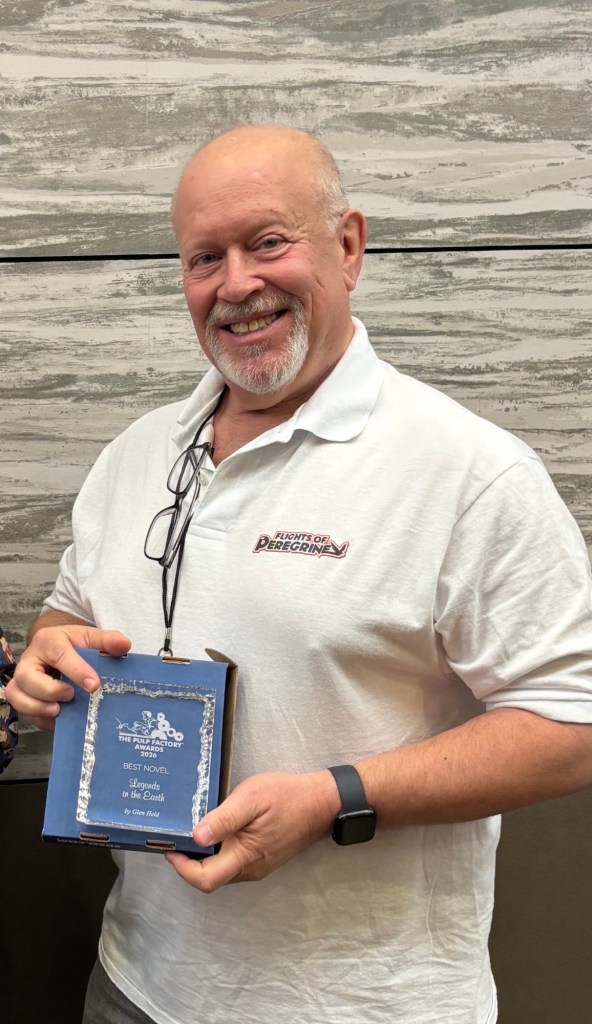
  • Glen Held

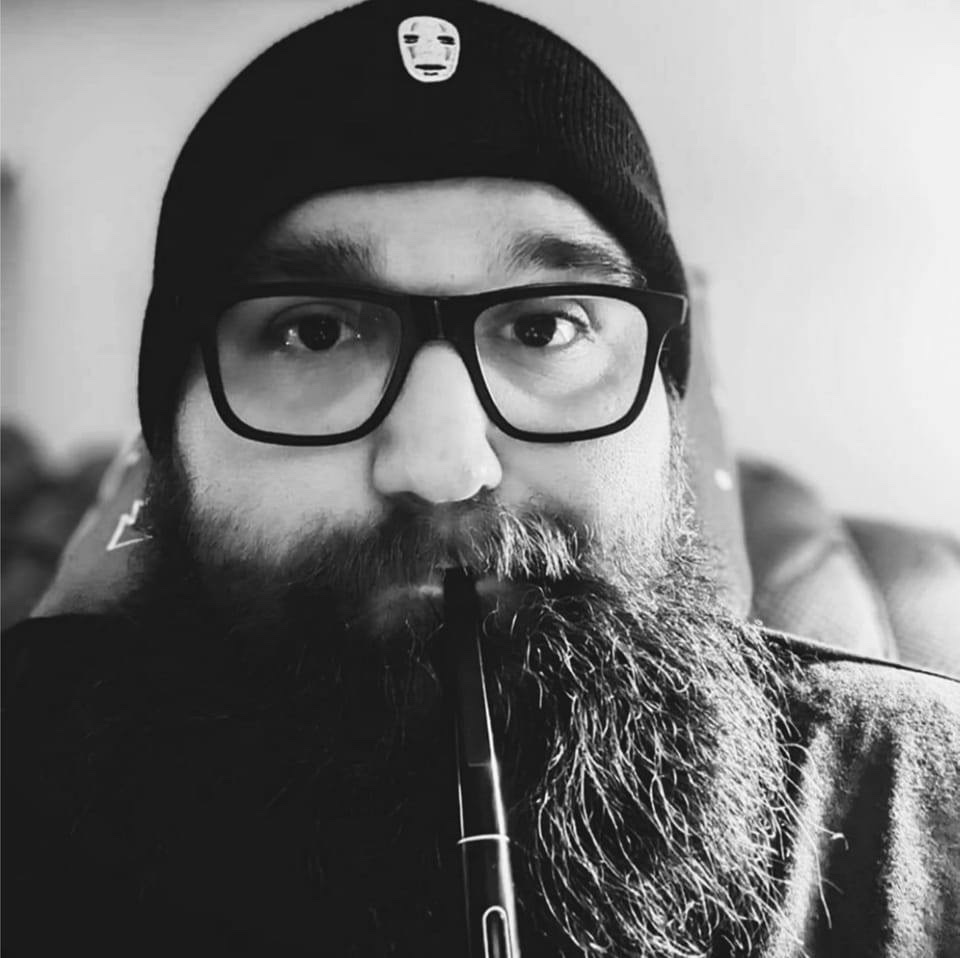
    Please introduce yourself.

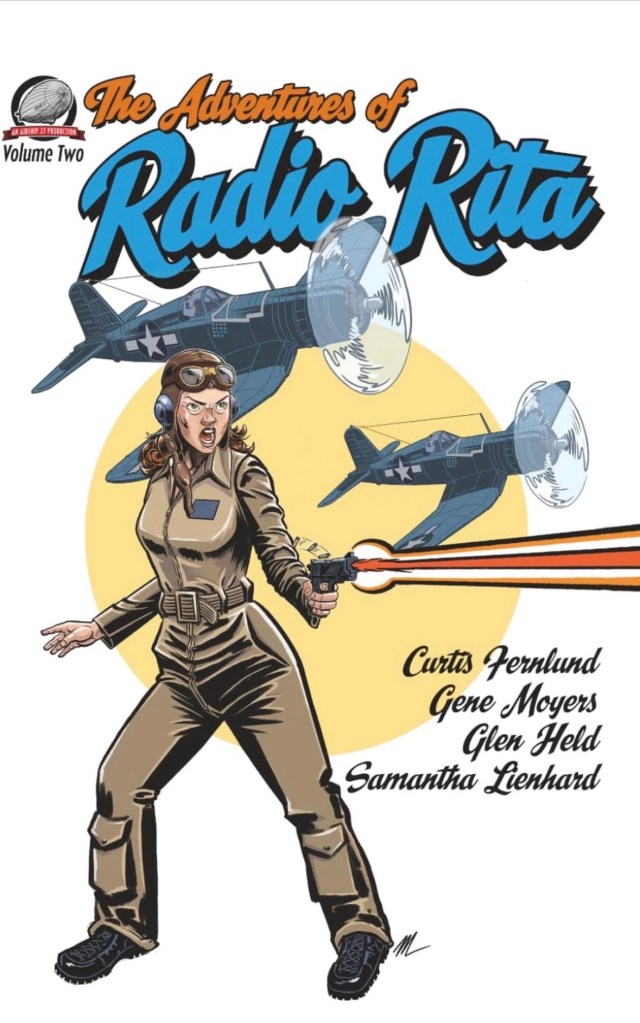
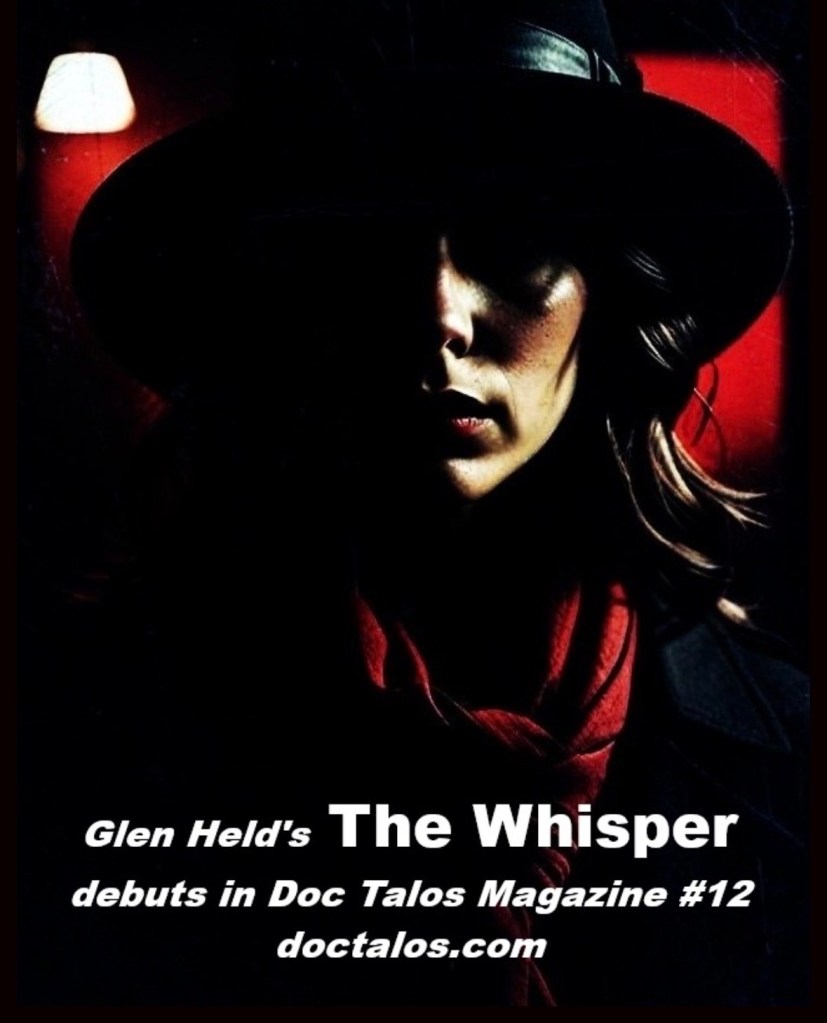
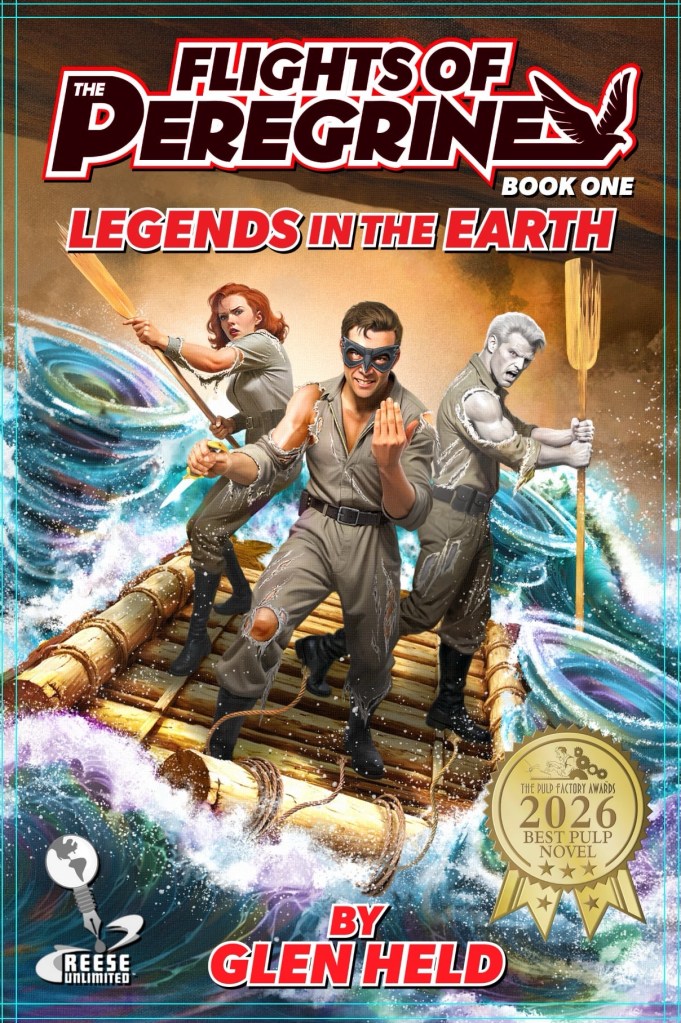
    Glen Held here, born in the heart of Brooklyn and bred in the suburbs of Long Island. I’m a big fan of comics (DC), Doc Savage, Edgar Rice Burroughs, classic science fiction and the pulps in general. Began writing in earnest about three years agofor Reese Unlimited, Airship 27 and Doc Talos Magazine. I currently live in Farmingdale, New York with my wife and my good friend Eddie the dog. I also just won the Pulp Factory Group’s award for Best Pulp Novel for my book Legends in the Earth!


    What genres do you write and why?

    I write what I like to read, so mostly heroic New Pulp in the style of Doc Savage and The Shadow. My three most recent books are The Devil You Know (a pulp team-up adventure featuring public domain heroes from the 1930’s fighting the incredibly evil Doctor Satan), the aforementioned Legends in the Earth (a New Pulp hero on a journey to save the world – nominated for Best Pulp Novel of the Year), and the anthology The Killer (five Doc Savage pastiche stories.) I’ve also written a romance (what?) and a young adult science fiction tale that I self-published.

    What is your earliest memory of reading?

    I can’t tell you that, but I can tell you about my earliest memory of not being able to read. I was watching a Bugs Bunny cartoon, probably in the early 1960’s, and Bugs held up a sign. I think the adults in the room laughed, but I didn’t get it. I remember thinking to myself, this cartoon is really funny, but it’s going to be so much funnier when I can read.

    When did you know you wanted to write? How did it happen?

    It seems like I always wanted to write. I loved the thought of writing comics or composing advertising slogans like Darren Stevens did in the show Bewitched. I had some almost successes early on, having been a semi-finalist in L. Ron Hubbard’s Writer’s of the  Future contest and getting to the final stages of DC’s New Talent Showcase (it really hurt when the editor I was working with was fired and the new guy didn’t like my stuff.) Ialso was in talks about bringing a character of mine to anindependent comics company (believe it or not, I forgot thecompany’s name!) when they went out of business. Ugh! I put that aspect of my life on hold when I started raising my kids and moving up at work, but I didn’t give up entirely. Now that I have the time, I’ve started to have some actual success. Yes, I’m in my sixties now, but age is just a number…albeit a really big number.

    What’s one of your favorite scenes in one of your books?

    In Legends in the Earth  Max Davies, the Peregrine wakes up from a near death experience in a rural town from his childhood. The place has all the people, sights and sounds from when he was a young boy and spent summers with his aunt, uncle, and cousin. The scene is straight out of The Martian Chronicles, but with a decidedly different twist. That being, what if one’s dark memories are hidden so deeply that they can’t be read? If that happened, when these terrible memories bubble to the surface, you would eventually know the idyllic situation you’re in can’t be true. At that point, what would hurt more, realizing these wonderful memories aren’t true, or having to live through them again? 

    What makes a good character? A bad one?

    A good character is one I can fully envision and inhabit. I work with pictures in my mind, thinking up situations and plopping the character in it. If it’s a good character, then he/she will move the action along and the plot is pretty much written by them.Sometimes, I give them the personality of a celebrity; usually an old-timey one such as Errol Flynn or William Bendix.

    A bad character is fashioned just the same as a good one, but obviously their actions make them opposites. The reason for these actions determine if they are ‘good’ bad characters. And, sometimes, a bad character becomes a good one, then back to bad. In my book The Devil You Know, Doctor Satan does that whereas in Legends in the Earth, The Ghost winds up to be… nah, I’m not going to give that one away.

    What moves the story for you?

    Short, quick chapters that end on a cliffhanger. Like him or loathe him, there’s a reason why James Patterson is the top selling author in the world. I don’t like to plot. To me, plotting takes the fun out of writing. However, it also makes the story a lot harder to construct, as you have to go back and forth putting out logic fires. Ultimately, though, I think the story is better for it.

    What is your favorite book and why?

    Easy question for me. That would be The World According to Garp by John Irving. It’s simple, yet intricate, with so many wonderful ideas running through it. I actually enjoyed it toomuch! Garp intimidated me as a writer and, knowing I’d never be able to come up with anything near as good, I gave up writing for a few years after reading it. I bet that’s a review that John Irving didn’t expect.

    What do you want to say to your audience?

    Thanks for your interest in my stories! When you read a story that I wrote, you can rest assured that it will be thoroughly researched and be meant to entertain. If you want a story filled with action, some humor, adventure that keeps moving forward, I think you’ll find that in the things that I write. Or at least I hope so!

    What advice do you have for new writers?

    Keep at it! Stories don’t write themselves. Should you paint yourself into a corner with your writing, then go back and try to change things so that corner will never have existed. If that doesn’t work, move on to something else. There are plenty of other tales out there. And you can always come back to your unfinished story later on – even if its years later!

    Do you have anything else you would like to add?

    Read to write and write to read!

    Website: I wish I had one.

  • Brian Rodman

    Please introduce yourself.

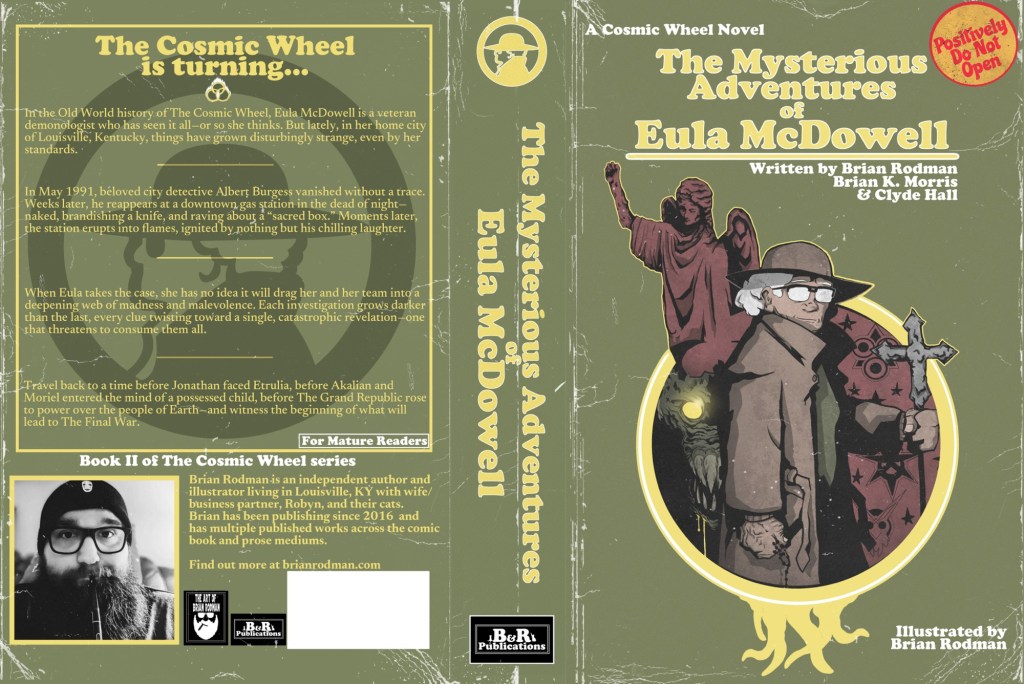
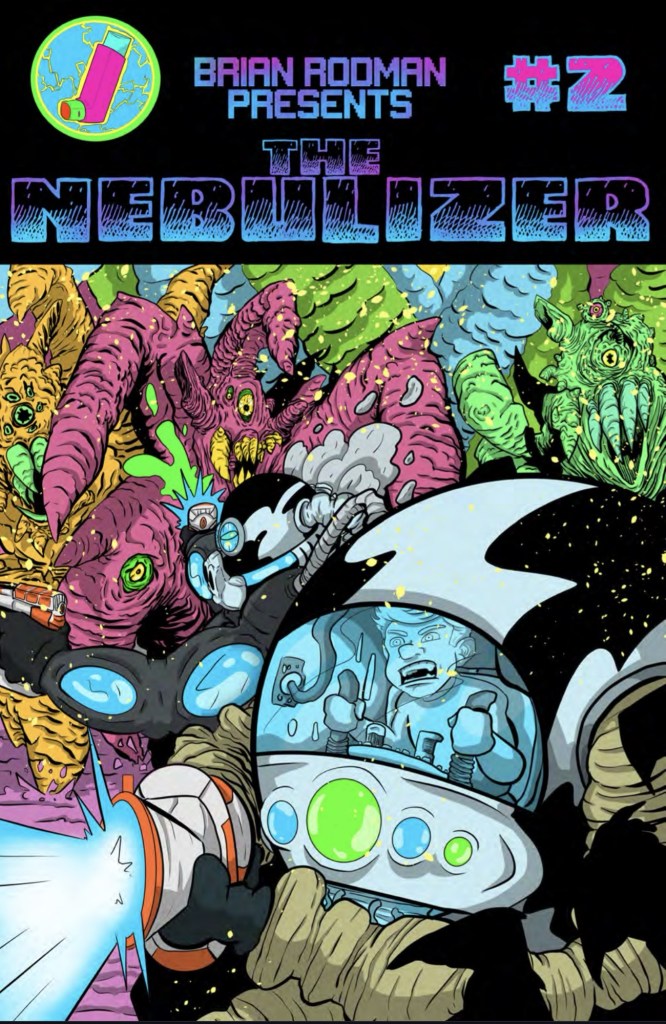
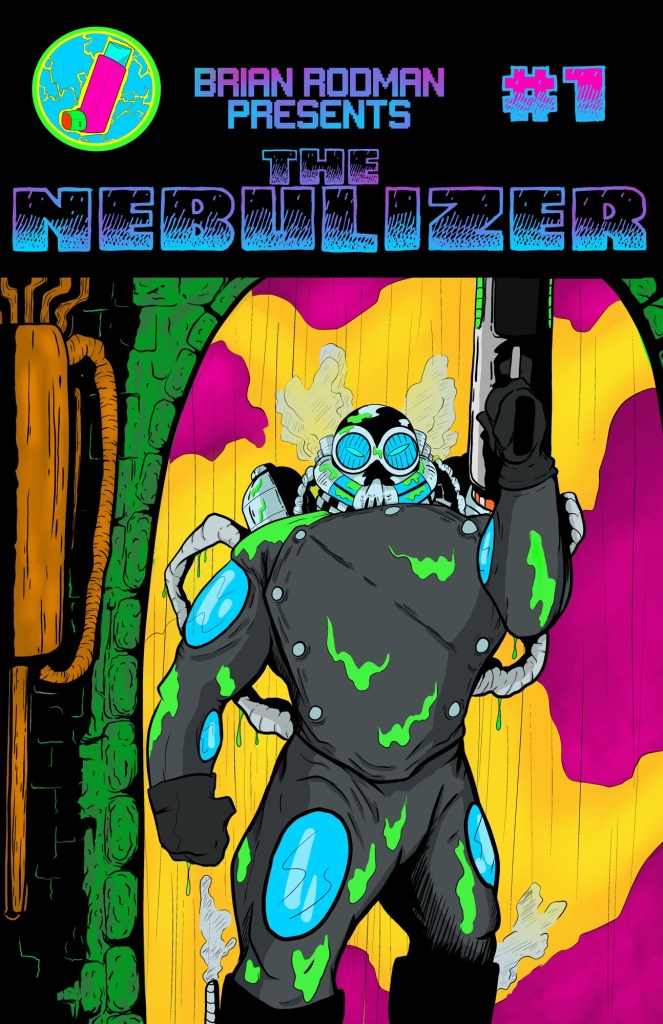
    I’m Brian Rodman. I’m now a Pulp Factory Award winning illustrator and nominated author. I live in Louisville, Kentucky with my wife/business partner, Robyn, and our three cats. Currently I’m working on The Cosmic Wheel series of illustrated novels, but I exclusively created comics professionally from 2015 to 2023. 

    What genres do you write and why?

    I really want my readers to feel something and relate to what they’re reading. So, I like to take Alan Moore’s approach to writing in genre. He encourages writers to blend genres as much as possible because that’s how life works. I think that’s really helpful for a writer to try to accomplish because even when you’re working within a very specific genre like New Pulp, you can better engage with your reader and give them a better story by bringing in other sub-genres into your story. Life isn’t just an adventure or a romance or a comedy alone. A horror-romance-fantasy adventure is always more interesting than simply one of those on their own–at least if you do it right. And I think most stories are like that anyway, even when it’s unintentional. Even when a reader is wanting pure escapism, they’re wanting a relatable story and I think this method brings them just that. So I do my best to play in all genres with each story, allowing the story and characters to help dictate which genres should rise above the rest.  

    Please talk about your illustrations and your process.

    I love drawing, first off. It’s a kind of therapy for me. I’m an extremely visual person, so art is always a form of expression that I relate to the most, I think. I love the written word too, don’t get me wrong. But when I look for inspiration, I’m always going after art pieces. My process, like everything, starts in the mind. I picture what I want the illustration to look like and try my best to bring that out of my head and onto the page. Sometimes I’m really successful at that. Other times, I have to pivot because my imagination is just a better artist than I am lol. But even in those times, I try to roll with what I’m giving the piece. I think one of the most important things for an artist is to embrace their unique style. If you’re constantly trying to be a Frazetta but your style looks like Warwick Johnson Cadwell then you’ll constantly be disappointed in your work. When you embrace your strengths and weaknesses, you become a better artist. So almost always my process begins by figuring out what my style can bring to a particular illustration. Then I go from there. 

    What is your earliest memory of reading?

    I think my earliest memory is my Grandmother reading me fairy tales at her dining room table. A close second would be me discovering comic books through The Death of Superman trade when it first came out. I think I read that over and over again for about a year or so. 

    When did you know you wanted to write? How did it happen?

    I can’t remember a time where I didn’t want to write, to be honest. Storytelling was so ingrained in me from such a young age. Some of my earliest memories are me creating comic books for my family and friends. I think it was just a part of me from the get-go. But I knew I wanted to become a professional writer when I realized I could actually do it. Back in 2015, I had been telling my wife this grand story idea for years at that point and, being someone who went to school for business and accounting, she told me that if I was going to continue to tell her about this stuff, I needed to make it happen in a tangible medium. Because I was just constantly throwing ideas at her and she couldn’t keep up with it all. Up until that point I had no idea how to even begin to enter the profession, so she stepped in and filled that gap for me, allowing me to actually bring this stuff to life. So I started my career as a bad comic book creator who gradually got better and better. Then in 2022 my health took a major hit and I was placed on long-term disability. I found I couldn’t create comics consistently anymore, but I could lay down or recline and type on my laptop on good health days and it didn’t drain me so much. So I tried my hand at writing prose and I fell in love. Authors Brian K Morris, Clyde Hall, and Charles F Millhouse were huge during this transition. Brian and Clyde encouraged me to enter the New Pulp genre and Charles gave me my first shot as a published writer in his Pulp Reality magazine. 

    What’s one of your favorite scenes in one of your books/scripts?

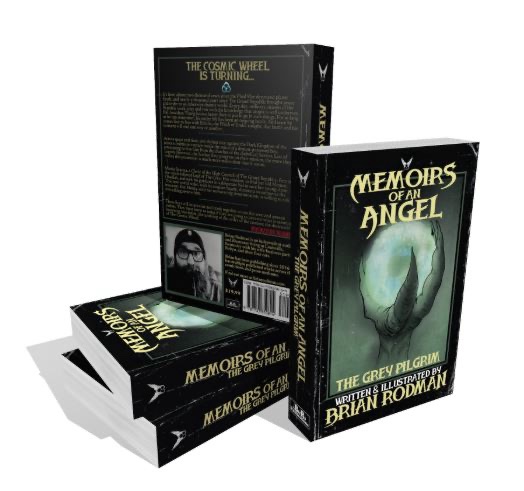
    In my book, Memoirs of an Angel: The Grey Pilgrim, there’s this big battle that occurs in the middle of the book. In fact, it feels like the climax of the story, but it’s only the halfway mark. In that scene we’re bouncing back and forth between the spiritual realm where this epic battle is happening and the physical realm where these three counselors are trying to free this 13 year old boy from possession. And about halfway through the battle, one of the counselors, Mattia, finds herself alone with her possessed client who just flung her colleague out of the window with his mind. Her strength and vulnerability in the face of evil is really an inspiring thing to read. We see fear turn into fierce motherhood and the moment where that occurs is always going to be something I’m proud of. 

    What makes a good character? A bad one?

    I think what makes a good character is one that doesn’t fall flat. Good characters are three-dimensional. Meaning they’re complicated. A good villain is one that doesn’t believe they’re a villain. There’s some depth there. They believe what they’re doing is good, or they’ve been through so much trauma that they’ve given up on “good” altogether, seeing themselves as a victim, and prefer evil just to get back at the world. And it’s the author’s job to show the reader that story and flesh out that character so the reader can relate to them. Either way, they have some depth to them and aren’t mustache twirling Dastardly Dans who are just villains because it’s their job to be the villain. A bad character is just that–a one dimensional character who just serves their purpose because the author tells them to. There’s no real reason that drives them.

    What moves the story for you?

    A good mix between character driven and plot driven devices. I think that’s the sweet spot for me. When characters step into the spotlight for a bit, do their thing, and then you get little breaks of narrative driven storytelling with events being in the spotlight. If you can pull that off, then that’s a good story. 

    What is your favorite book and why?

    Dracula and A Christmas Carol are tied for my favorites. I think Dracula is one of the best villains of all time. Maybe the best. He’s just so ominous and interesting. And the story of Scrooge is a wonderful tale of redemption that’s so important for any time in history. Plus the Victorian Age just sets the mood for good horror and ghost stories. Both of these books are timeless and have a message of good vs evil from within and without. Sometimes you need to band together and fight the monster and other times you need some spirits to help you fight the monster inside you.

    What do you want to say to your audience?

    That you’re not alone. What you’re experiencing in life, no matter what it is (good, bad, ugly) you are not the only one going through it and that other people are experiencing life alongside you. To be empathetic to what others are experiencing will make you a better person and it will help us all get through this thing together. I think, at the root of it all, that’s what everyone can get out of my books. Or at least I hope they do. Others are here with you and so is God. And that may not look like you think it does. There’s more to life than what meets the eye. Faith is real and has the power to change the world. 

    What advice do you have for new writers / illustrators?

    Write. Draw. Put it out there. Do it now. It’s probably going to be bad at first. That’s okay. Keep doing it. Post it on the internet. Find a group of experienced writers and illustrators who will help you and kindly critique your work and not bully you for their own enjoyment. In today’s world, don’t wait for a publisher to tell you it’s okay to publish. We can all publish online or print through Amazon, Draft 2 Digital, Ingram Sparks, or Comics Wellspring. There’s really no excuse these days to not do the work. Also, get a domain that’s yours and create an email list. That’s so crucial right now. For readers to be able to find you and engage with you in a space that isn’t social media is good to have. Dirk Manning’s “Write or Wrong” is a great resource for this stuff.

    Do you have anything else you would like to add?

    I love writing and illustrating. I hope I’m able to do it for decades to come and work with some other really great folks. In my opinion there really has never been a better time for indie creators to bring their works to life. Let’s take advantage of it! 

    Website: brianrodman.com

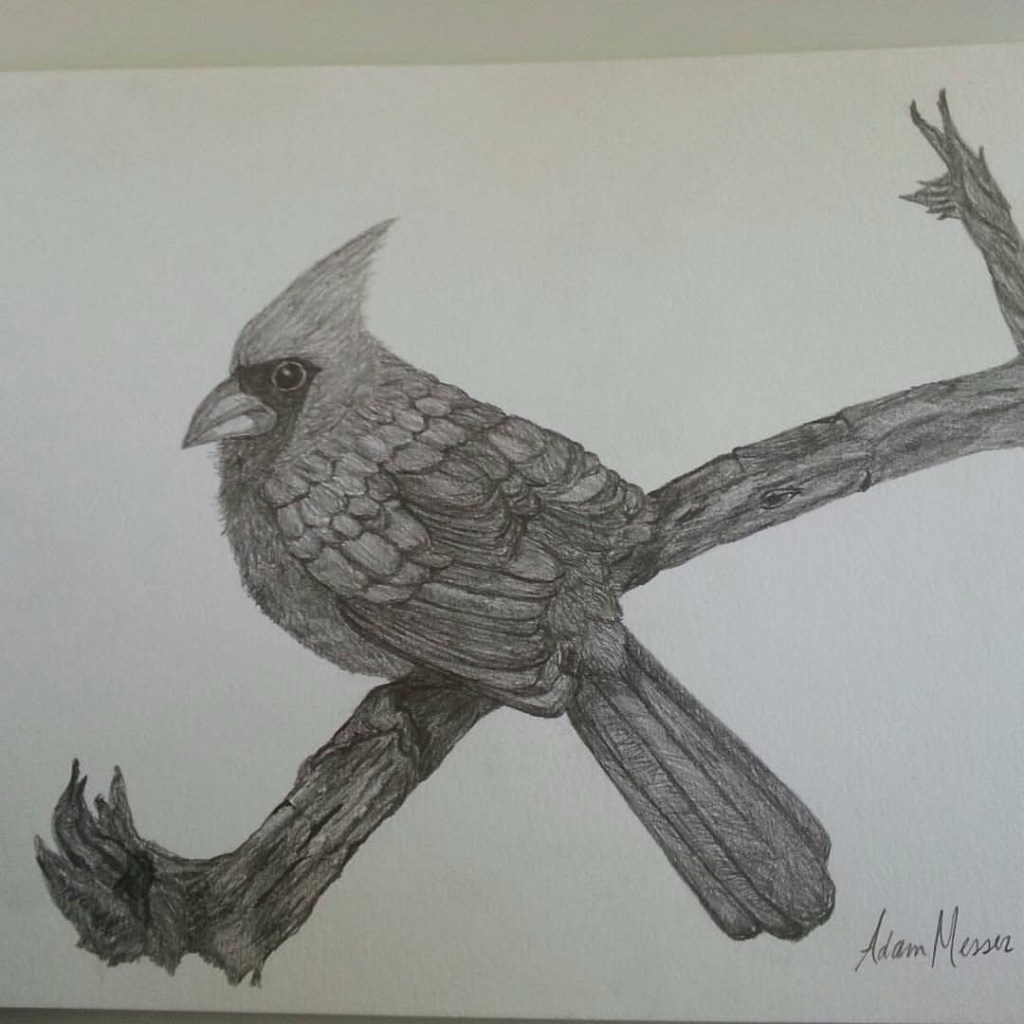
  • Art is subjective

    Art is real

    Ugly can be art

    Beauty can be art

    Art is observed

    Art is created

    Art moves

    Art stands still

    All art does one thing

    Simultaneously with all art

    And stands alone

    Art feels

    And makes you feel

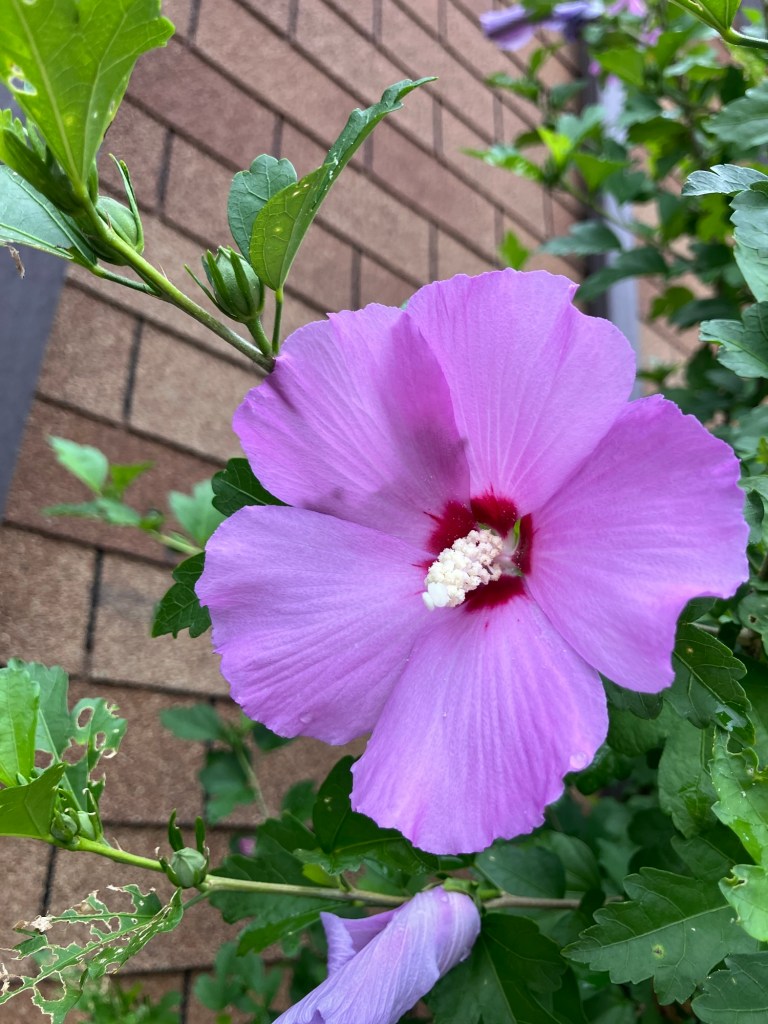
  • Flowers in the garden

    fall one by one

    they once bloomed so beautifully

    in the early morning sun

    filling the air

    with lovely scented perfume

    a marvel to see

    rich landscapes of red and pink 

    return to the place 

    of which they belong 

    now only in my heart 

    can I hear their song

    © 2025 Adam Messer. All rights reserved.

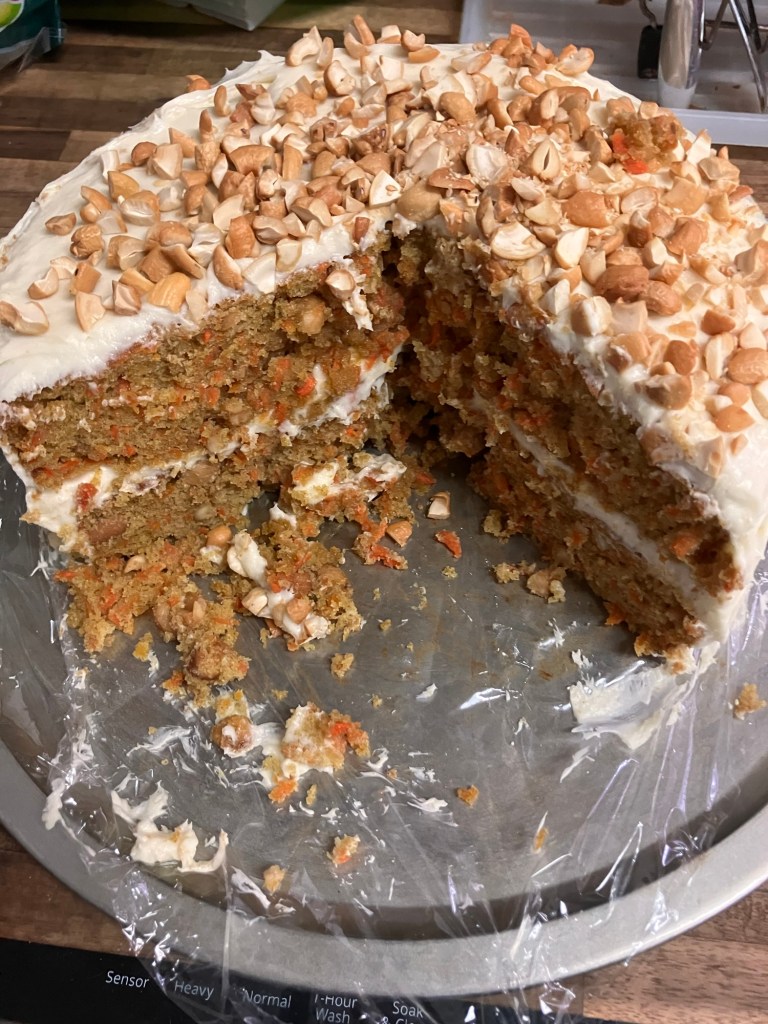
  • Writing is a lot like baking a cake.

    First you have the recipe and you had to gather the ingredients. Then you need to mix everything together in the right proportions, prepare the baking dish, and heat up the oven.

    Then you need to bake the cake and prepare the icing.

    After the cake is ready, you need to let it cool down before you put the icing on.

    And then you wait some more to let it set up and be ready to serve as a dessert.

    Writing takes preparation as well. The story doesn’t write itself. You do, word for word.

    And when you have written the story, you need to let it settle for a little while and then start the editing/rewriting process.

    And then when you have it polished, you let it settle some more to wait for the icing.

    Once you feel comfortable with the final story, publish it.

    Put it out there.

    Give it to the world.

    Some people don’t like carrot cake.

    Some people love it.

    Some folks will not like your story, while others will love it.

    Keep writing and give it your best!

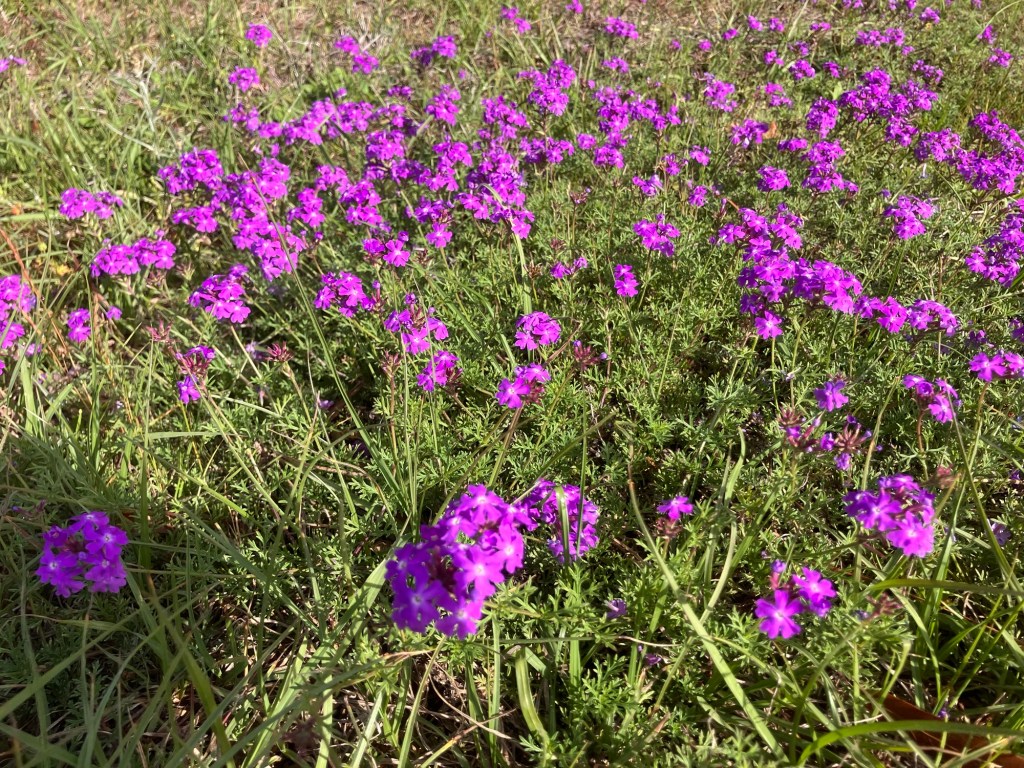
  • I took this photo from the side of the road. Our truck completely shut off and would not turn on.

    Turns out it needed an alternator and new battery.

    While I was waiting, I saw this batch of flowers and thought how nice they looked, so I took a photo.

    This reminds me of how inspiration comes from life around us all.

    Simple.

    Pure.

    Flowers growing and showing up in my life unexpectedly and at a good time.

  • Hello and welcome!

    I have been seeing a lot of AI content and covers.

    I’m not interested in AI content.

    It’s not art and it’s not a book. It’s content.

    I wish we could turn off all AI content as a preference.

    Oh yeah, we can. We can simply choose not to engage with it when we see it.

  • https://actionpulp.com/interviews/

    Please enjoy interviews with dozens of authors, artists and entertainers.

  • When once you flew high

    Now your wings are broken

    Hush now

    And sleep well

    Do not cry for loss

    There is no more pain

    Because today is no more

    And tomorrow will never be

    By Adam Messer

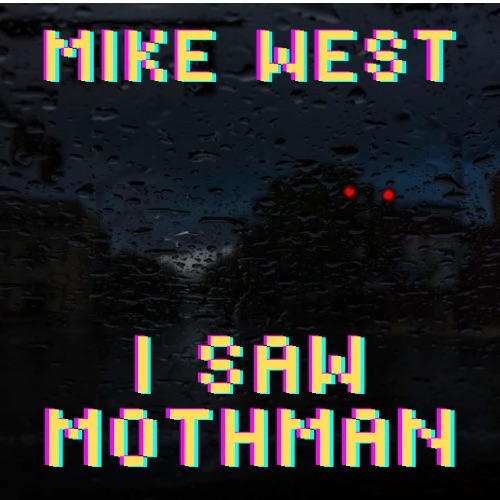
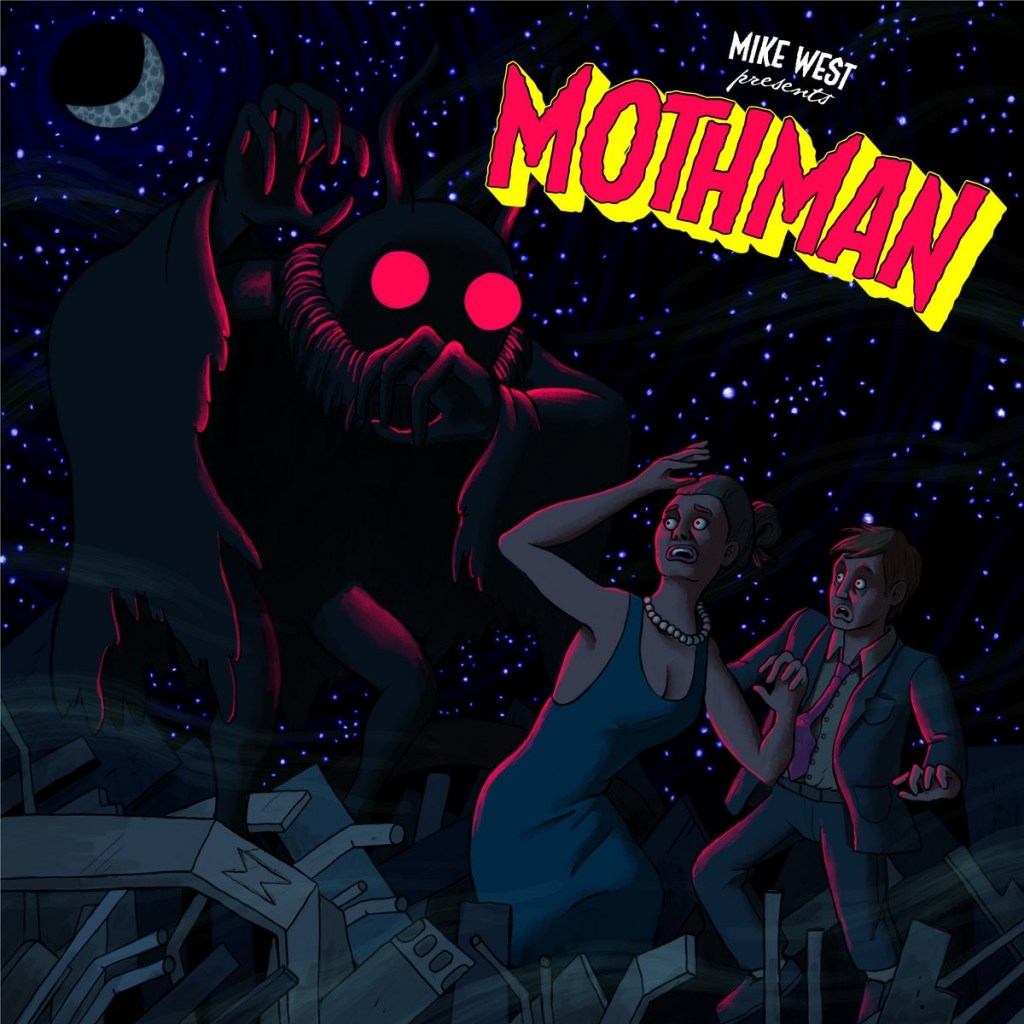
  • We recently interviewed Mike West and we are excited to share with you an exclusive behind the scenes look at I saw Mothman song.

    Coming soon!

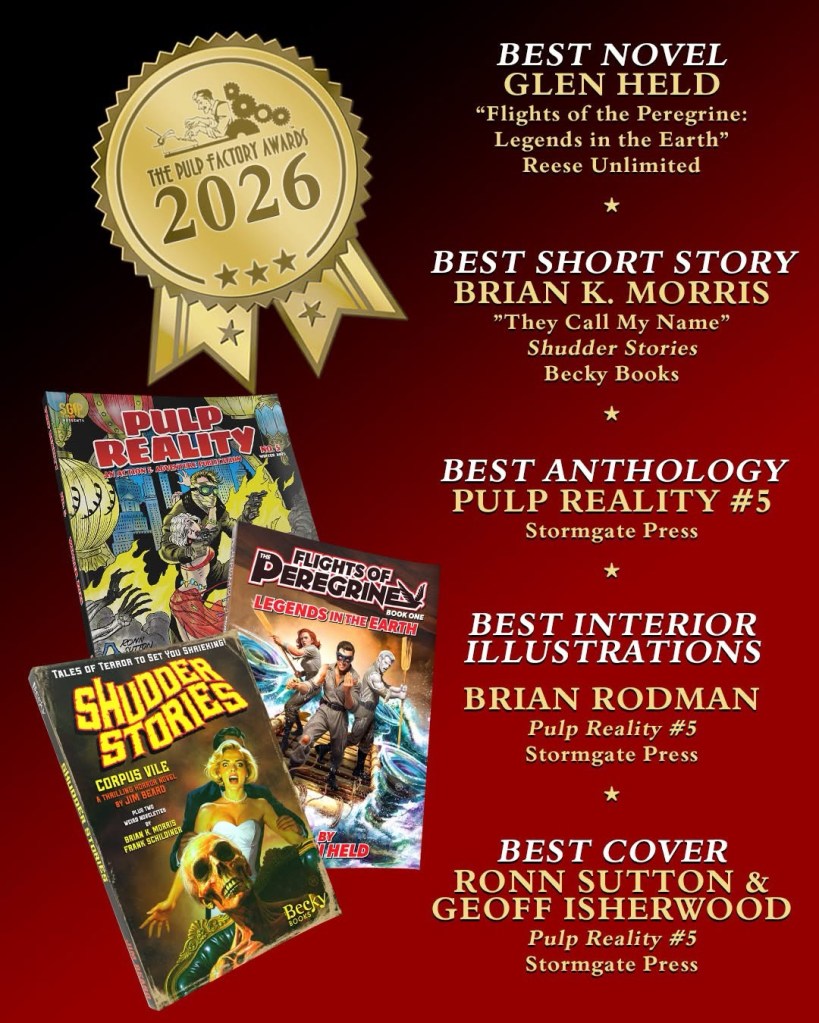
  • Congratulations to the 2026 The Pulp Factory Awards winners!

    “The Windy City Pulp & Paper Show was this past weekend in Chicago and we want to congratulate all the winners of the Pulp Factory Awards for the Best of 2025 in fiction and art!” – Ron Fortier.

    The Pulp Factory is a group of Pulp Fiction authors and artists who support and promote New Pulp.

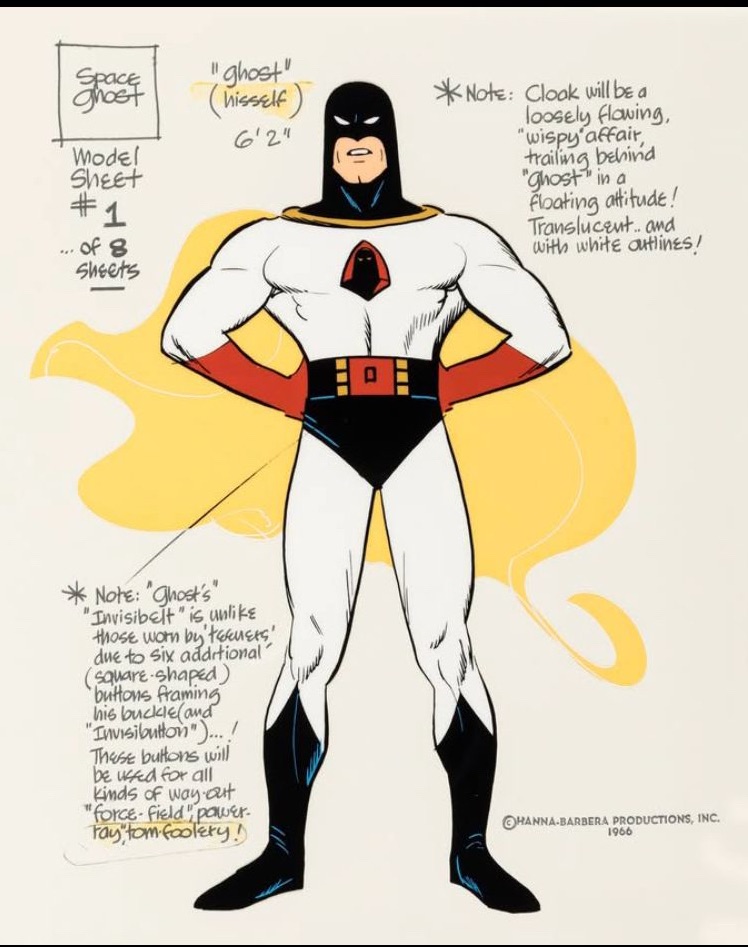
  • One of my favorite superheroes is Space Ghost. I used to love watching the Space Ghost show and came across this online.

    Who are your favorites?

  • Flow

    By Adam Messer

    © 2026 Adam Messer. All rights reserved

    When the world melt away

    And it is you

    Sitting with pen in hand

    Writing

    The page becomes alive

    As the story begins to

    Flow

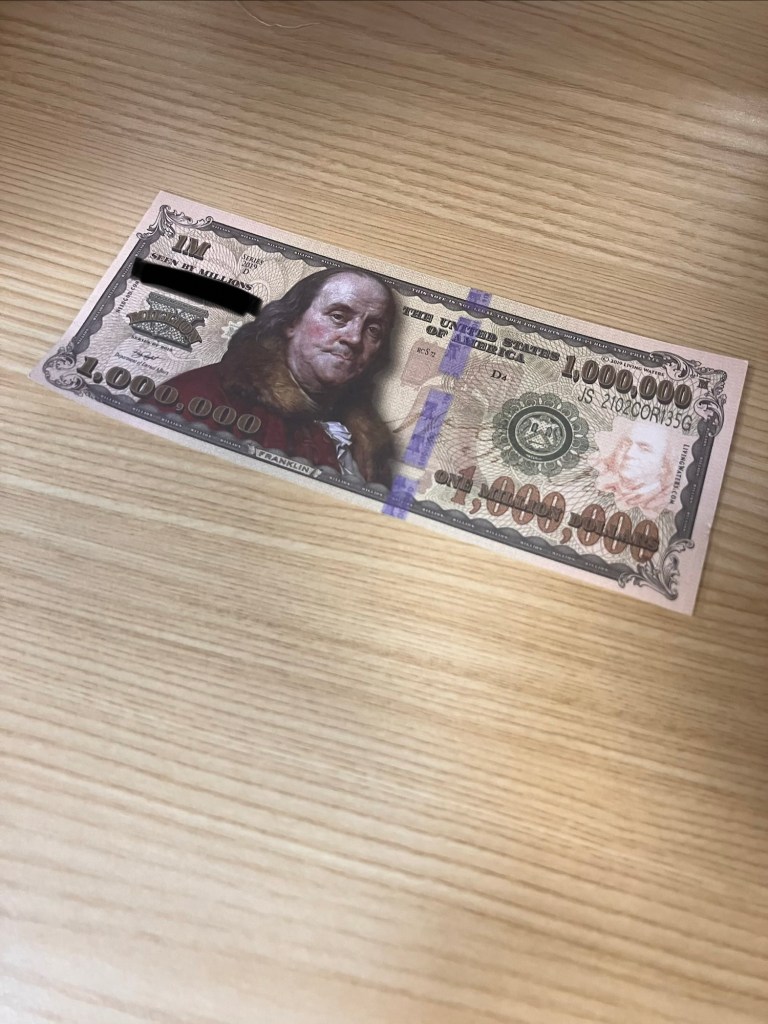
  • I saw this fake bill today while shopping for groceries. I didn’t touch it, but I took a picture because I have seen this sort of thing online, but never in person. The posts I have seen online warn of the scam, potentially having been contaminated with illegal and dangerous chemicals. Ultimately a harmful scam.

    They try to lure you in by grabbing your attention because it looks like real money from a distance. By the time someone realizes it is fake, the harm is done.

    This is the same with scammers targeting creators. There are lots and lots of scammers who target authors daily making false promises. They often use flattering compliments through email to try and lure someone in to the scam.

    Caveat emptor. Buyer beware.

    If it sounds too good to be true, then it is. With more and better technology available, scammers cast a wide net to catch unsuspecting people.

    They also impersonate individuals from legitimate companies. Often they will spoof the company’s logo and name to make it appear that it is legitimate. It is not.

    In addition to scamming, there are also various other “services” who sell the dream, yet do not deliver. Vanity publishers are a well known example of this.

    Educate yourself.

    Stay safe and be well!

  • John L. French

    By Adam Messer

    “You start writing with an idea in your head and very often you find that where you end up isn’t where you thought you were going.” – John L. French.

    (more…)
  • The Story

    By Adam Messer

    Once upon a time, in a far away land, lived a simple young man who dreamt of traveling the world and painting what he saw along the way.

    How many stories start with humble beginnings?

    “Give ‘em what they want and give it to ‘em real good!” – Dr. David Taylor.

    My professor Dr. David Taylor was talking about the audience when he said this. It has stuck with me ever since.

    We all crave a good story, and we love telling our own stories. As a storyteller, I enjoy stories about people who become the object of some kind of obstacle and overcome through transformation despite having little to no resources or experience at first. Transpiring through the process of their journey and coming out on the other side as the same person, yet different; renewed hope and changed in a fundamental way.

    Once you know something, you may forget it, but you will never learn about it again for the first time.

    I once heard the audience, or the reader, wants something new and different, but the same familiar story. Tropes, the hero’s journey, the story arc; call it what you will.

    Ultimately the story proceeds through from the start, to the middle, and then to the end. Whatever may come.

    To say one has an original idea is to say one created the water of the sea, or the stars in the night’s sky. Nothing is new. Nothing is original. Nothing is avant-garde. Everything is washed out and overplayed.

    I do not agree with this philosophy because creating art is not simply a system of design, it is an expression of life. The personal lens which the creator uses encompasses their life experiences including a range of pre-determined circumstances based on social, political and economic conditions of the time period of their lives and the medium available to them.

    To say nothing is new is one perspective which holds little truth, yet it may be that person’s experience, meaning it is an absolute truth to them.

    Storytelling is innate to all human beings, and while they may use a variation of a previous work, an inspiration from one’s work from another creator, their story is as new as any other story.

    The nuance of interpretation makes the story new.

    The novelty comes when someone masterfully captures a new story using familiar imagery where the audience not only embraces the characters, but also invites them to feel as part of the story. Whether they feel like they are the character, or like they have witnessed the story first hand, the story offers a connection from one person to another.

    This is the magic of storytelling. Human connection. Overcoming tragedy. Learning, growing, sharing; life is our own story. One worth telling.

    And they lived happily ever after.

    The end.

  • Yesterday I came across a Paid review group online. Third party group paying for reviews left on the major market platform.

    As an author and publisher, I had heard of people paying for reviews, but I had never seen it in the wild.

    First of all, I’m not going to post the name of the group. But I took a look around and I was shocked to find people posting about signing up to review books, and getting paid for their reviews. They had to sign up through the service, select a book to review, and had to submit a link to their review in order to get paid.

    Several people posted they were not able to leave reviews, to which replies stated their account might be too new.

    One person posted their major market account was flagged and no longer able to leave any reviews.

    One person posted their account was banned from the third party and didn’t know why. Someone replied it was because they named the third party in the major market review, and stated the third party requirements was to only leave a 5 star review in the review. They left a 4 star review. A few comments were stating along the line of ruining it for everyone else.

    The whole sham and shame of this is rigging the system. Leaving a review as a paid reviewer is dishonest and misleading.

    Sadly, there are a lot of predatory scams out there who operate like this. Shame on them.

    It takes two to tango. Three really. The “readers” who leave reviews and are getting paid should disclose it is a paid endorsement, just the same with any other advertising. Essentially they are misleading other consumers into believing they left a review in good faith.

    And the “authors” who pay for this service are doing an injustice to themselves and others.

    Enough of that.

    I have never paid for a review, and never will. I have given away promotional copies of my books, review copies, and ask them to leave an honest review if they would like to do so.

    But I will never pay anyone for a review. Ever!

  • Barbara Mostella-Oliver

    By Adam Messer

    “In my opinion, the most memorable characters, whether good or bad, are those who feel real enough that readers can imagine them existing beyond the pages of the book.” – Barbara Mostella-Oliver.

    (more…)