
By Adam Messer
“In my opinion, the most memorable characters, whether good or bad, are those who feel real enough that readers can imagine them existing beyond the pages of the book.” – Barbara Mostella-Oliver.
Please introduce yourself.
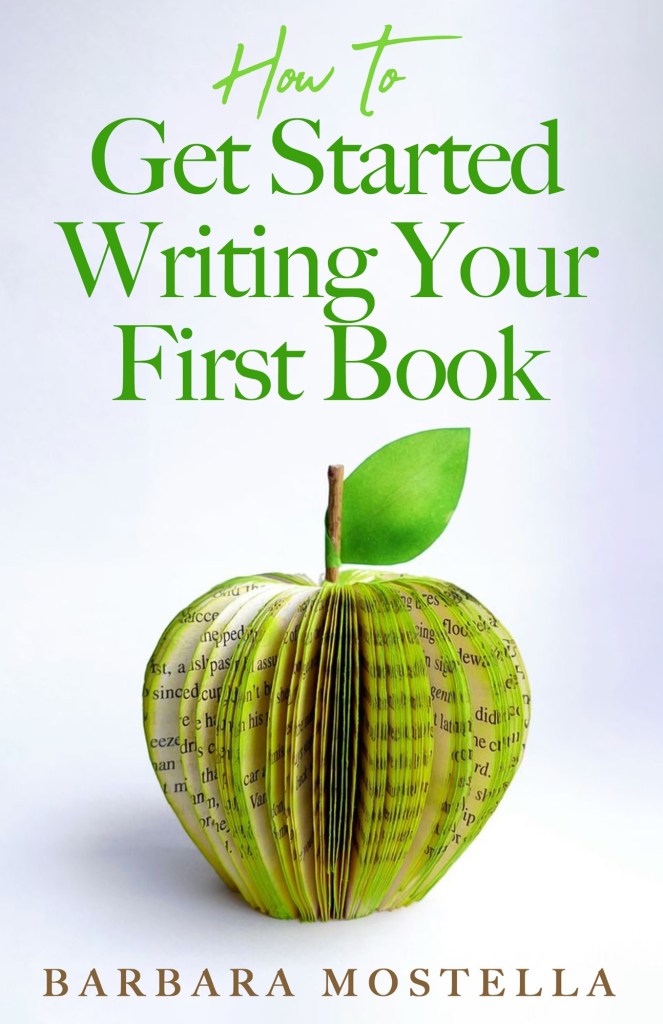
My name is Barbara Mostella-Oliver, and I am a Georgia-based author who writes both fiction and nonfiction. I am the author of the mystery and suspense series ‘Who Would Have Thought’, as well as the nonfiction guide ‘How to Get Started Writing Your First Book’, which encourages aspiring writers to begin their own storytelling journey. When I’m not writing, I enjoy reading, traveling, playing pickleball, and exploring new ideas for future books.
What genres do you write and why?
I write both fiction and nonfiction. My fiction mainly falls within the mystery and suspense genres because I enjoy crafting stories that keep readers engaged and guessing what will happen next. I’ve always loved reading mystery and suspense novels myself, and many talented authors in that genre inspired me to start writing my own stories. One of my favorite authors was Stuart Woods, whose storytelling and suspenseful plots I greatly admired. Besides fiction, I also write nonfiction to support aspiring writers who might have always wanted to write a book but didn’t know where to start. My goal is to entertain readers through storytelling and inspire others to share their own stories.
What is your earliest memory of reading?
One of my earliest memories of reading was my fascination with the newspaper. As a child, I enjoyed exploring different sections and learning about what was happening in the world around me. Today, that might seem unusual since many newspapers have transitioned to digital or audio formats, but back then it opened my eyes to many possibilities. Through those pages, I started learning about various careers and opportunities, which helped me begin thinking about what I wanted to study in college. I knew I wanted a career that would let me support myself and help my mom. Looking back, those early reading experiences played a key role in shaping both my curiosity about the world and my love for the written word.
When did you know you wanted to write? How did it happen?
About a year before retiring from my professional career, I realized I wanted to write a book. For many years, I had the desire to write and even had notes for my first book, but my responsibilities as a Program Manager at the Department of Defense left me no time to focus on it. My job involved a lot of report writing, Program documentation, performance reviews, budget development, and detailed communications, so writing was always part of my professional life. As I read books by other authors over the years, including some bestsellers, I began to feel I could write stories just as well, if not better, thanks tomy extensive writing experience. As retirement neared, I finally had the time to pursue that goal, and that’s when my journey as an author truly began.
What’s one of your favorite scenes in one of your books?
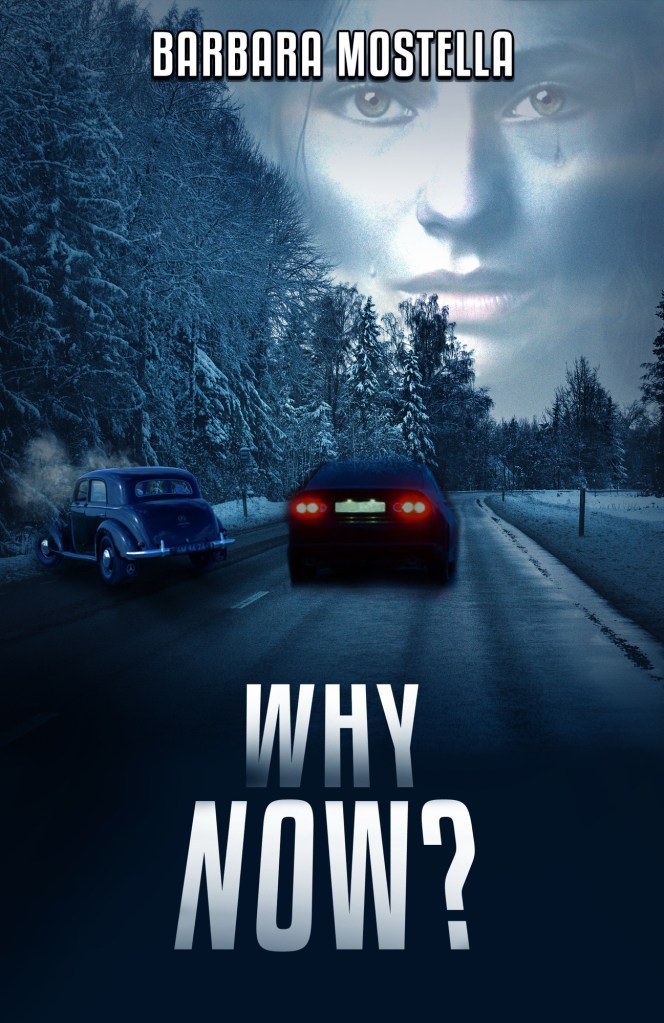
One of my favorite scenes appears in the first chapter of my third book, Why Now, from the Who Would Have Thought series. The chapter is titled “What Happened,” and it takes place in a hospital where the main character, Alphonso, awakens from a four-day coma. As he slowly regains consciousness, he is confused, in pain, and struggling to understand what has happened to him. His memories are blurry, and the only clear thought in his mind is the question, “Why me?”
I enjoy this scene because it immediately immerses the reader in Alphonso’s experience and establishes the tone for the mystery that unfolds throughout the story. Losing one’s memory, even temporarily, can be heartbreaking, and this moment captures the vulnerability and uncertainty he faces as he starts trying to piece together what happened to him.
What makes a good character? A bad one?
A good character is someone readers can relate to or understand, even if they are not perfect. Real people have strengths, weaknesses, and moments of doubt, so strong characters should show that same complexity. When readers can see a character’s motivations, struggles, and growth, they become invested in what happens to that person throughout the story.
One reason the “Who Would Have Thought” series continued beyond the first book is that it was originally intended as just a single novel, but readers became very attached to the main character and wanted to find out what happened next. Their curiosity and connection to the character motivated me to keep the story going.
A poorly developed character, on the other hand, is one who feels unrealistic or flat. If a character lacks depth, clear motivation, or behaves in ways that don’t make sense within the story, readers may lose interest. Even villains should have believable reasons for their actions. In my opinion, the most memorable characters, whether good or bad, are those who feel real enough that readers can imagine them existing beyond the pages of the book.
What moves the story for you?
What drives the story for me is curiosity, both mine as the writer and the readers’, as the story unfolds. I enjoy crafting situations where a character tries to understand what happened and why, which naturally encourages the reader to keep turning pages to find the answers. In mystery and suspense stories, especially, every clue, decision, and unexpected twist helps move the story forward.
For me, the story is also driven by the characters themselves. As they face challenges and make decisions, those moments shape the plot’s course. When characters feel authentic, and their motivations are clear, their journey naturally moves the story from one point to the next.
What is your favorite book and why?
One of my favorite books is New York Dead from the Stone Barrington series by Stuart Woods. I have always enjoyed the way he created the character Stone Barrington and placed him in suspenseful situations that keep readers engaged from beginning to end. His storytelling style, strong characters, and well-paced plots made his books very enjoyable to read. As someone who writes mystery and suspense, I admired how he kept readers curious about what would happen next while developing memorable characters throughout the series.
What do you want to say to your audience?
What I want to tell my audience is to never give up on the idea of writing your story. Everyone has experiences, ideas, and imagination that can turn into a meaningful book. Sometimes people hold back from writing because they feel they lack the time, knowledge, or confidence to start. I understand that feeling because my own writing journey didn’t begin until later in life when I finally had the time to dedicate to it.
If writing is something you have always wanted to do, take the first step and begin. Your story may inspire, entertain, or encourage someone else in ways you may never fully realize.
What advice do you have for new writers?
My advice to new writers is to simply begin. Many people spend a lot of time thinking about writing a book, but never take the first step because they feel overwhelmed or unsure about where to start. Writing does not have to be perfect in the beginning. The important thing is to get your ideas down on paper and let your story develop.
I would also encourage new writers to read often, stay curious, and be patient with the process. Writing a book requires time, discipline, and persistence. Most importantly, believe that your story matters. There is always someone who will be encouraged, inspired, or entertained by what you have to say.
Do you have anything else you would like to add?
I would simply like to add that writing has been a very rewarding journey for me. What began as an idea I carried for many years eventually became an opportunity to create stories that entertain readers and encourage others to begin their own writing journey. It is never too late to pursue something you have always wanted to do.
I am grateful for the readers who have supported my Who Would Have Thought series and for those who have found encouragement in my nonfiction book about starting to write. My hope is that my books will continue to inspire curiosity, imagination, and the courage for others to tell their own stories.
One personal belief that guides me in both life and writing is my motto: “Don’t let anyone set the tone for your day except you and God.”
Website: www.barbaramo08.com
Subscribe to my newsletter on my website.
Facebook: Barbara.Mostella.1
Instagram: barbmostella_author
Email: mostella1914@gmail.com
Thread: barbmostella_author
 Action Pulp!
Leave a comment