January 27, 2026
By Adam Messer
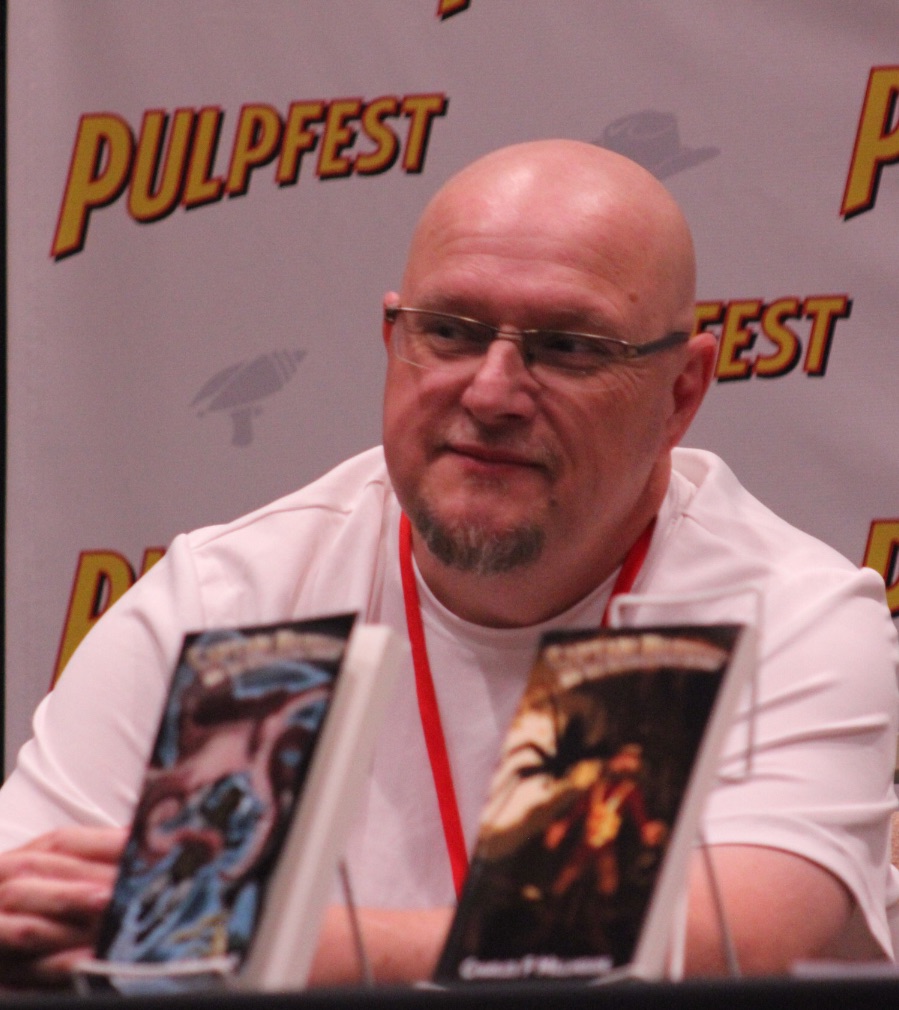
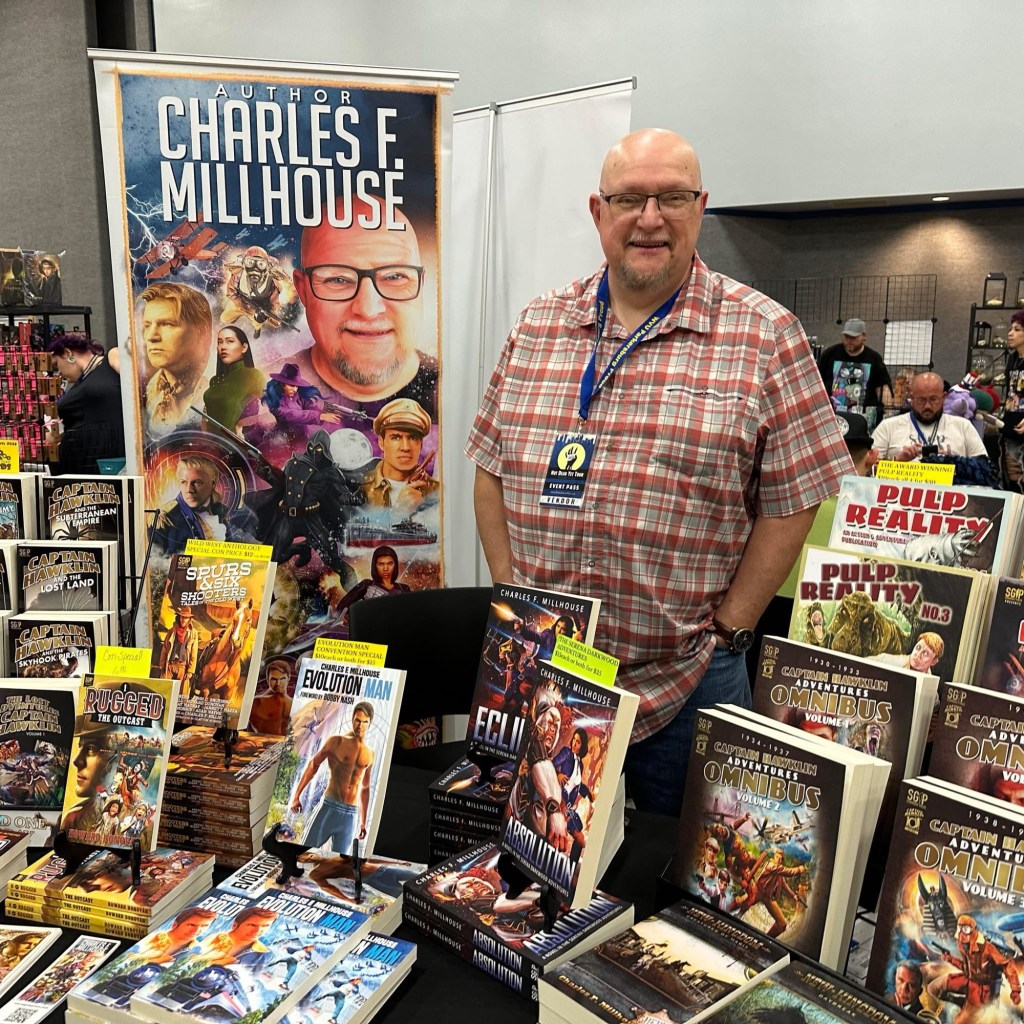
Charles F. Millhouse is an action adventure pulp fiction author and publisher who overcame struggling reading as a child to writing over 40 novels, short stories and more.
Please introduce yourself.
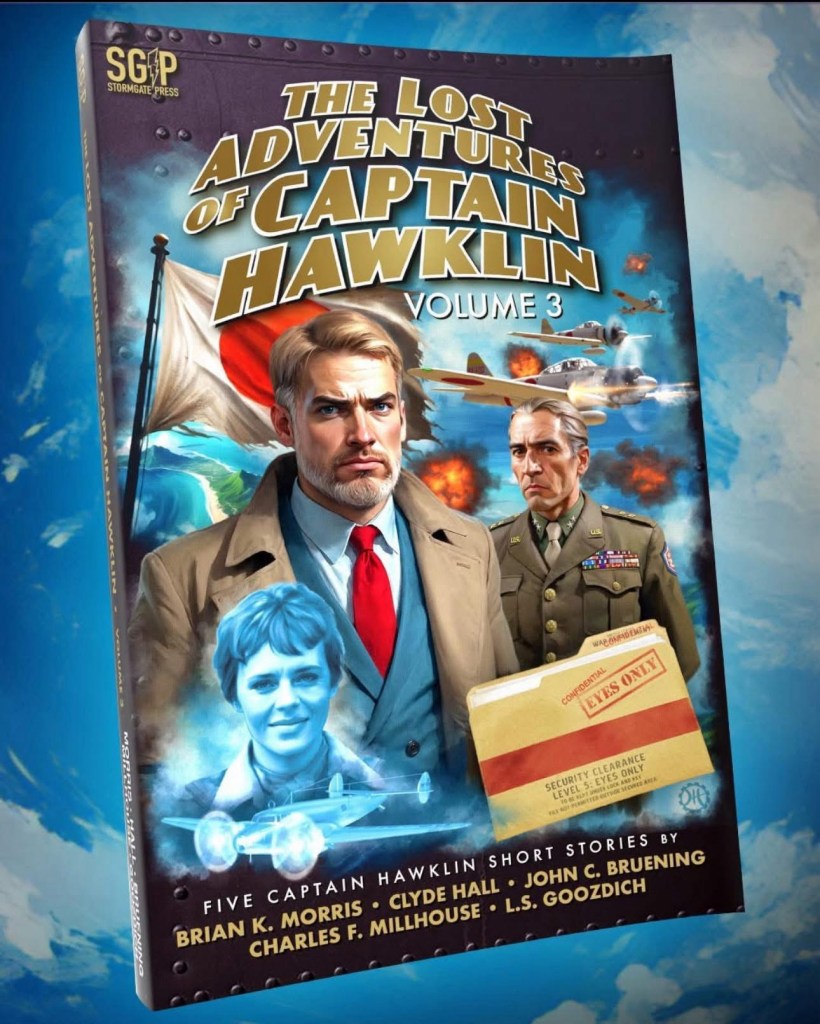
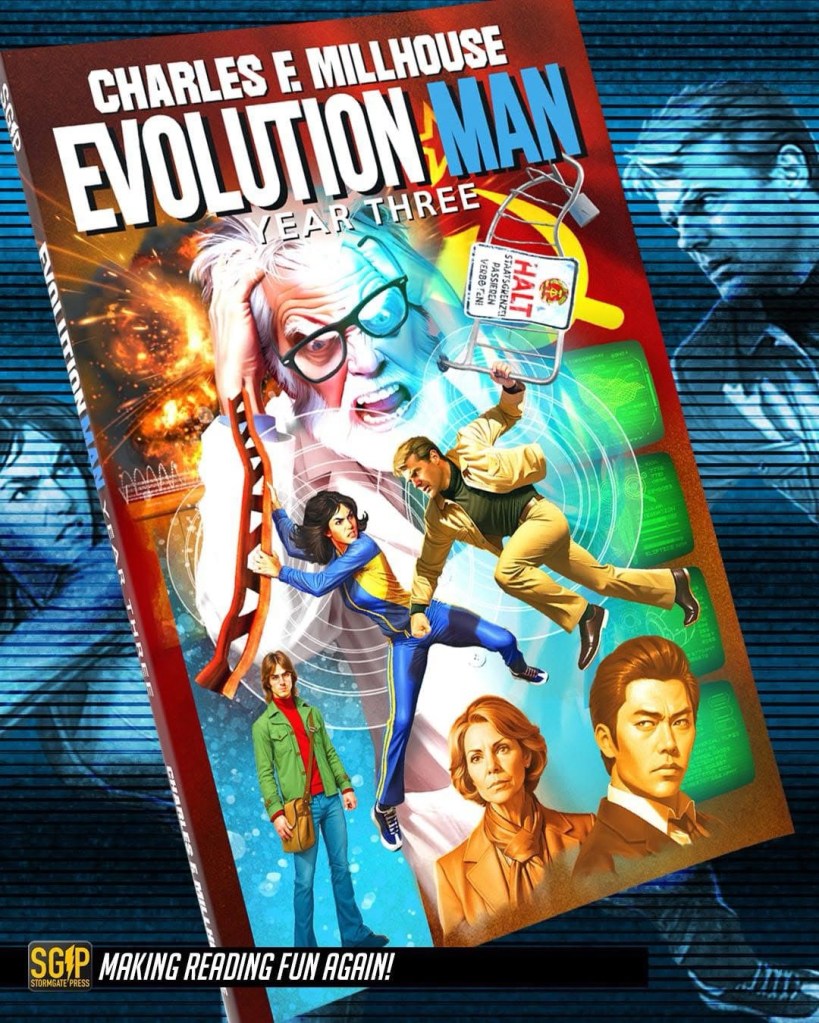
My name is Charles F. Millhouse. I’m a writer, publisher from Ohio. I write mostly novels and short stories. I’m known for writing pulp adventure stories, most notably the Captain Hawklin Adventures, but I’ve also written some science fiction and supernatural books as well. To date I’ve written and published 40 novels including nine anthologies that showcase other writers in the pulp field, I’ve also written somewhere around 30 short stories, with much more to come. I first published in 1999, and I haven’t looked back.
What genres do you write and why?
That’s a hard question to answer. In a lot of ways, it’s what I’m working on at the moment, and in most cases it’s New Pulp fiction, but my one true passion has been science fiction.
I’ve written in several genres from Sci-fi to Westerns, so I’m all over the place. It’s hard to narrow it down.
What is your earliest memory of reading?
I struggled to read when I was younger. I wasn’t very good at it in school, and I didn’t care much for it, that is until I stared reading comic books. Spider-Man is my favorite, still is. Reading comics turned me on to other works and before I knew it I was reading works by writers like, William F. Nolan, Michael Moorcock and Frank Herbert. DUNE is my all-time favorite novel. I’ve read it every summer since I graduated high school in 1983. Herbert is one of those writers that I inspire to emulate.
When did you know you wanted to write? How did it happen?
After a few years of reading comics, I started to write down ideas of stories I thought would be interesting. Pitting Thor against Mr. Mxyzptlk, that kind of thing. Then I started creating my own stories, and my own characters, and I would tell them verbally to a friend of mine. We would spend hours in the evenings during the summer coming up with stories. Interesting plots, or worlds or “what if” kind of scenarios. My friend persuaded me to start writing my stories out, and for a lot of years I tried to copy the writing styles of my favorite authors, until I found my own voice. The idea of writing wasn’t something that came to me over night, it was a slow progression. My wife bought me a typewriter (we couldn’t afford a computer when we first got married), and for a lot of years that’s what I wrote on until I got a PC.
Writing for me was like nurturing a plant and watching it grow, and it took time for it to grow, but I’m glad I never gave up on the craft.
What’s one of your favorite scenes in one of your books?
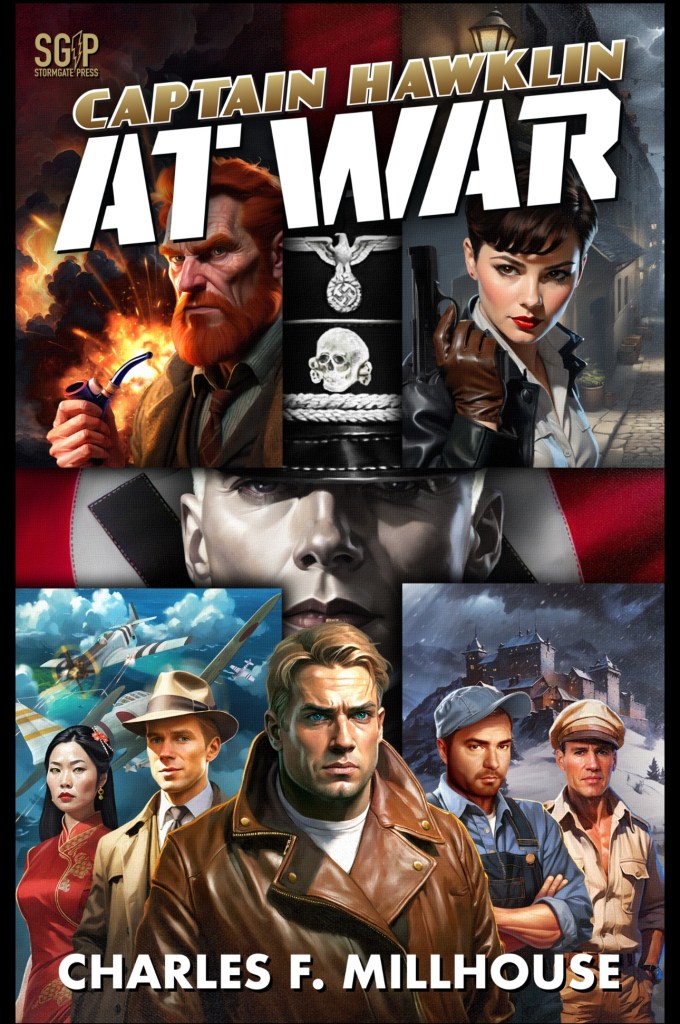
There is so many scenes that I enjoy, but to sit here and choose one, the scene that keeps coming to me is from my WWII novel, “Captain Hawklin at War”. It’s a scene where one of my main characters, Hardy Miller is penned down by a sniper in a French town after D-Day. He manages to kill the sniper, but realizes the shooter was only a kid. Hardy gave, what I’ve been told is a power speech about war. It’s one of my favorite things I’ve written.
What makes a good character? A bad one?
A good character feels like they’re real, even if they live in a world that isn’t.
They usually have a clear want of what they are after. A need to learn to grow to push the story forward. They must be prepared to face what gets in their way and they must have flaws… people in general have flaws and so must a good character. Flaws are important in both the protagonist and antagonist in your story. The best characters make choices that feel inevitable for who they are, even when those choices are messy or painful.
A good character also has contradictions. Brave, but insecure. Loyal, but tempted. Charming, but capable of cruelty. Those tensions create depth, and depth creates curiosity. Readers keep turning pages to find out what they’ll do when pushed.
Finally, a good character changes, or they refuse to change, and pay for their choices.
Either way, they leave the story different than they entered it, mostly because the pressure of the plot forced them to reveal what they’re really made of or afraid of.
A badly written character doesn’t feel like a person, they feel like a device. They do things because the plot needs them to, not because their choices make sense, and their personality shifts scene to scene without anything to justify what their after. Instead of having clear wants and fears driving them, they drift through the story reacting to events, rarely making decisions that truly shape what happens next. If a reader can guess their next move, then you’ve lost them, and they’ll put your story down. It’s a hard thing to keep a handle on if you’re not careful.
What moves the story for you?
Solid characters. You can have a good story, but if you don’t have solid characters within that story, it can fall flat. You want to make your reader feel for your character, you want the reader to feel pain, sorrow, love and loss. You want them to hate a character if they are despicable or love your character if they are right and just in their cause.
What is your favorite book and why?
I said earlier that my favorite book is Dune. It’s a story of betrayal, honor, and loyalty, but it’s also a story about corruption, especially when it comes to Paul. In his mind, everything he does is meant to avenge his family, but somewhere along the way, he starts to lose the very path that once defined him. By the end, I think we can still sympathize with Paul, even if we don’t fully understand him.
It’s also a story about blind devotion, what people will do when they refuse to see flaws in their heroes, and don’t even want to try. It’s political, layered, and unsettling in the best way, showing how power can shape people just as much as people shape history.
What do you want to say to your audience?
For those who have read my work and keep coming back, thank you. It really means a lot to me. For those who don’t know who I am: Welcome. I hope you’ll find what I do enjoyable. My wife always asks me: “What does it feel like to have fans?” But I don’t look at it like that. I’m just a guy who tells stories, and that’s what I have, people who enjoy my stories. It humbles me to think there are people who look forward to my next book, it really does. If you would have told me that in the beginning, I would have had a good laugh.
But seriously, it makes me feel good, and I truly appreciate those who keep coming back.
What advice do you have for new writers?
The best advice I tell people is to read. But also, to write. Write even when you don’t feel like it. Don’t worry about if its good or bad, just writer. You can always edit bad writing, but you can’t edit a blank page. I have always followed this code: I’m a better writer today than I was yesterday, and tomorrow I’ll be a better writer than I am today.
Do you have anything else you would like to add?
I appreciate the opportunity of the interview. I’m a bit of an Introvert at times, but once I get started you really can’t turn me off, lol. I enjoy talking about my characters, and my writing process.
Website:
https://www.choosetheadventure.net
Subscribe to our newsletter for updates and more!
 Action Pulp!
Leave a comment