
By Adam Messer
“Leadership is not always easy, and it is certainly not always comfortable. Challenges, conflict, and difficult decisions are part of the role. However, effective leaders equip themselves to face those challenges directly rather than avoiding them.” – Gwendolyn Nadean Mathews.
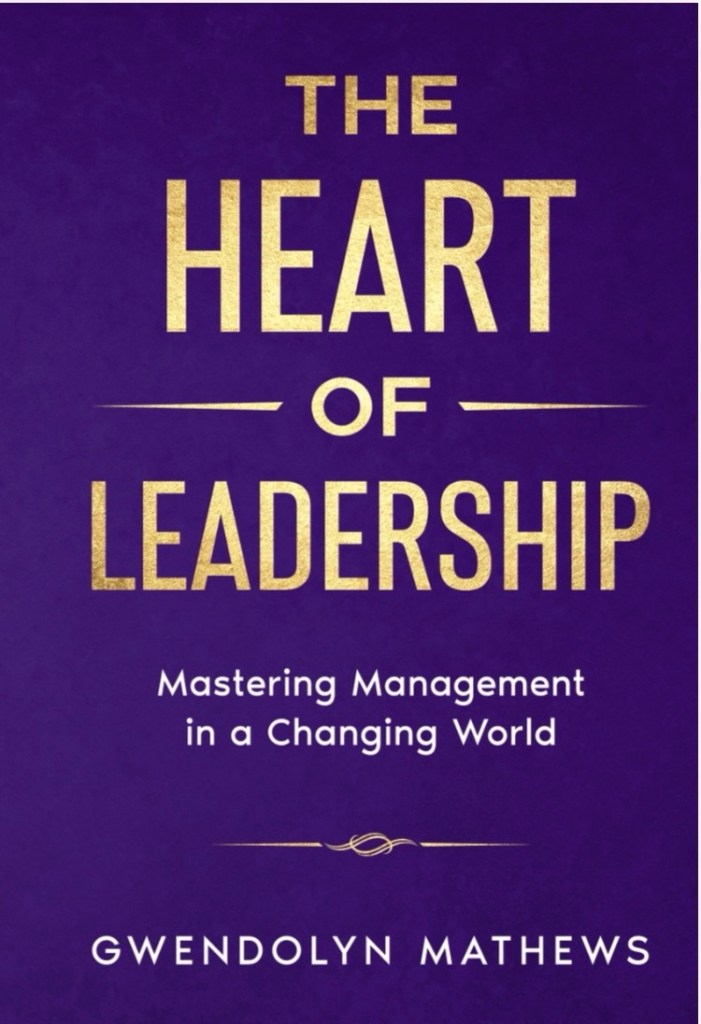
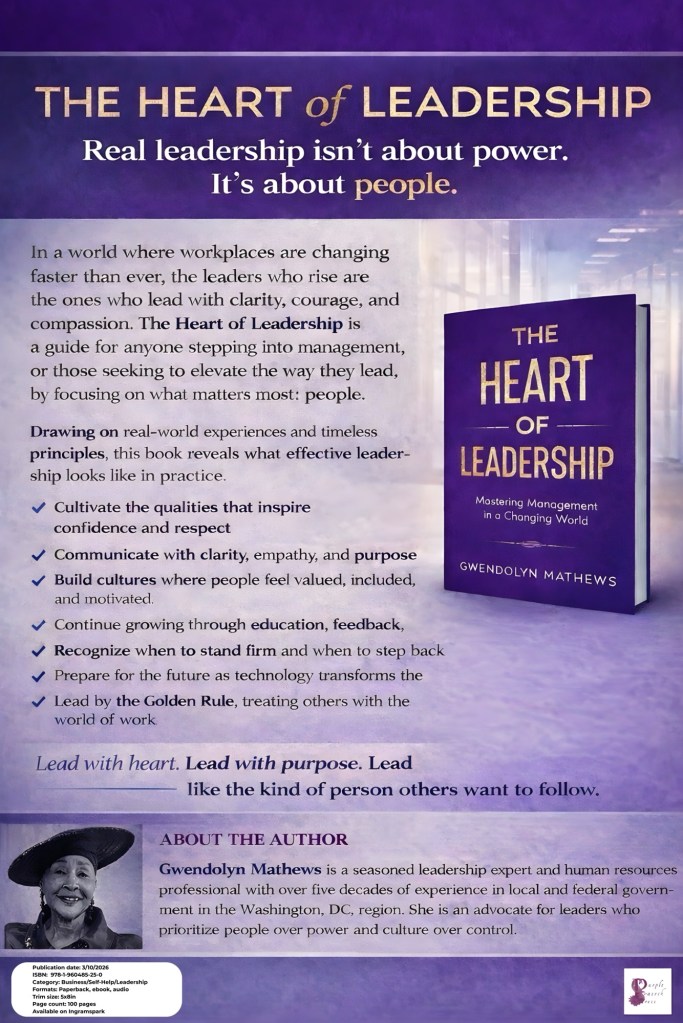
Gwendolyn Nadean Mathews underscores the meaning of leadership in her new book The Heart of Leadership: Mastering Leadership in a Changing World.
Please introduce yourself.
My name is Gwendolyn Nadean Mathews. I was born and raised in Pittsburgh, Pennsylvania, where I spent my childhood and early adult years before relocating to Northern Virginia to pursue a career with the Federal Government.
I am the proud mother of one daughter and one son, and I am blessed with seven wonderful grandchildren.
I retired from the Federal Government in 2008 after a distinguished 28-year career in Human Resources and personnel management. Over the course of my career, I worked under many leaders before eventually serving in leadership roles myself. Through those experiences, I witnessed both exceptional leadership and leadership that fell short of what employees and organizations truly need.
Those experiences inspired me to write my book. My goal is to provide practical guidance for leaders and aspiring leaders, while also encouraging those considering leadership roles to honestly reflect on whether leadership is truly their calling.
What genres do you write and why?
My writing focuses on leadership and personal development.
Throughout my career, I observed individuals placed in leadership roles who were intimidated by the responsibilities that came with managing people. When problems arose, some avoided addressing them because they were uncomfortable with confrontation or difficult conversations.
I often asked myself, why accept a leadership position if you are unwilling to lead?
Leadership is not always easy, and it is certainly not always comfortable. Challenges, conflict, and difficult decisions are part of the role. However, effective leaders equip themselves to face those challenges directly rather than avoiding them. My book speaks to that reality and encourages leaders to develop the courage, integrity, and clarity needed to lead effectively.
What is your earliest memory of reading?
My earliest memories of reading go back to my early school years. I have always enjoyed reading and had a particular interest in dramatic stories and biographies.
Biographies have always fascinated me because I enjoy learning about people’s lives—their struggles, achievements, and the journeys that shaped them.
When I begin reading a book, it must capture my interest quickly. If a book does not engage me within the first chapter or two, I tend to put it down. A compelling story should draw the reader in from the beginning.
When did you know you wanted to write? How did it happen?
One day while I was at work, an incident occurred that caused me to reflect deeply about leadership. I do not remember the exact details, but I remember thinking to myself, when I retire, I am going to write a book about leadership.
Although I retired in 2008, I did not complete the book until 2025. Over the years, I would start writing and then stop for periods of time. Eventually, I sat down at my computer and committed myself to finishing it—and once I started writing consistently, the book finally came together.
My book is concise, at approximately 13,000 words, because I am someone who believes in being clear and getting directly to the point.
What’s one of your favorite scenes in one of your screenplays/films?
One of the most recent series I watched was Bridgerton. I found one storyline particularly compelling, where the second Bridgerton son falls in love with a young woman working as a maid. In reality, she was not truly a maid but had been forced into that position because of a jealous stepmother.
What stood out to me was that her social status did not matter to him, although it mattered greatly to others who believed themselves to be of a higher class.
Despite societal expectations, the Bridgerton family treated her with dignity and respect. In the end, the story illustrates a powerful message—that love does not recognize social class and that every person deserves respect regardless of their circumstances.
What makes a good character? A bad one?
A good character is someone who demonstrates integrity, honesty, and authenticity. When portrayed well, that character becomes believable and relatable to the audience.
A compelling “bad” character can also be effective if the role is portrayed convincingly. Even if the character lacks integrity or moral grounding, the authenticity of the portrayal makes the character believable and memorable.
Ultimately, the strength of any character lies in how convincingly the role is presented.
What moves the story for you?
What moves a story forward for me is intrigue and engagement.
If a story captures my interest, I want to continue reading or watching until the very end to see how everything unfolds. A strong narrative creates curiosity and keeps the audience invested in discovering what happens next.
What is your favorite book and why?
Many of my favorite books were written by E. Lynn Harris. His books were so engaging that once I started reading one, it was very difficult to put it down.
He wrote about subjects that were just beginning to gain wider attention at the time, and his storytelling was both intriguing and thought-provoking. His work drew readers in and kept them engaged from beginning to end.
What do you want to say to your audience?
First and foremost, I want to say thank you to everyone who chooses to purchase and read my book.
What advice do you have for new writers?
To aspiring writers, I would offer this advice: stay true to yourself. Write with honesty, credibility, and consistency. Your voice and your perspective matter.
Do you have anything else you would like to add?
Know who you are, and know your subject. When you write from a place of authenticity and experience, your message becomes far more meaningful and impactful.
My hope is that this book will help develop thoughtful, courageous leaders who understand that leadership is both a responsibility and a privilege.
My hope is that The Heart of Leadership: Mastering Leadership in a Changing World will encourage both current and aspiring leaders to reflect on the responsibility that comes with leadership. Leadership is not simply about holding a title—it is about integrity, fairness, courage, and the willingness to serve others with honesty and respect.
Drawing from more than five decades of professional experience and a lifetime of observing leadership in action, I wrote this book to provide practical guidance and thoughtful insight for those who truly desire to lead well. My goal is that readers walk away not only with a better understanding of leadership, but also with a renewed commitment to lead with character, purpose, and compassion.
 Action Pulp!
Leave a comment