By Adam Messer
“One thing I learned from classic pulp fiction is plot-driven is my bread and butter. Sure, the past masters could slip a little characterization in there but it happened during a car chase or gunfight. Keep the story moving. Always!” – Andrew Salmon.
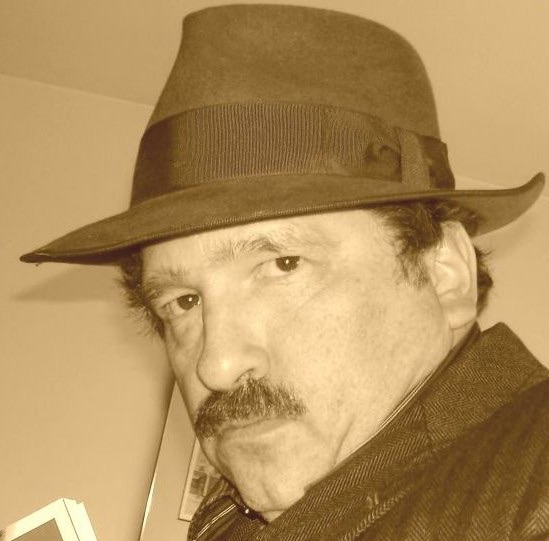
Andrew Salmon is a sleuth and pulp fiction writer who keeps the story moving with fast paced action.
Please introduce yourself.
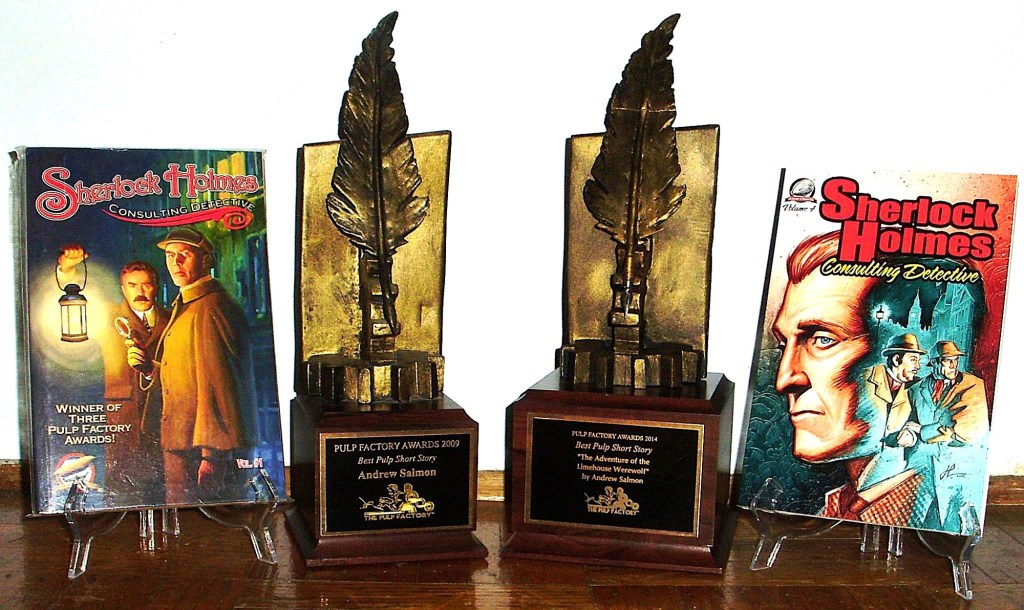
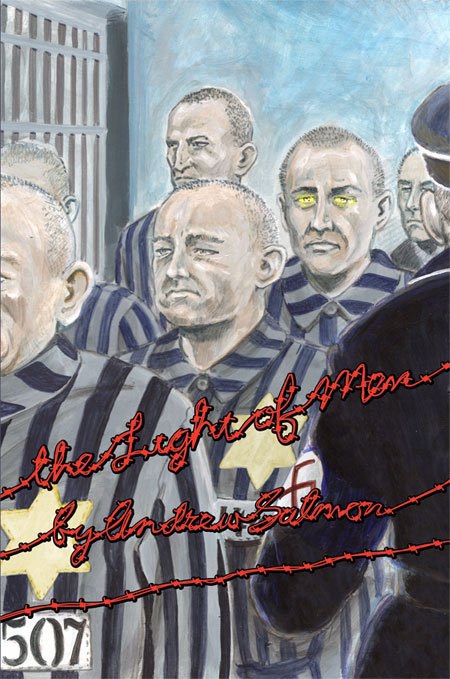
My name is Andrew Salmon. I’ve been writing/publishing pulp fiction in many forms for almost 20 years. My work has appeared in various magazines and I’ve worked with publishers such as Airship 27, Fight Card Books, Belanger Books, Saddlebag Dispatches and Pro Se Press to name a few. I’m mostly known for my Sherlock Holmes tales which have won a couple of awards along the way. A tale of mine was also nominated for the Arthur Ellis Award (the Canadian equivalent of the Edgar). My novel, The Light of Men was included in the Holocaust Memorial Museum Library in Washington, DC. I live and write in Vancouver, BC.
What genres do you write and why?
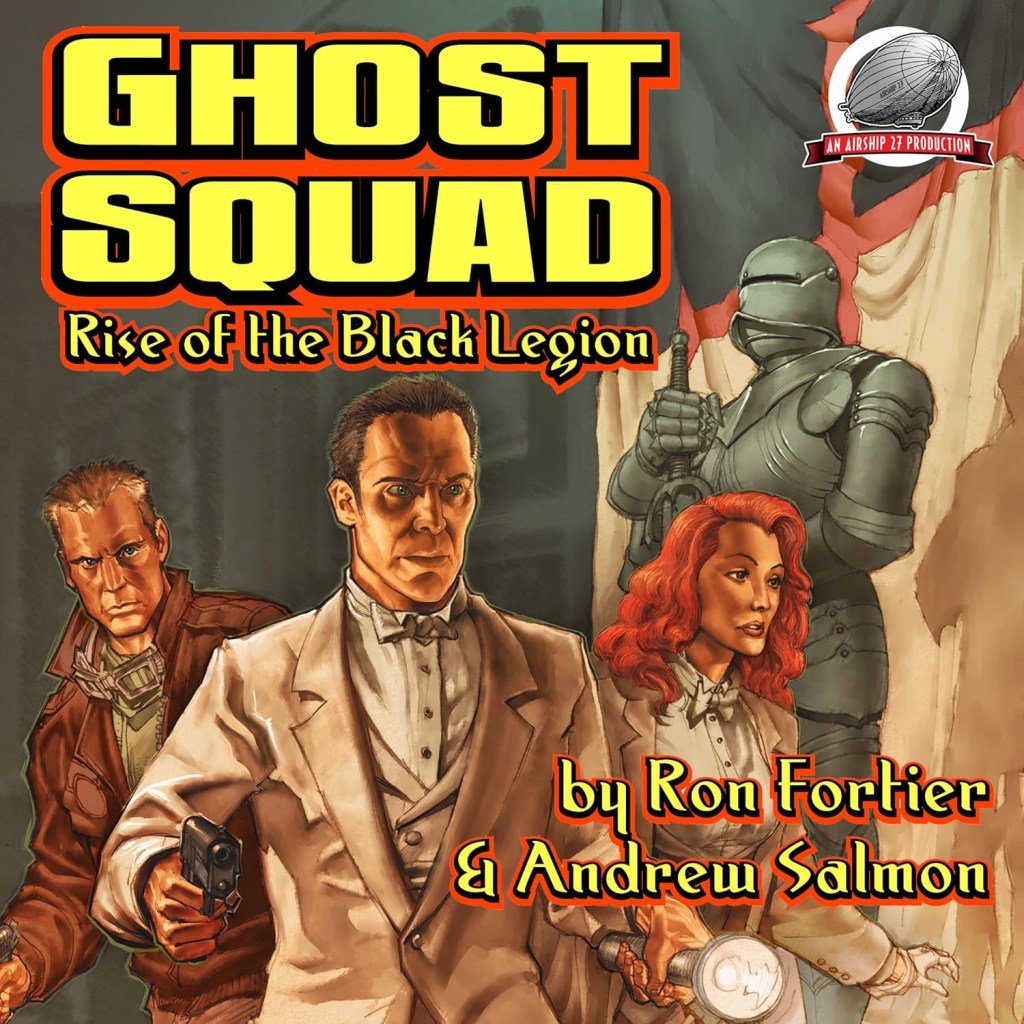
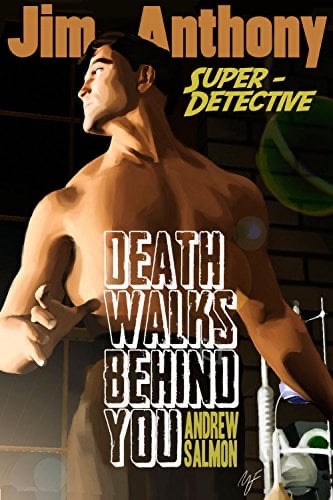
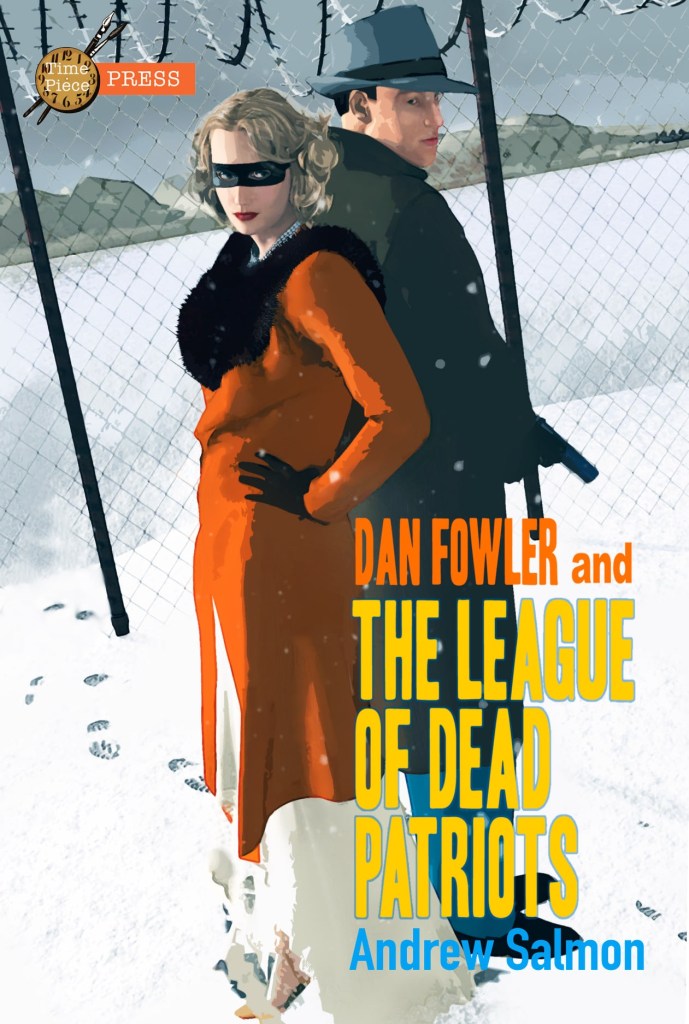
I started out with classic pulp hero tales, featuring Secret Agent X, The Moon Man, the Black Bat, Jim Anthony, and teamed up with Ron Fortier on Ghost Squad: Rise of the Black Legion. Hero pulps are a passion of mine. Writing them is a dream come true. I’m currently working on the first novel featuring Mark Halegua’s Red Badge character. Feels good to be back writing hero pulp yarns again.
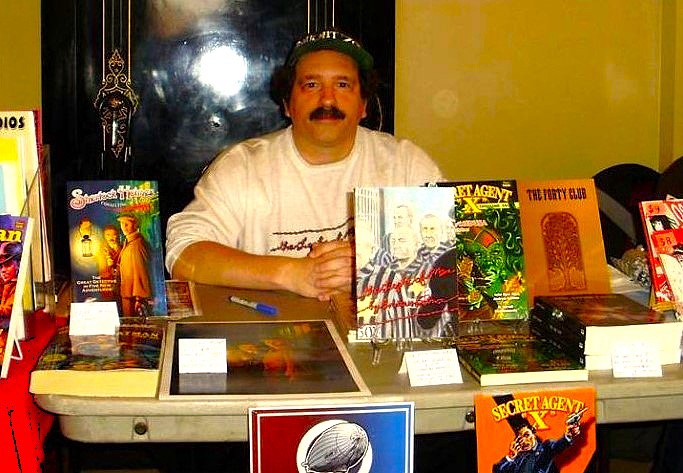
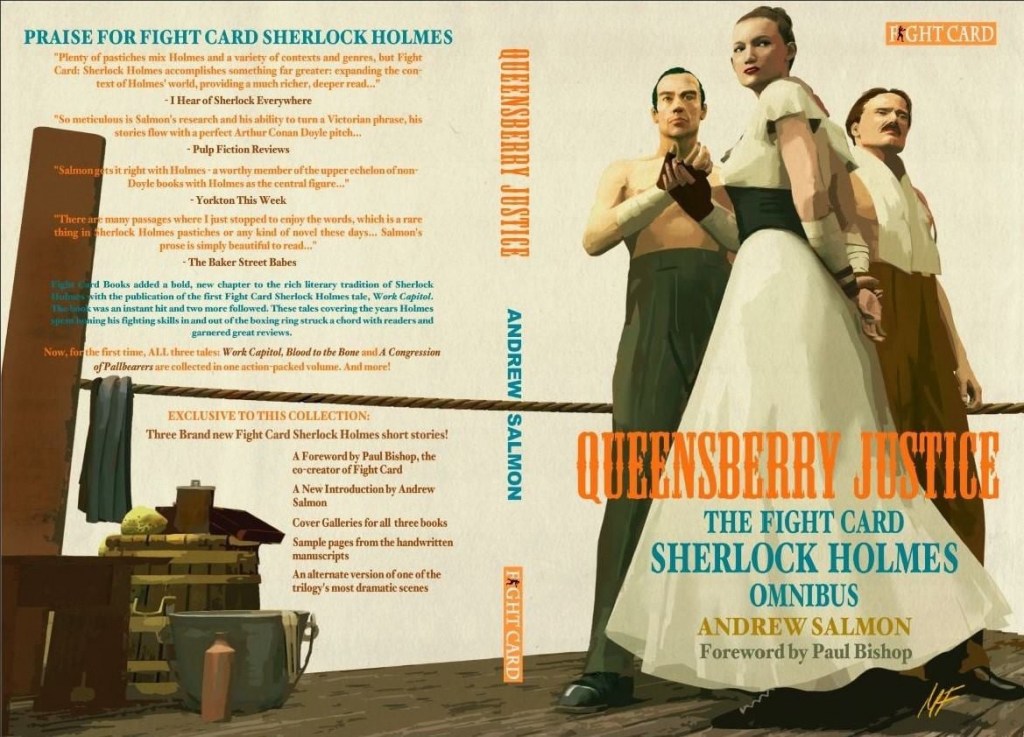
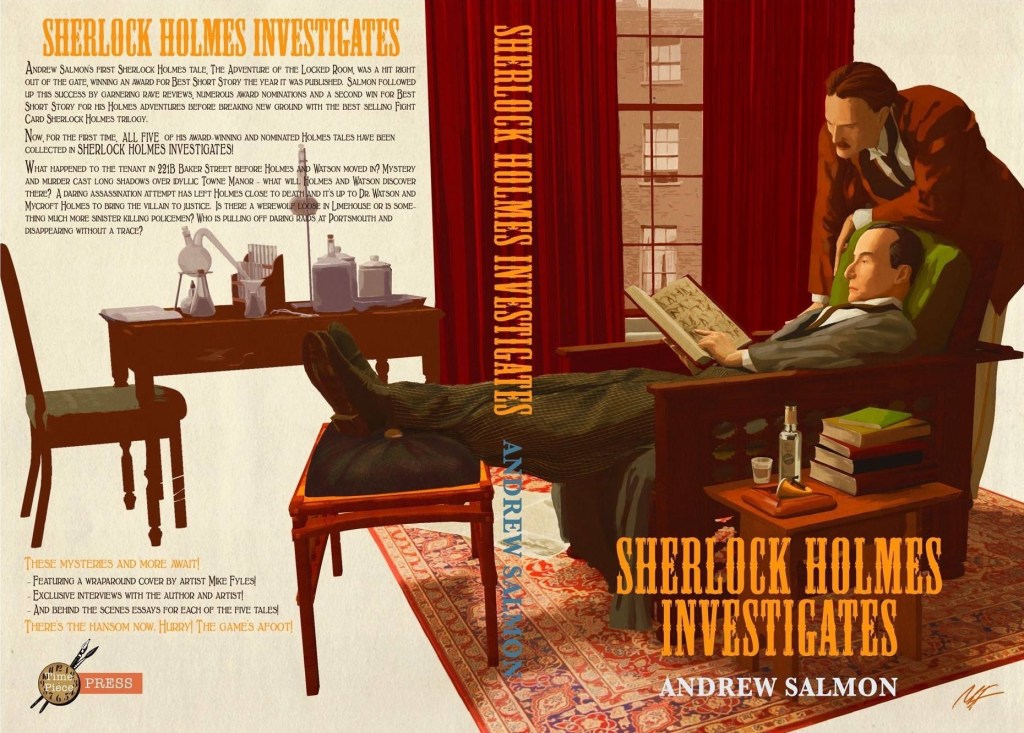
Airship 27 invited me to do a Sherlock Holmes tale for the first volume of their successful series. That tale won the Pulp Factory Award for Best Pulp Short Story that year and I went on to contribute tales to the first five volumes. These yarns caught the attention of Paul Bishop over at Fight Card Books who asked me if I wanted to do a Sherlock Holmes boxing story. I did three of those and we broke new ground in Sherlockian pastiche. In those tales I introduced the character of Eby Stokes, a female boxer who teamed up with Holmes. She was very well received so I’ve since added a handful of short stories and a full-length novel fleshing out her place in the Sherlockian world. The Victorian period has always been a fascination of mine and the lyrical tone came easily to me so I just kept at it. Plus I LOVE to research and everything I put in these tales actually existed from clothes to history to gadgets.
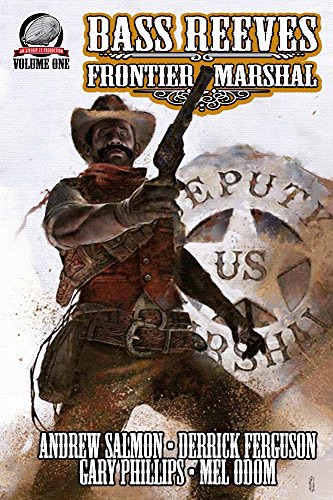
Recently I’ve dived into Westerns with a Bass Reeves tale for Airship 27, plus winning the inaugural Mustang Award for Flash Fiction over at Saddlebag Dispatches. I love classic tales of the Old West and really enjoy getting my boots dusty. Got more Westerns in the hopper. Stay tuned…
What is your earliest memory of reading?
Spider-Man comics! Loved them! Still love those classic Spidey back issues to this day! It was great getting involved in Peter Parker’s problems then watching him duke it out with the best rogues gallery in comics.
When did you know you wanted to write? How did it happen?
It happened at the movies of all places. Walked in as a simple fan to see Star Trek II: The Wrath of Khan the week it was released back in 1984. Walked out a writer. For some reason, watching the film, I could see the story engine at work for the first time, how the story was progressing – as if I could see the gears in motion behind the screen. For the first time in my life I understood instinctively how a story moved from one beat to the next. So naive was I then that I thought only Star Trek stories worked this way as I would see the machinery while watching re-runs of the classic episodes. I soon learned that ALL stories functioned this way. And one thing I was 1000% certain of when I walked out of that movie theater was that I wanted to write stories. Plus the introduction of Dickens’s A Tale of Two Cities at the beginning and end of the film eventually led to the growing mountain of Victorian work I’ve done. I owe Wrath of Khan a LOT!
What’s one of your favorite scenes in one of your books?
There’s a seen in the second Fight Card Sherlock Holmes book, Blood to the Bone, where Eby Stokes finds herself stuck in the ring with a male fighter for what it supposed to be an exhibition bout. But the villain has sent in a bruiser to kill her. Holmes sniffs this out and tries to warn her but it’s too late. What followed was a fun sequence to write and (I hope) read. But at the end, when Eby Stokes is panting and exhausted, I wanted her to convey to Holmes and Watson that she was all right. I stopped typing the scene to ponder what she could do, came up with nothing, then my fingers just moved across the keyboard. I stopped typing and remember thinking: “What did she just do?” and had to read what I had just typed. It was the first time I’d written any character that had truly come to life. It was amazing. Then to see the character catch on with readers was so gratifying. Characters really do leap off the page. I won’t tell you what she did – that would be a spoiler…
What makes a good character? A bad one?
The difference is one bad day. Returning to my first love, comics, the great Alan Moore laid it out in the Killing Joke. In fact I would recommend any young, aspiring writer to watch the first Joker movie if they want to understand how to create a villain. Poor Arthur Fleck. In the movie, he teeters on the brink, he could go either way. In the hero’s tale, he gets a break, a ray of sunshine right at that critical moment to turn things around. But in Joker, as with all villains, when things are at there worst, they getting more terrible and the character snaps. We have to understand that everyone starts out good but circumstances determine whether you stay that way.
Pace! One thing I learned from classic pulp fiction is plot-driven is my bread and butter. Sure, the past masters could slip a little characterization in there but it happened during a car chase or gunfight. Keep the story moving. Always! That kind of energy is what I look for in what I read and what I write.
What moves the story for you?
What is your favorite book and why?
A Christmas Carol by Charles Dickens. I’ve read it every Christmas Eve since 1984 and find something new in it every time I pick it up. Dickens wrote it in 6 weeks and it is still a phenomenon 183 years later. A tremendous story of redemption. To begin with so odious a villain like Scrooge and yet have the reader root for him at the end and be so moved by his journey – it’s just an incredible piece of writing. I spoke earlier of characters coming to life, well, 20 years after he wrote it, Dickens would sometimes remark to his family: “Tiny Tim said the funniest thing to me the other day”. These characters were alive for Dickens and they come alive for the reader, never to be forgotten. It’s a masterpiece I cherish.
What do you want to say to your audience?
Thanks! From the bottom of my heart – thanks! I’ve enjoyed scribbling out my tales. And it’s so rewarding when readers enjoy them. Best compliment I ever had came from a reader of my first Fight Card Sherlock Holmes book. The reader called it the best Sherlock Holmes story he’d ever read. Period. Not the best pastiche, the best story. Wow! It’s interest like that that keeps your going on days when the words aren’t flowing.
What advice do you have for new writers?
READ! Everything you can get your hands on. Start to finish. If it’s crap, suffer through it and teach yourself what not to do. If it’s great, don’t just gobble it down, think about what is making it so great for you. Why are you enjoying it? Analyze it. And don’t limit yourself. All storytelling from every period. No such thing as old fashioned, fuddy-duddy stuff. If something in any tale catches your interest, read it, watch it, learn from it. And write every day. Even if it’s one or two sentences. Practice fueled by gorging on the work of others. These are the only way to become a successful writer. There are no shortcuts. If you’re born to do it, this journey will be fun and rewarding. You won’t resent it at all. If you think it’s a slog, then writing is not for you. Good luck with the process!
Do you have anything else you would like to add?
I’m just glad the classic pulp characters have made such a comeback in this century. They inspired Superman, Batman, Spider-Man and so many others. With the extensive reprints of the old stuff being done, they great pulp of yesteryear lives on. And an army of writers have been inspired to create work we can only hope will be celebrate a century after we’re dust. Keep on scribbling! I know I will.
Website:https://www.amazon.com/stores/Andrew-Salmon/author/B002NS5KR0
 Action Pulp!
Leave a comment