By Adam Messer
“Develop a thick skin, because rejection is inevitable unless you’re writing solely for your own eyes. Take time to learn your craft; there are many free and low-cost resources out there now. Most importantly, read!” – Sharon Marchisello.
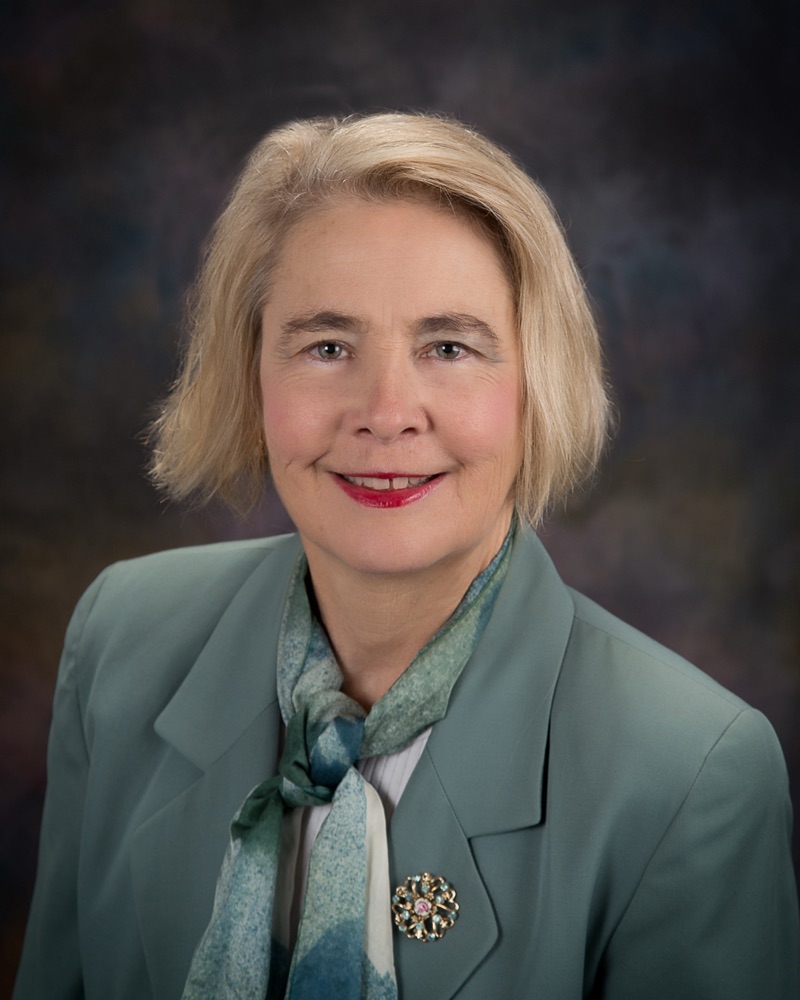
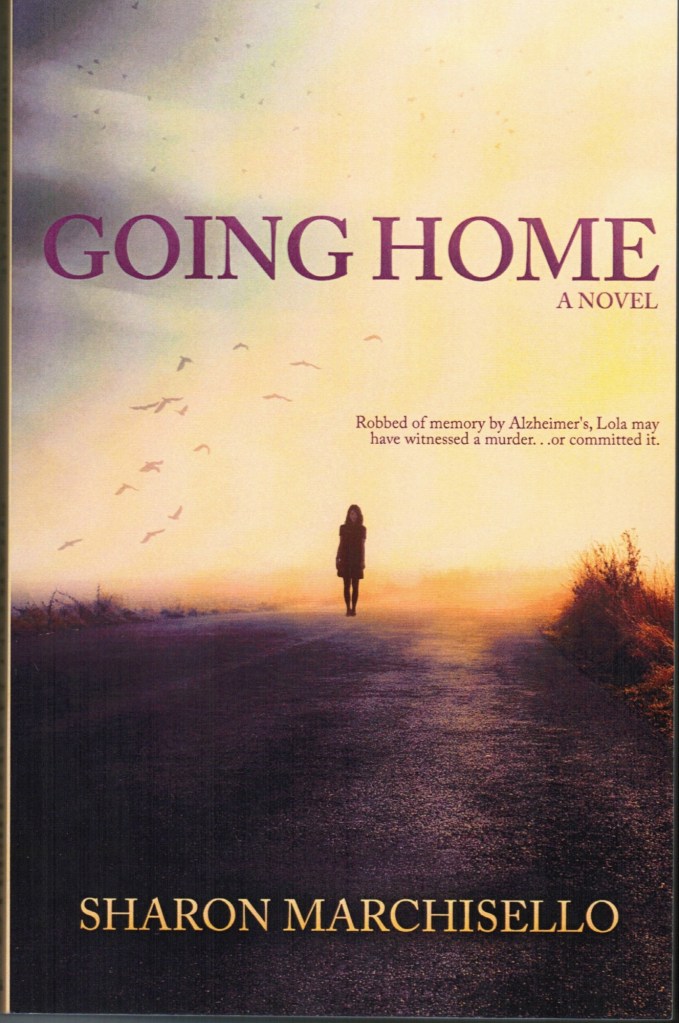
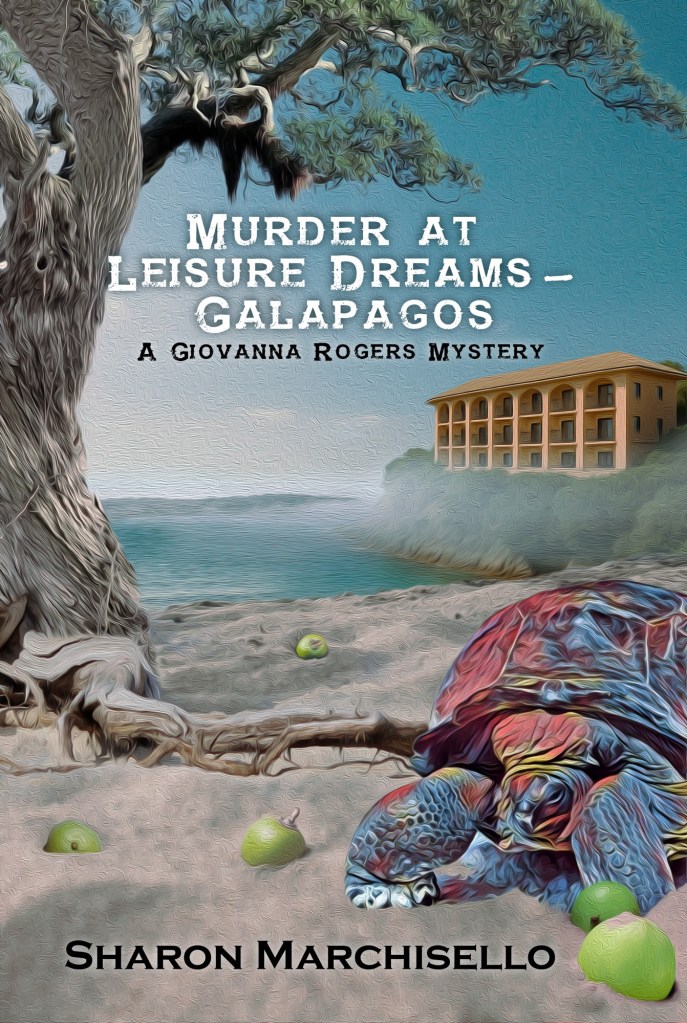
Sharon Marchisello writes mystery novels keeping readers in suspense what may happen next.
Please introduce yourself.
I was born Sharon Lee Howard in Schenectady, New York. Soon afterwards, my family moved to New Jersey. When I was five, we moved to Tyler, Texas, where I spent the remainder of my childhood. I earned a bachelor’s degree in French and English from the University of Houston and later spent a year in Tours, France, on a Rotary scholarship. After being back in Houston for about a year, I applied to graduate school at the University of Southern California, in Los Angeles, where I earned a Master’s in Professional Writing. Despite having written two novels and a couple of screenplays by the time I graduated, I was still unpublished, with no prospects, so I had to look for a real job. I got hired at Western Airlines, which merged with Delta in 1987, and I spent 27 years working there. At Western, I also met my husband, Michael Marchisello.
What genres do you write and why?
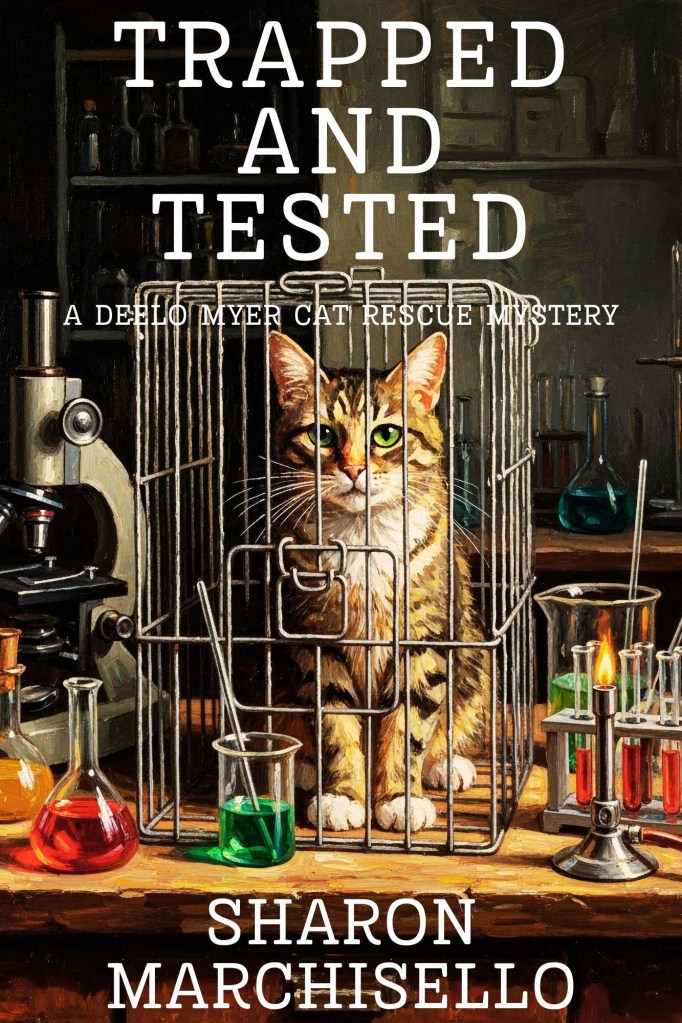
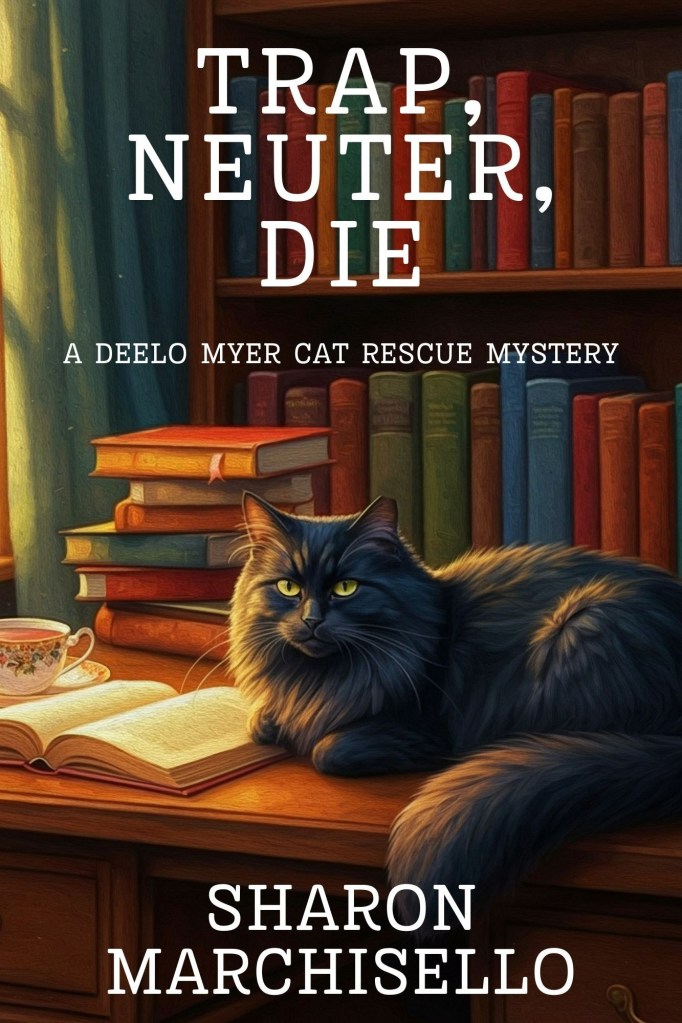
Though I didn’t start that way, these days, I mainly write in the mystery genre. It’s challenging to set up a puzzle and try to figure out how to solve it. As a “pantser,” I often don’t know what happened and why until I start writing.
What is your earliest memory of reading?
My mother read me stories when I was a toddler. At one point, she said I started reading them back to her. She wasn’t sure if I could really read, or if I’d just memorized the words on the page.
When did you know you wanted to write? How did it happen?
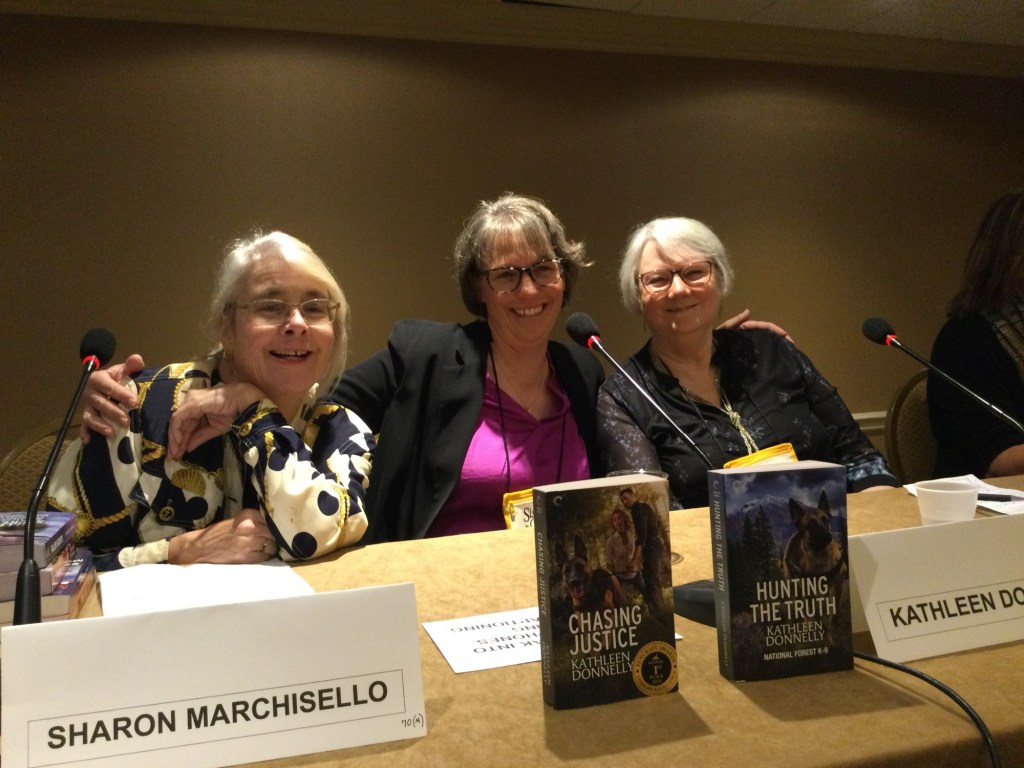
I always knew I wanted to write. When I was a child, my parents put me to bed long before I was ready to go to sleep, so I told myself stories until I finally nodded off. My stories were sometimes sequels to or spin-offs from books I’d read or movies I’d seen—before fan fiction was a thing. When I started school, my favorite assignments were creative writing exercises, and I got positive reinforcement from my teachers, classmates, and parents.
What’s one of your favorite scenes in one of your books?
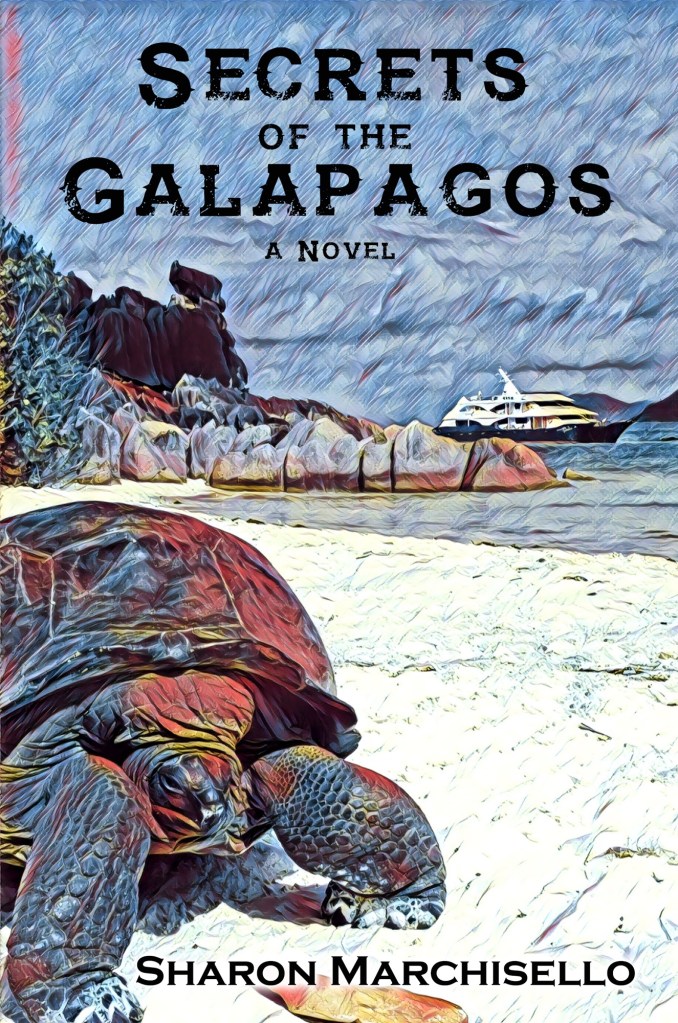
My favorite one involves a spoiler, so I won’t reveal it here. But I’m also partial to the opening scene in Secrets of the Galapagos, because it was based on a real experience. Like my protagonist and her grandmother, my husband and I took a cruise around the Galapagos Islands. Usually, the guides kept close tabs on all the passengers whenever we were off the ship. But one day, we switched activities and joined a snorkeling excursion in progress. There were two Zodiac boats full of snorkelers; apparently, each guide thought the other had responsibility for us. My husband and I were swimming along, marveling at all the underwater life, when suddenly, I looked up to see both Zodiacs headed back to the ship—without us. I still remember the panic of being stranded in the middle of the ocean, which I tried to convey on the page when that same scenario happens to my protagonist.
What makes a good character? A bad one?
I think a good character is like a real person, with heroic qualities as well as flaws and quirks. No one is all good or all bad, so it’s not realistic to write a character that way.
What moves the story for you?
Good pacing. Keeping the suspense going. Answer a question, but then pose another one. Keep me wondering—and caring—what will happen next for the characters.
What is your favorite book and why?
I can’t say I have a favorite book. I’ve loved so many, but I rarely re-read anything, because there are so many more books that I want to read.
What do you want to say to your audience?
Because there are so many books published every day, I’m honored if someone takes the time to read one of mine. So I say, “Thank you. I hope you enjoyed it. And if you did, please tell others!”
What advice do you have for new writers?
Don’t expect to get rich from writing, so don’t quit your day job right away. But don’t give up if the first thing you write isn’t brilliant and praised. Develop a thick skin, because rejection is inevitable unless you’re writing solely for your own eyes. Take time to learn your craft; there are many free and low-cost resources out there now. Most importantly, read! Join a critique group and/or find beta readers. Listen to all feedback, but remember that you’re in charge of your story, so only use what works for you.
Do you have anything else you would like to add?
Thank you for the opportunity to do this interview.
Website:
 Action Pulp!
Leave a comment