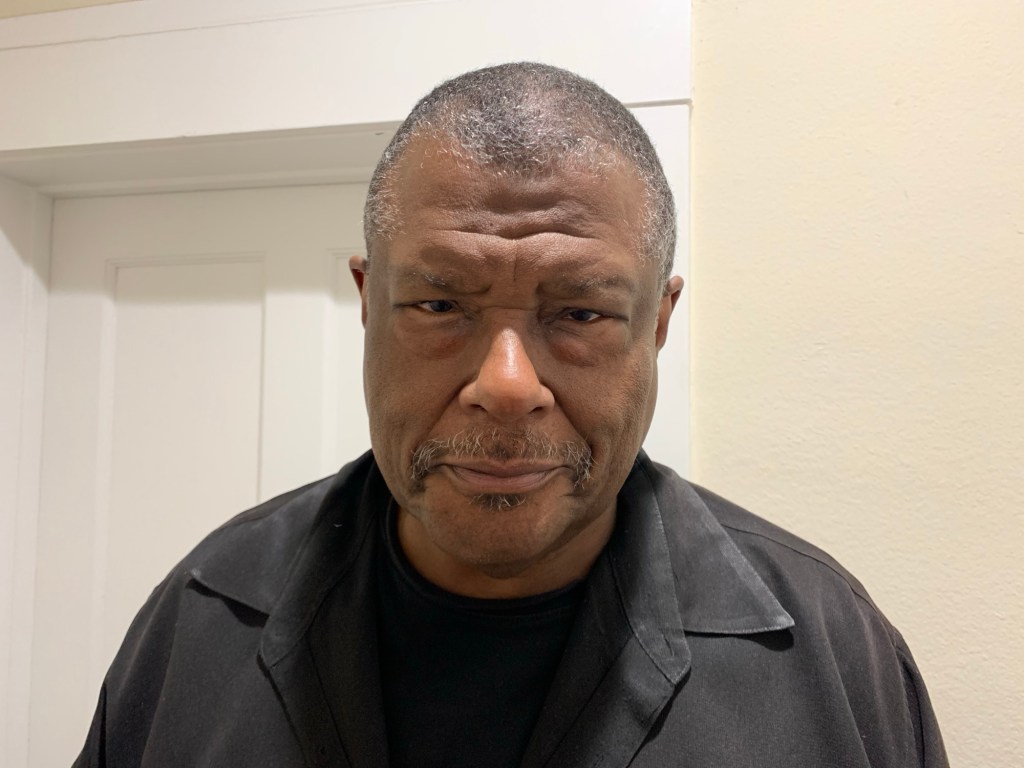
By Adam Messer
“Stories have their own momentum. Maybe the opening is with a bang or it’s a slow boil, drawing us in by what the characters are doing and/or saying to one another.” – Gary Phillips.
Gary Phillips grew up loving Marvel Comics, Twilight Zone, and pulp fiction, retelling those adventures to his Pops.
Please introduce yourself.
Hi, I’m Gary Phillips. I write novels, short stories, comic books and now and then a script.
What genres do you write and why?
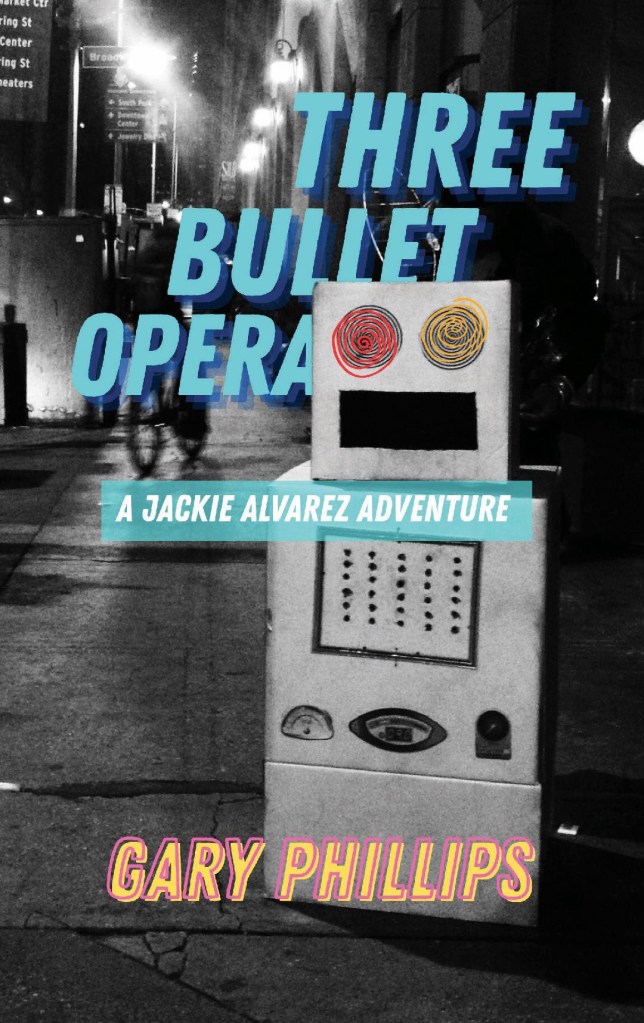
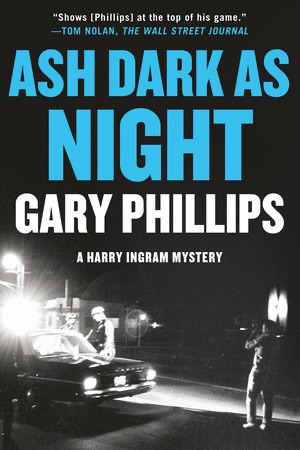
The genres I cover include crime fiction, mysteries, a western now and then and even sci-fi with some overlap into fantasy. These elements can be found in say a new pulp tale of mine like Three Bullet Opera or a more mainstream effort like Ash Dark as Night.
As to why, well, hell, it was how I was weened! When I was a kid, I watched re-runs of the original Twilight Zone and such became imprinted on my brain. A trove of comic books, those Doc Savage paperback reprints with the James Bama covers, The Shadow reprints, and stumbling onto the works of Chandler, Hammett, Jim Thompson and Iceberg Slim – of him, if you know, you know.
What is your earliest memory of reading?
For sure it was a few Marvel comic books claimed from the spinner rack of Whitehead’s, the small general store in my old neighborhood. In those days in my neck of the woods, you didn’t read DC. It was the angst-ridden Peter Parker as Spider-Man, blind, radar-sense Daredevil avenging the murder of his boxer father and the cool resolve of Dr. Strange.
When did you know you wanted to write? How did it happen?
All those comic books I read, and those Twilight Zones fired in me the desire to tell my own stories. My pops making sure he wasn’t wasting the allowance money he gave me each week would ask me what happened in that latest issue of the Hulk or the Fantastic Four. But in telling him about those adventures, I learned a sense of story – the beginning, the middle and the end. I didn’t articulate such then though years later really came to appreciate that time.
What’s one of your favorite scenes in one of your books?
This is from Violent Spring, my first novel and it featured private eye Ivan Monk:
The ’64 Ford Galaxie 500 had been restored to better thanassembly line condition. It was a 289-cubic-inch V-8, four doorhardtop, three-speed automatic, Dearborn-issued muscle, built when the big, gas-guzzling car was supposed to be every American’s birthright. It wasn’t a practical car, as far as fuel economy or tailing someone was concerned, but rebuilding a classic had been a dream shared by Monk and his dad.
What makes a good character? A bad one?
Like any character you seek to put in motion you want them to have dimensionality. Even if they’re only going to be around for a few passages. Now that doesn’t mean you’ve got to write a detailed backstory for them but it does help if in your head you have some sense of who they are, what was it that brought them to this moment when we’re first introduced to them. Maybe the character is only serving a plot point, but that doesn’t mean you give them short shrift. Think about their dialogue, the cadence of their speech.
What moves the story for you?
Stories have their own momentum. Maybe the opening is with a bang or it’s a slow boil, drawing us in by what the characters are doing and/or saying to one another. In a broader sense it’s the pacing. You want to keep the reader engaged and in pulp that means action but there should be moments when matters slow down, allow your story to breath even if your hero and his aides are battling giant flying sharks or flying men with rocket packs and death ray rifles. Humor, fear and overcoming in under pressure, nerves stretched taught…all that can come together in the composition of the story.
What is your favorite book and why?
There’s no one all-time favorite. But for certain the Maltese Falcon by Dashiell Hammett stands out. It’s the template from which many a mystery has been constructed. The flawed yet determined PI, the quirky characters, the object of their desire and the machinations they go through to obtain it.
What do you want to say to your audience?
Hope you’ll give one of my books a read.
What advice do you have for new writers?
Keep writing. Be as critical and analytical as you can be about your work. If you’re not, there’s going to be those who come along and will be. Not saying to be hyper critical but if you can get some mental distance from your work and give those passages, that dialogue, a review through the lens of a cold, calculating eye, I feel you’ll benefit from such.
Do you have anything else you would like to add?
Thanks for the opportunity.
Website: https://gdphillips.com
 Action Pulp!
Leave a comment