February 3, 2026
By Adam Messer
The advice, “Tell a story that needs to be told”, is important. – Todd Sullivan.
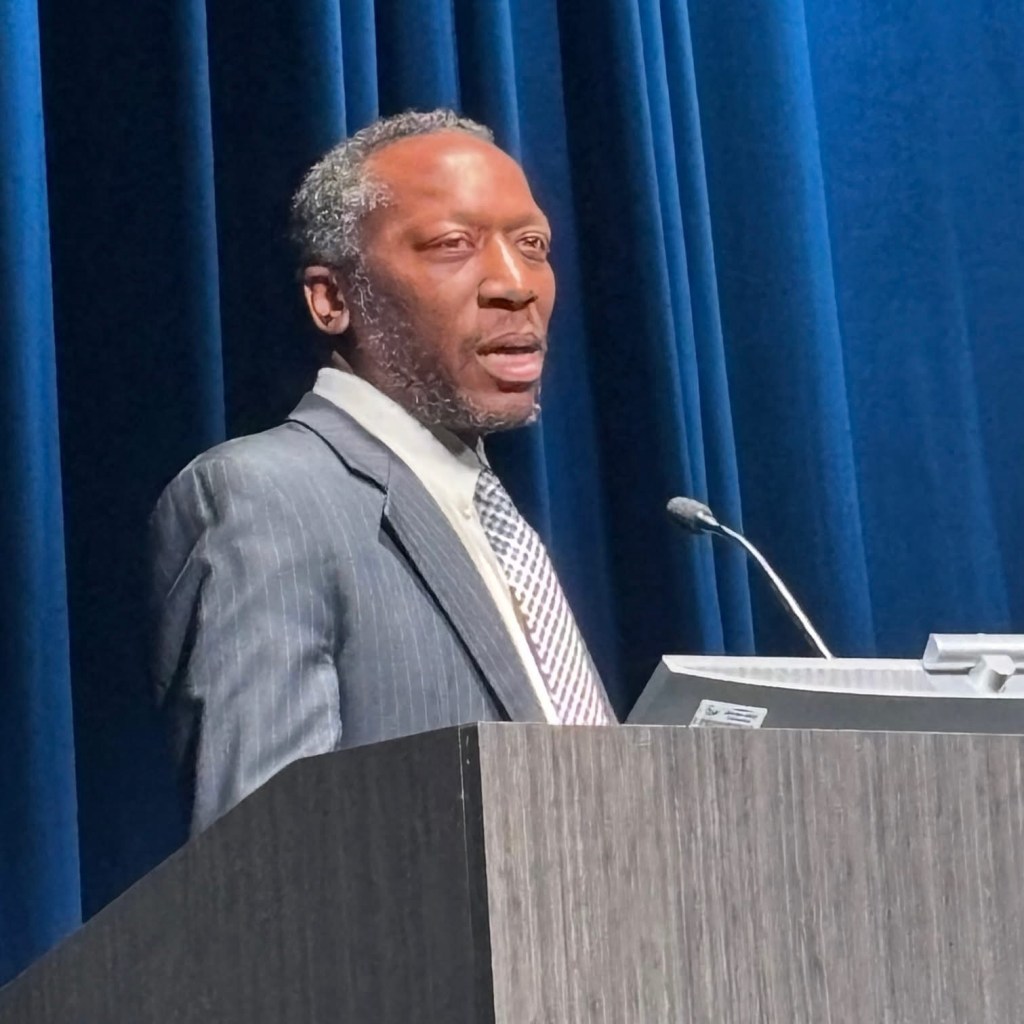
Todd Sullivan is a fantasy and horror author who grew up in the library and watching horror films, influencing his love for storytelling.
Please introduce yourself.
My name is Todd Sullivan. I lived in Asia (South Korea and Taiwan) for sixteen years. I returned back to live in the U.S. in March 2025.
What genres do you write and why?
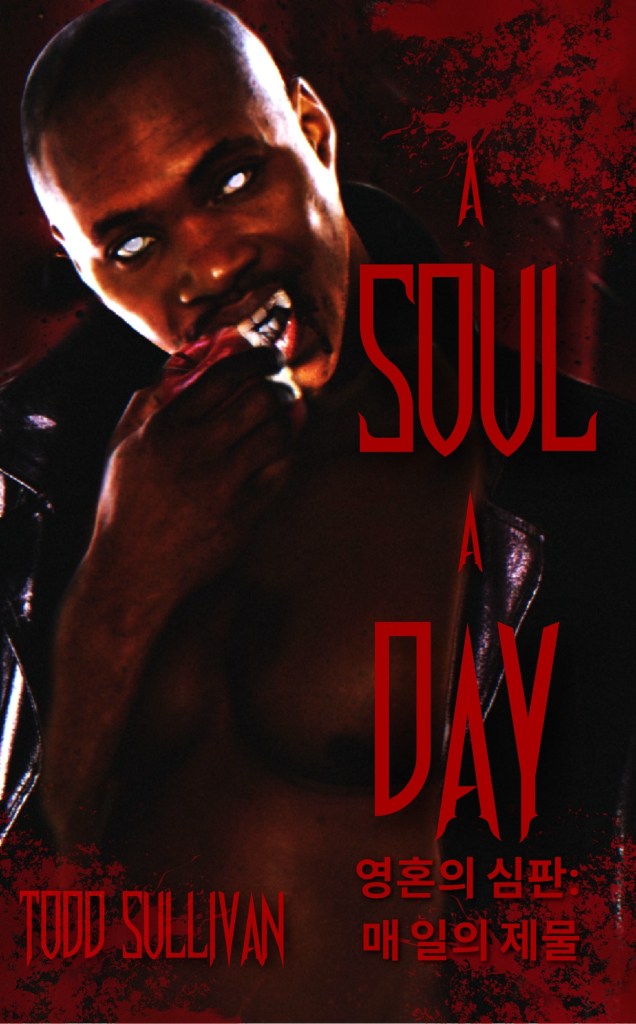
I write a wide variety of genres, but my published books are fantasy and horror. I started writing fantasy after reading Dungeons & Dragons as a child in the 80s and 90s. I enjoyed the game manuals and wanted to create my own campaigns, which became fiction. I started writing horror because my older sister was into horror. Back in the time when there were few channels on television and no internet, you often watched what your older siblings watched. She enjoyed horror, and the movies we watched inspired my own stories in the genre,
What is your earliest memory of reading?
I remember going to the library, back when that was something almost everyone did. I remember going down the aisles, pulling books from shelves, reading a little about them, and then choosing two or three that I wanted to take home with me. As is won’t to happen when people get old, it saddens me that kids today don’t have the going-to-the-library experience. There’s something to be said about the process, which has largely disappeared in the digital era.
When did you know you wanted to write? How did it happen?
I knew I wanted to be a writer when all my other interests faded away, but the desire to write remained over the years. Writing was one of several things I wanted to do, though perhaps it was the strongest of them all. This happened in childhood, and it was natural. Writing the world happening around me seemed as natural as eating food or drinking water.
What’s one of your favorite scenes in one of your books?
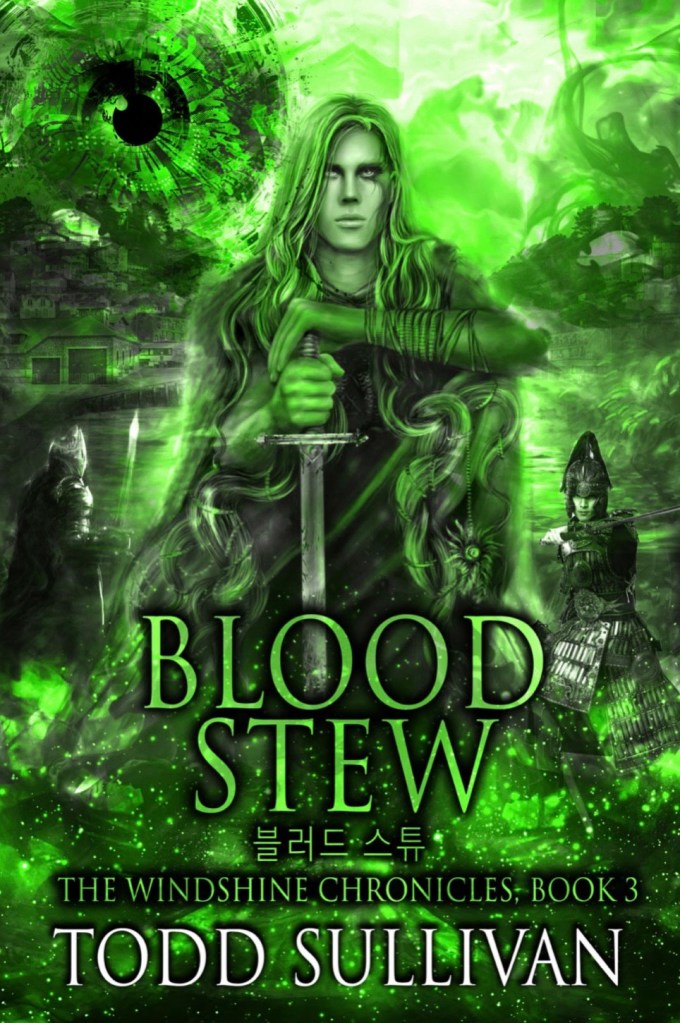
There is a scene in the novel, BLOOD STEW, where the teacher, who is a mage, is teaching the students how to create illusions by using the flaws in the perception of others. I think the scene did a good job of combining the fantastical, which is magic, with the realistic, which is irrational thinking, pre-assumed beliefs, prejudices, etc, that people tend to hold.
What makes a good character? A bad one?
A good character is someone who you would want to listen to for an extended period of time. What they tell you may be evil or it may be noble, but they are the most interesting person in the room. A bad character, on the other hand, is the least interesting person in the room. They are the kind of person that is quickly forgotten in the group, who only has non-interesting subjects to discuss. This has nothing to do with introverted versus extroverted, as a quiet person can be the most interesting person in a room. This has to do with how intriguing a personality is that can keep readers engaged.
What moves the story for you?
This depends on the story. For some it’s plot, for others character, setting, situation. The advice, “Tell a story that needs to be told”, is important. Stories that are technically perfect (or as close to perfect as anything can get) but emotionally and creatively dead, doesn’t move me. I’d take flawed and urgent over perfect and bland any day of the week.
What is your favorite book and why?
I really enjoyed A CONFEDERACY OF DUNCES by John Kennedy Toole. I think each of the characters in the book are the most interesting in any room they’d find themselves in. Movies like SNATCH, directed by Guy Ritchie, do something similar. They fill the narrative with extremely interesting characters and let them run mad in the plot.
What do you want to say to your audience?
Read more. I have actually become disheartened by how many people, particularly those who are writers, don’t read. If you’re a writer, you should at least be reading a book a month. For non-writers, four to six a year. And read poetry and nonfiction. Every year, more books are being published, whether it’s traditionally, hybrid, or self-publishing. Yet the number of people reading books is shrinking.
What advice do you have for new writers?
Read, read, read.
Do you have anything else you would like to add?
Thank you, Valhalla Books, for publishing this interview!
 Action Pulp!
Leave a comment