
January 31, 2026
By Adam Messer
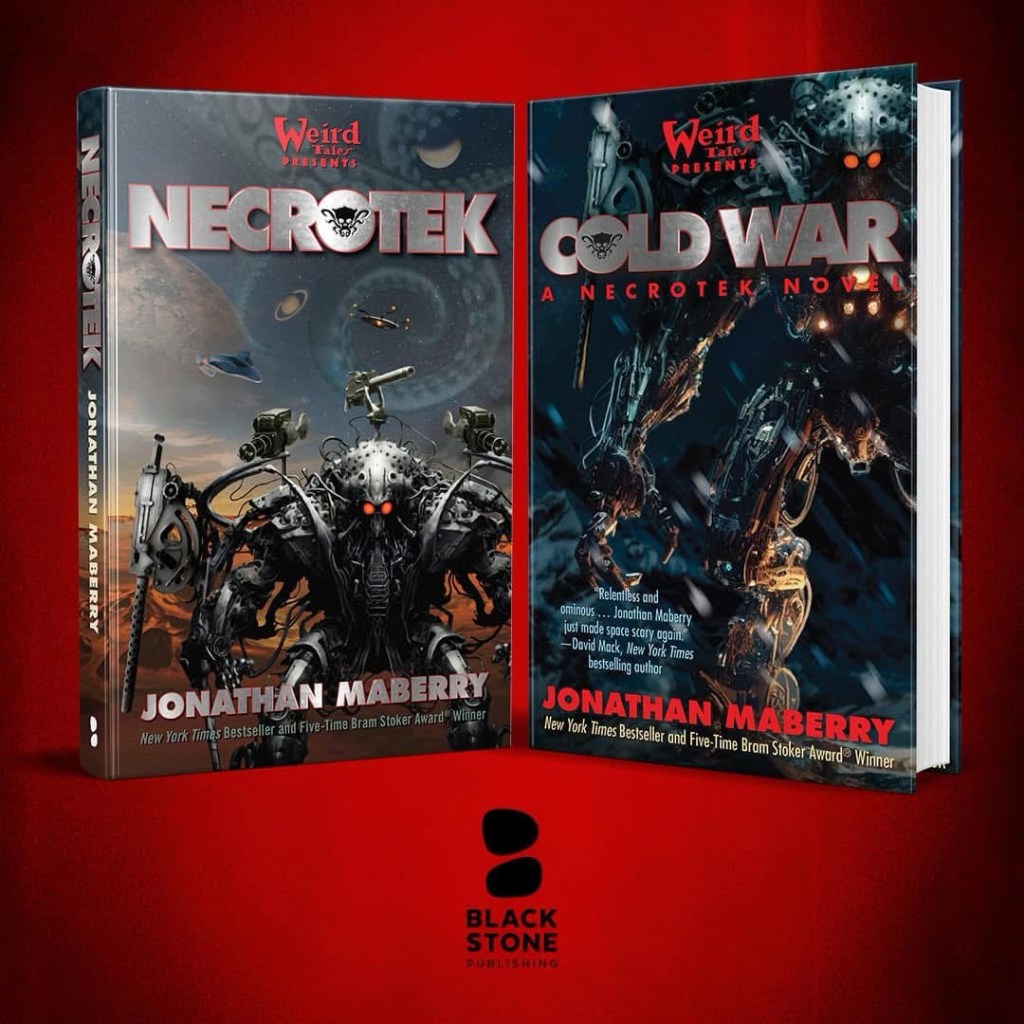
Jonathan Maberry is an author’s author with a profound passion for storytelling, martial arts, and teaching. Maberry built his writing career by developing his craft through writing, research and a piece of his Grandmother’s fascination with what she called the “larger world.”
ACTION PULP: Please introduce yourself.
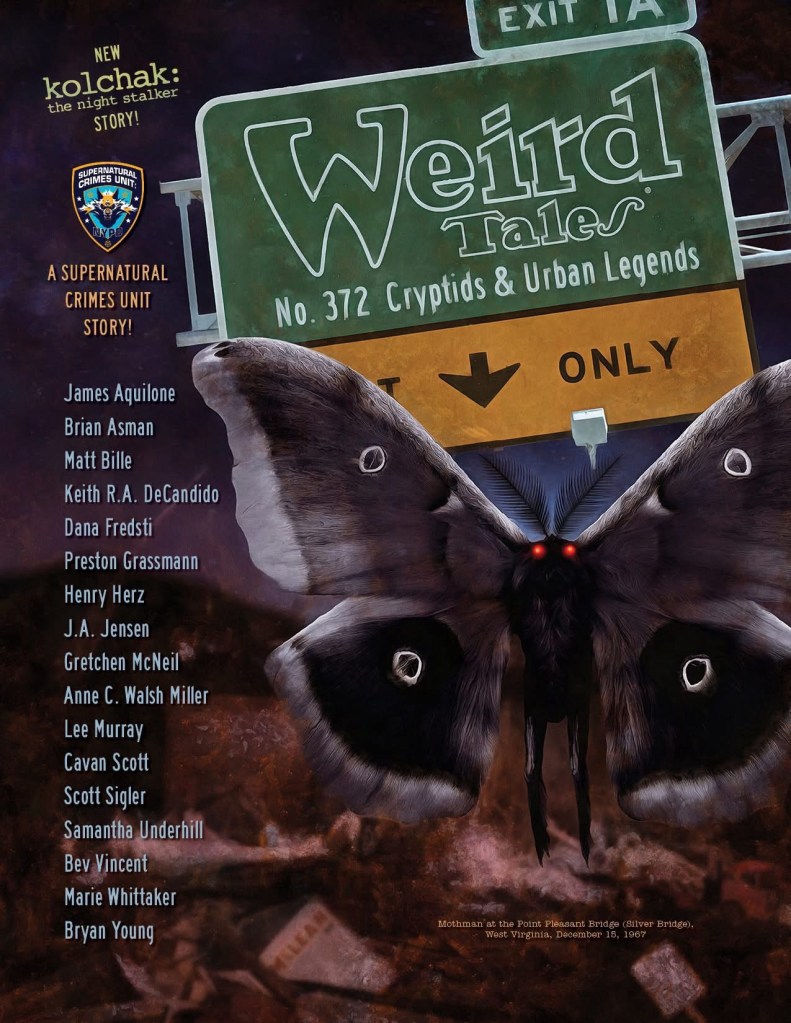
JONATHAN MABERRY: I’m a NY Times bestseller, 5-time Bram Stoker Award-winner, 4-time Scribe Award winner, Inkpot Award winner, author of over fifty novels, anthology editor, writing teacher, poet, and editor of Weird Tales Magazine. I founded the Writers Coffeehouse, a monthly 3-hour free networking and information-sharing group for writers of all kinds. I teach at writers conferences around the world, and am a frequent guest at pop culture cons. I’m a retired jujutsu master with over 60 years in the martial arts; and I’ve worked as a bodyguard, college teacher at Temple University, and an District Attorney’s Expert Witness for murder cases involving martial arts. I was born in Philadelphia live in San Diego.
ACTION PULP: What genres do you write and why?
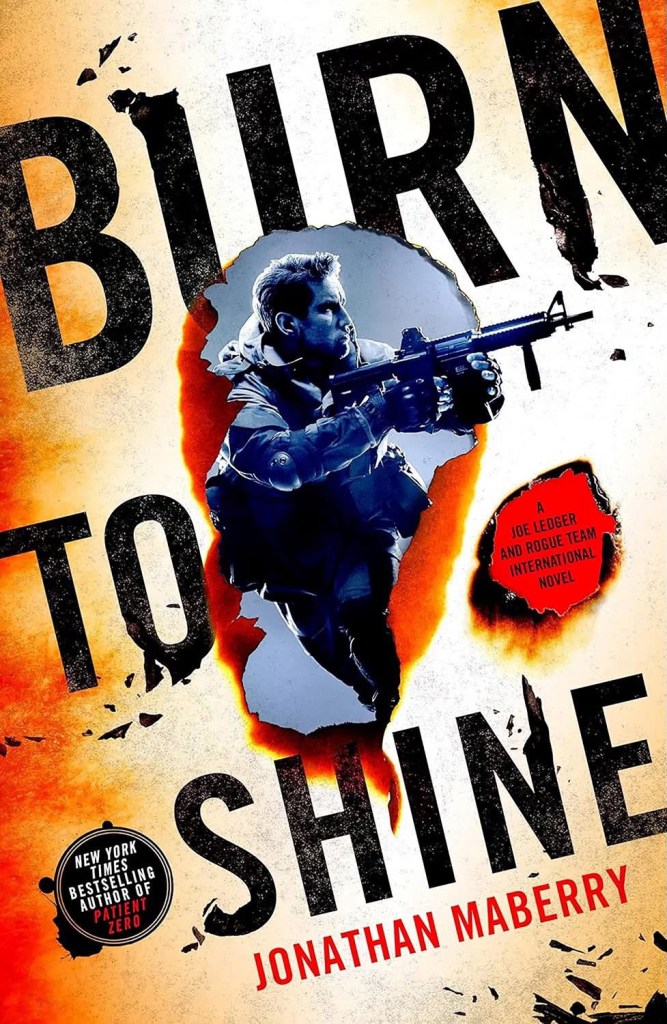
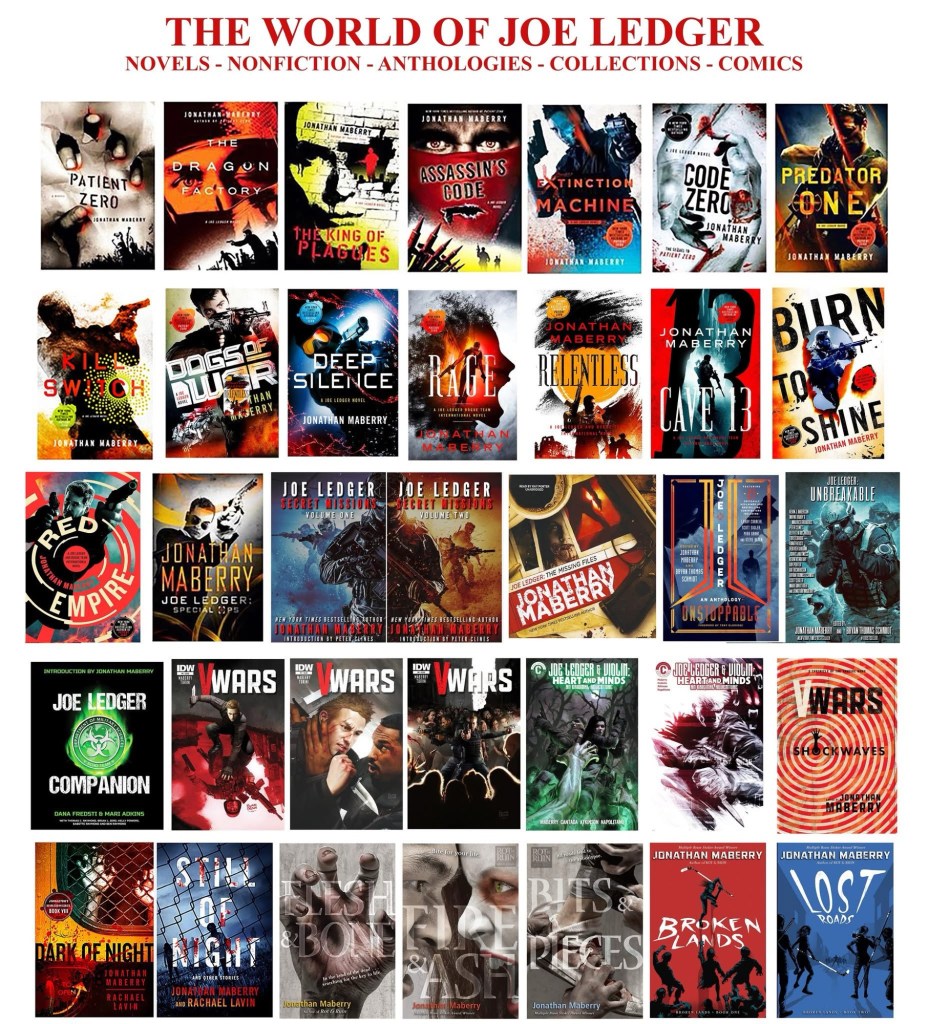
JONATHAN MABERRY: I’m all over the place. Prior to becoming a novelist I wrote thousands of nonfiction magazine articles, greeting cards, technical scripts, college textbooks, and mass market nonfiction books (on martial arts and on folklore). In 2006 I switched to fiction and published my first novel, Ghost Road Blues, a horror-thriller, followed by two sequels. I write horror, thrillers, mystery, science fiction, epic fantasy, urban fantasy, and action. Each genre is tied to the things I read and enjoy.
I was heavily influenced by a wonderfully creepy grandmother who believed in everything in what she called the ‘larger world’ (vampires, ghosts, etc), and she encouraged me to read deeply into folklore but also science, archaeology, and anthropology in order to understand why people believe in monsters. That influenced my interest in horror in all of its forms, from old EC comics to classic fiction, on TV and in movies, in games and everywhere else.
But I’ve always been a science junkie, and I love most forms of science fiction. I had the amazing good fortune to be mentored (as a young teen) by Ray Bradbury and Richard Matheson, and to a lesser degree Harlan Ellison. They introduced me to the broad scope of science fiction.
My love of epic fantasy came by meeting and becoming friends with L. Sprague de Camp, who was part of a group called the Hyborean Legion. The first book I ever bought was Conan the Wanderer –coincidentally four years before I met de Camp.
I read a lot of mysteries because I dig problem solving; and I love the thriller model –that race against time to either prevent something terrible from happening or to insure something positive has a chance to occur. I apply that storytelling structure to all of my novels and comics.
The second book I bought was Doc Savage: The Man of Bronze, which was being reprinted by Bantam. I immediately became hooked on Doc and collected all of his stories, as well as the reprints of The Shadow, The Spider, G-8 and His Battle Aces, The Avenger, and others.
ACTION PULP: What is your earliest memory of reading?
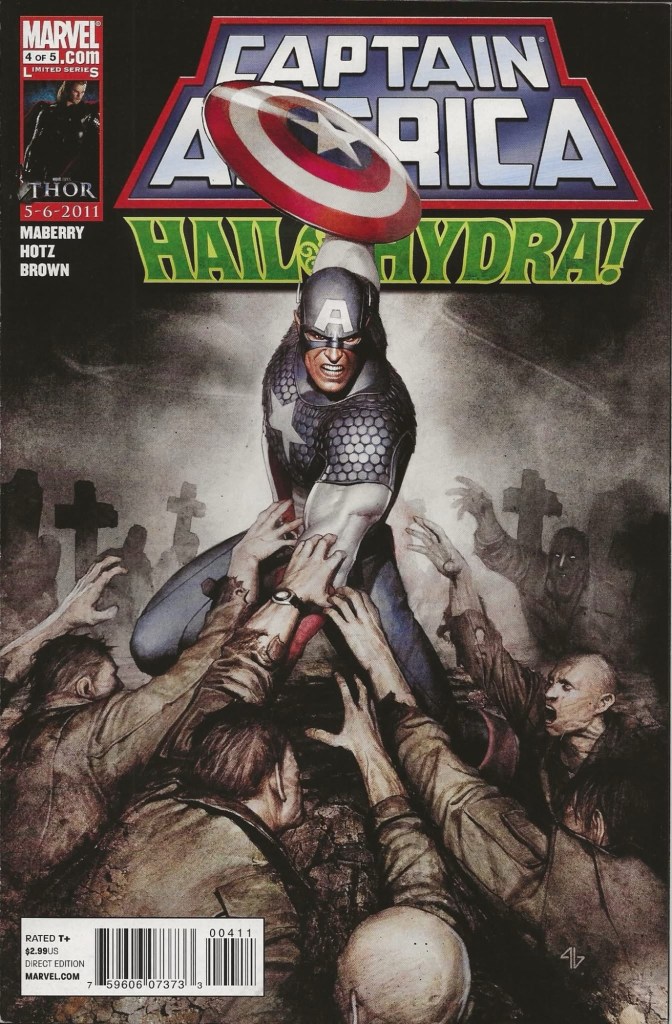
JONATHAN MABERRY: I remember some of the silly stuff we read in school –Dick & Jane, etc., but the first thing I remember reading and enjoying were my older brother’s Marvel comics. I was born in 1958, and got hooked on comics in 1964. Comics were so wonderful, and I became obsessed with the Fantastic Four (my favorite), Captain America, the Avengers, Spider-Man, Doctor Strange, and the reprints of the old pre-superhero monster tales.
ACTION PULP: When did you know you wanted to write? How did it happen?
JONATHAN MABERRY: I can’t ever remember a time when I didn’t want to tell stories. In 2nd or 3rd grade, when the teacher asked what we wanted to be when we grew up, I said storyteller. I used to write and illustrate my own comics as a kid and share them with my friends.
In school, I jumped at any opportunity to write something, be it an article for the school paper or short stories and essays for AP English. I landed a scholarship to Temple University and went there to study journalism. Since Watergate happened shortly before I graduated, I was all hot to become the intrepid reporter who would expose the corrupt whatever…but during my junior year of college I took a magazine features class and that changed my direction. Since there had been so much of the ‘write what you know’ advice all around, I decided to try that. I’ve been doing martial arts since I was five, so I pitched an article to Black Belt, and wound up selling it. By the time I left college, I’d already sold a dozen martial arts articles to the major magazines.
Shortly afterward I was hired by Temple U. to co-run their martial arts department. I taught classes on Martial Arts History, Women’s Self-defense, and related subjects, and continued to write about that. In 1991, a textbook publisher asked me if I’d be interested in writing the school’s textbook for the Judo class. Funny thing was that I didn’t teach Judo, but my friend did –great teacher, too, but not a very skilled writer. So I wrote his textbook even before I wrote my own. And that was my first published book.
I expanded my nonfiction writing by exploring subjects like music, travel, skydiving, bartending, parenting, and a slew of other subjects, though I always did some martial arts pieces. In the late 90s I had a four-book deal with a small local press and did three mass-market nonfiction martial arts books (Ultimate Sparring, Ultimate Jujutsu, and The Martial Arts Student Logbook), but for the fourth book I pitched something wildly off topic –The Vampire Slayers Field Guide to the Undead, an exploration of supernatural predators in folkloric beliefs around the world and throughout history. The publisher was nervous about me putting that out under my own name, since I’d just been nominated for the Action Karate International Martial Arts Hall of Fame, so it came out under the pen name of Shane MacDougall.
Researching and writing that book got me interested in horror fiction that used folkloric versions of monsters, but I couldn’t find many. So my wife told me to stop b*tching about it and write one. So I did, and that was Ghost Road Blues, which debuted in 2006. I was immediately hooked on fiction and made the jump to being a full-time author.
My first short story, “Pegleg and Paddy Save the World” was published in 2007. It was a comedy zombie story for Kim Paffenroth’s History Is Dead anthology of zombie stories set in different historical eras. I’ve written and sold more than 200 short stories since.
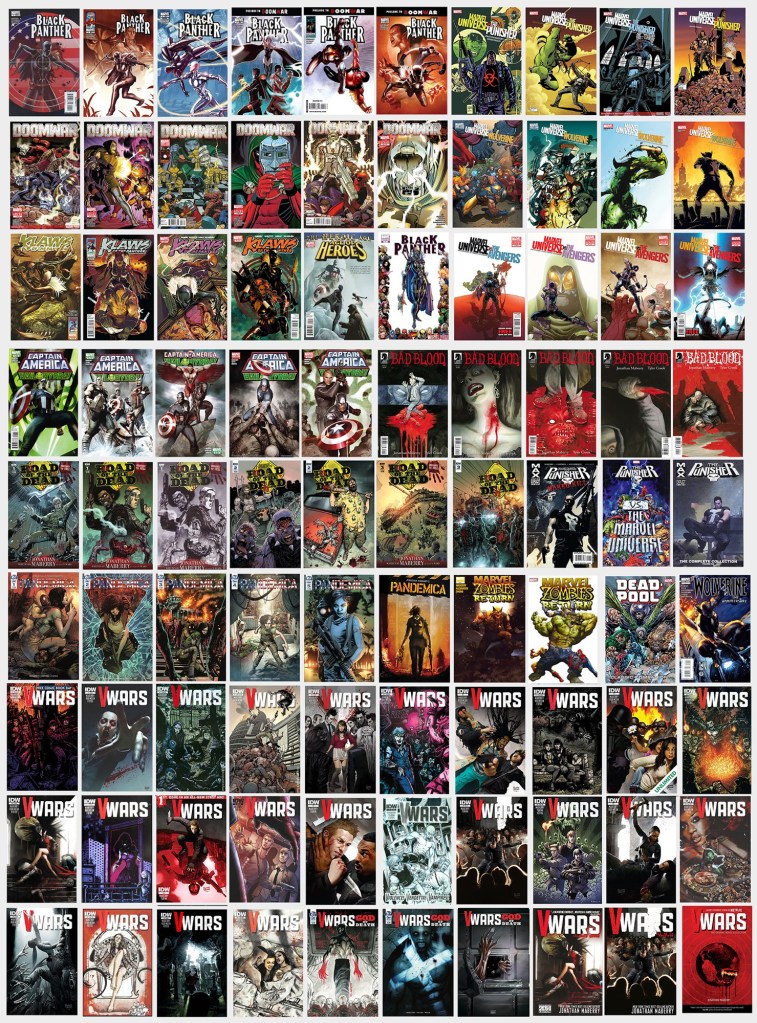
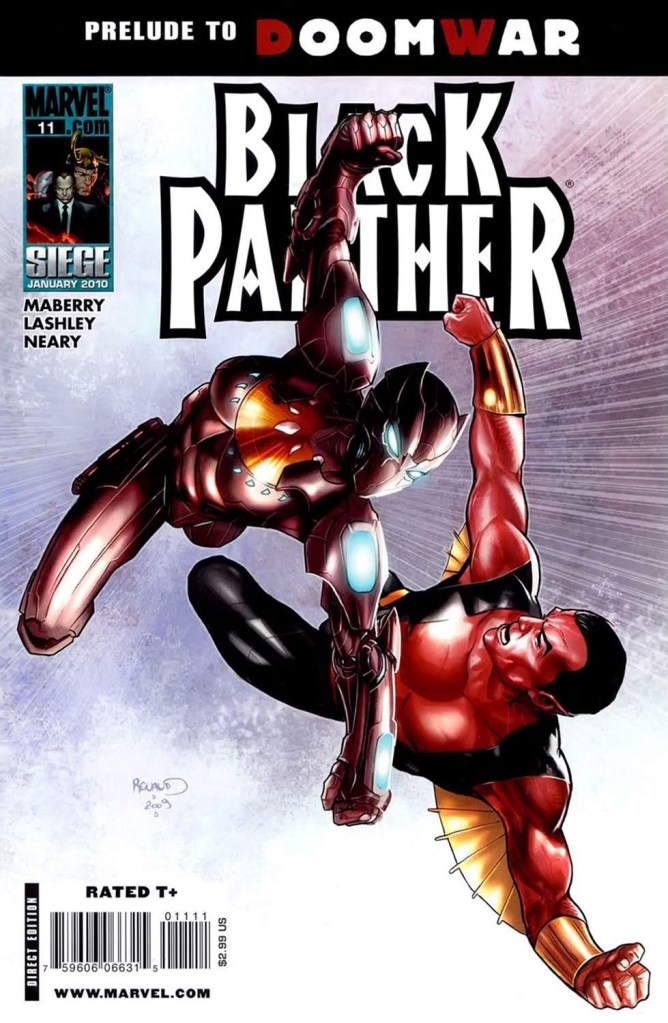
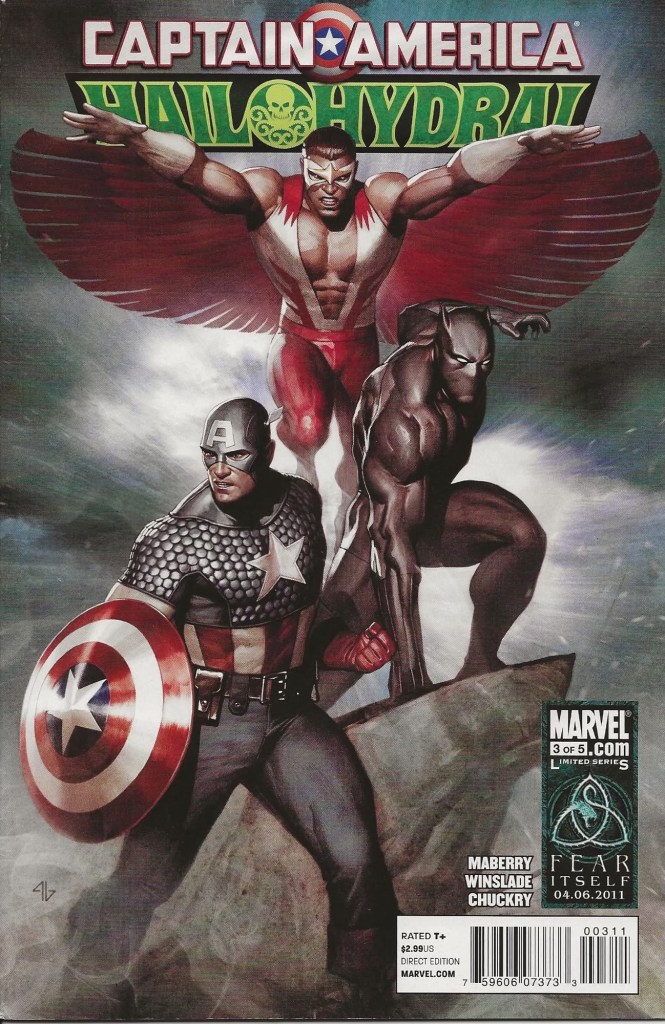
I broke into comics in 2008 after Axel Alonso –then editor-in-chief at Marvel—read my first weird science thriller, Patient Zero. I started off with Wolverine and Punisher tales, and then became the regular writer for Black Panther. A big chunk of the blockbuster film, Black Panther: Wakanda Forever was based on my comics. I also wrote Avengers, Captain America, and other stuff, and co-wrote Marvel Zombies Return.
ACTION PULP: What’s one of your favorite scenes in one of your books?
JONATHAN MABERRY: There’s a scene in Rot & Ruin, first in my 7-book post-apocalyptic zombie series for Young Adults, where the older brother is teaching his young brother about the nature of zombies. It is a philosophical and empathetic scene that examines how each zombie was once a person who had hopes and dreams but became victim to a tragedy that stole that all away. Tom, the older brother, explains that one should never mock or disrespect the living dead because they were once human, and what’s happened to them is not their fault. So, respect is in play even when zombie hunters ‘quiet’ a zombie at the behest of surviving family members.
ACTION PULP: What makes a good character? A bad one?
JONATHAN MABERRY: Flaws are what make good characters of every kind. No one is spotless white and no heart is utterly black. By examining and constructing legitimate and plausible worldviews for each, and giving real thought to those steps that led a person from being ordinary and into the roles of either protagonist or antagonist, the writer creates ‘people’ rather than characters, and that makes the book come alive.
ACTION PULP: What moves the story for you?
JONATHAN MABERRY: Personal stakes matter. A hero doesn’t just wake up wondering what heroic things he/she has to do that day. Same for the bad guy. The plot of any story, be it horror, SF, fantasy, whatever, is about the normal world of a cast of characters being disrupted in ways that will force them to re-define who and what they are. This core of personal epiphanies, insight, and reaction to crisis is what allows us to understand why they do what they do. That kind of deep character development, when allowed to play out in action rather than an info dump, makes a story compelling to read, and equally compelling to write.
ACTION PULP: What is your favorite book and why?
JONATHAN MABERRY: I Am Legend is my favorite novel. Has been since Matheson gifted me a copy for Christmas in 1971. It is apocalyptic, post-apocalyptic, and dystopian in equal measures. It’s the first science fiction-horror novel that bothers to give us the actual science (which is only alluded to in, say, Jekyll & Hyde, The Invisible Man, Frankenstein, etc). Also, it’s an existential story in which a man who is certain of his worldview is confronted with the shocking realization that he may be entirely wrong. That realization, by the way, is completely ignored in two of the three adaptations of the work –The Omega Man (1971) and I Am Legend (2007), and grossly underplayed in The Last Man on Earth (1964). The book is pretty much the model for every apocalyptic outbreak novel or movies since, and was the inspiration for Night of the Living Dead. I read that book every Halloween week, and have since ’71.
ACTION PULP: What do you want to say to your audience?
JONATHAN MABERRY: It’s okay to be weird. Dark thoughts are normal. And sometimes the good guys actually win. Those views inform a lot of what I write.

ACTION PULP: What advice do you have for new writers?
JONATHAN MABERRY: Don’t let anyone talk you out of it. Friends and family will try to talk you down from wanting to write, thinking they’re sheltering you from the pain and frustration of rejection, etc. Don’t listen. Write anyway.
But…don’t just rely on natural storytelling gifts. Dig deep into the elements of craft, and never stop looking for new insights into the science and art of storytelling. The more you understand the carpentry of what makes a good story, the more likely you are to build something wonderful.
ACTION PULP: Do you have anything else you would like to add?
JONATHAN MABERRY: On my website, there’s a page called ‘Free Stuff for Writers’. Here’s the link: https://www.jonathanmaberry.com/freestuffforwriters.cfm There’s a lot of useful stuff on there, all as free downloadable PDFs. Go grab what you want. Also, most weeks I do an Ask Me Anything on Facebook (https://www.facebook.com/jonathan.maberry.5/; Thursdays from 4-5pm PST time. Come and join. I give gifts out for the two best questions each week.
Website: www.jonathanmaberry.com
Subscribe to our newsletter for updates and more!
 Action Pulp!
Leave a comment